Congressional oversight of the Fed

Search documents
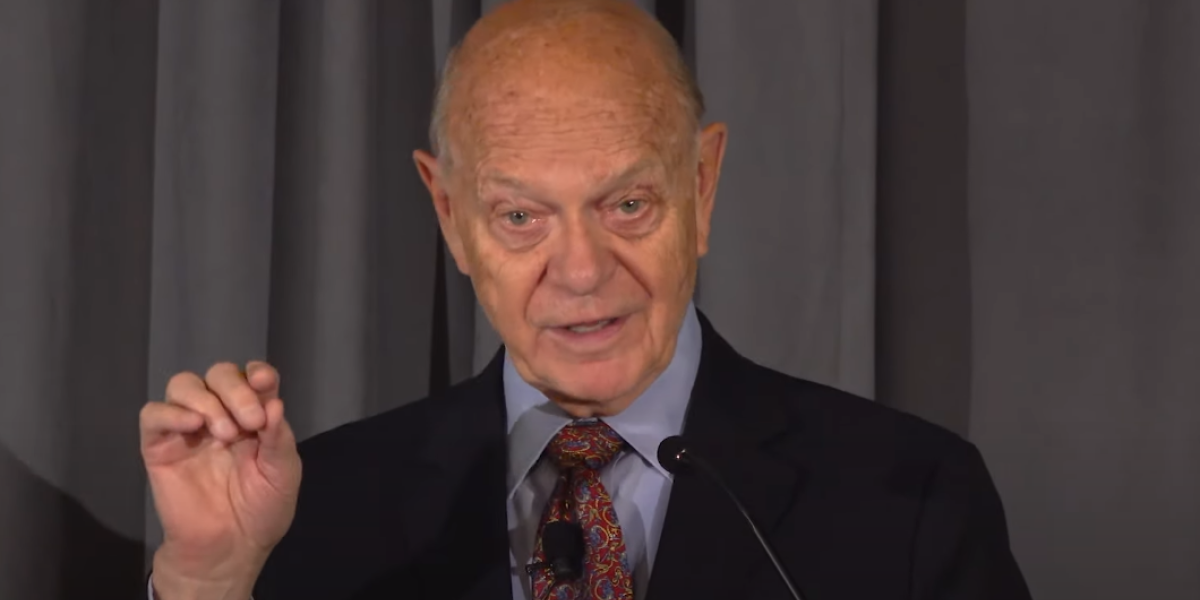
Interview: Alex Pollock on the Fed and Gold, Part I
Mises Institute· 2025-10-03 17:00
Core Insights - The discussion emphasizes the need for greater congressional oversight of the Federal Reserve, highlighting that the central bank's primary responsibility should be to provide a sound currency [6][10][12] - The historical context of the Federal Reserve's powers and its evolution since the 1935 Banking Act is explored, indicating a shift from a decentralized system to a more centralized authority [18] Federal Reserve Oversight - Pollock suggests that both the House Financial Services Committee and the Senate Banking Committee should have subcommittees dedicated solely to the Federal Reserve to enhance expertise and oversight [6][10] - The testimony presented to Congress received positive engagement, with members asking pertinent questions about the Fed's responsibilities [6] Historical Context - The conversation reflects on the historical role of Congress in overseeing the Fed, noting that it was once a priority for Democrats to monitor the central bank closely [14][18] - The 1935 Banking Act is identified as a pivotal moment that centralized power within the Federal Reserve, altering its operational structure significantly [18] Inflation and Taxation - Pollock argues that inflation acts as a hidden tax, diminishing purchasing power and transferring wealth from the public to the government, with the Fed playing a crucial role in this process [14][16] - The losses incurred by the Fed, amounting to $242 billion, are framed as a form of taxation without congressional authorization, impacting the Treasury's remittances [16]