Conscious parenting

Search documents
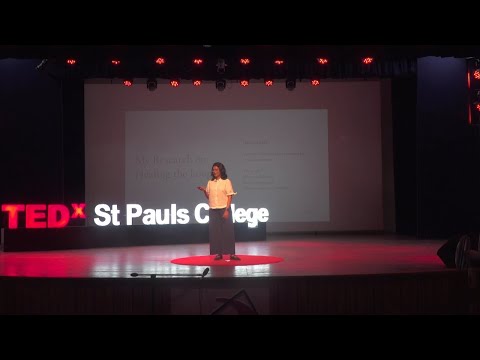
The Reparenting Revolution | Dr. Ashwini Govinda | TEDxSt Pauls College
TEDx Talks· 2025-09-10 16:38
Trauma & Healing - Trauma is not just the event itself, but what happens inside a person, stored somatically and leaving imprints neurologically, biologically, and genetically [7][8] - Adverse Childhood Experiences (ACEs) have a high impact on an individual's later life, potentially leading to diseases, disorders, and dysfunction [9][10] - Intergenerational trauma can be transmitted unless interrupted, but healing can also be passed on [11] - Trauma is not just violence or neglect, but the meaning the nervous system assigns to overwhelming experiences, often encoded when too young to name it [12][13] Reparenting & Conscious Parenting - Reparenting involves meeting the unmet needs of one's inner child, moving from survival mode (fight or flight) to thriving [20][21] - Reparenting is necessary, not optional, and involves offering oneself the presence and parenting deserved all along [22][25] - Intimate partners can trigger both wounds and healing [24] - Conscious parenting can change how we see our children and ourselves [26] - One does not have to be a biological parent to be a parent; one can be an influencer, role model, aunt, uncle, or neighbor to children [27] Healing Process - Healing is not personal but cultural, a messy process of peeling layers [30] - Healing is a continuous journey, not a destination; the word "healed" implies stagnation [31] - Breaking patterns occurs through awareness, which is what happens in reparenting [32]


The Reparenting Revolution | Dr. Ashwini Govinda | TEDxSt Pauls College
TEDx Talks· 2025-08-29 15:47
Core Argument - The presentation centers on the idea that trauma is not solely defined by the event itself, but by the meaning individuals ascribe to their experiences [6][8] - The speaker advocates for understanding and processing childhood experiences, emphasizing that unresolved emotional needs can impact future relationships and life choices [7] - The presentation highlights the importance of acknowledging and addressing one's inner child and past traumas to facilitate conscious parenting and personal healing [12][13] Research & Findings - Research indicates that individuals who initially expressed reluctance towards parenting, after intervention, showed a shift towards embracing parenthood [11] - The study suggests that individuals often operate in "survival mode," influenced by past experiences, and that integrating these experiences is crucial for personal growth [11] - The speaker's work involves understanding the impact of trauma on individuals and promoting a cautious approach to using the term "trauma" [10] Systemic Perspective - The presentation emphasizes the significance of family, social, and cultural systems in the context of trauma [9] - The speaker underscores the necessity of addressing one's inner child and past traumas, not as an option, but as a requirement for personal well-being [12] - The presentation encourages self-compassion and acceptance of one's present self, rather than dwelling on past experiences [17]