Consumer spending on experiences

Search documents
Katz: Consumers are spending more on experiences than things
CNBC Television· 2025-12-15 12:28
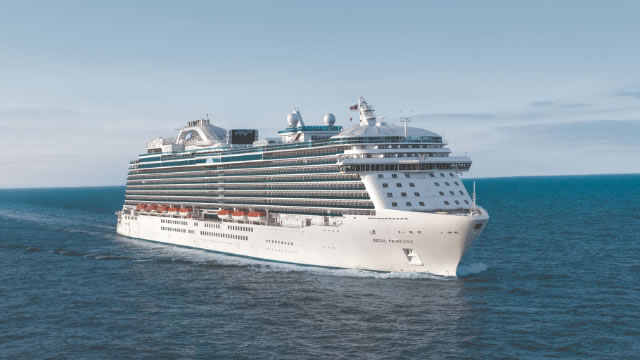
Travel Trends - Travel volume reached a record 122 million people, a 2% increase year-over-year [1] - Consumers are prioritizing spending on experiences over material goods, a trend expected to continue into 2026 [2] - While flights and driving saw a 2% increase, other travel forms like buses, trains, and cruises jumped over 9% [3] Cruise Industry Analysis - Cruise lines are perceived as a better value proposition due to their all-inclusive nature [3] - Cruises are on average 25% less expensive than land-based vacations [4] - Approximately one-third of cruise bookings come from first-time cruisers [4] - Cruise lines' investments in private islands in the Caribbean are a significant attraction [5] - Cruise penetration among total travel nights remains in the single digits, indicating growth potential [8] Economic Factors and Consumer Behavior - Consumers are trading up in value by choosing cruises over land-based vacations [7] - The economic recovery favors luxury travel, benefiting companies like Viking [8] - The main cruise customer base is the middle class, who are expected to benefit from future stimulus [9]


Carnival Cruises Ahead With Record Pricing And Strong 2026 Bookings
Benzinga· 2025-11-25 19:13
Core Viewpoint - Carnival Corporation's shares have increased due to investor optimism regarding strong holiday travel and consistent cruise demand, supported by positive commentary from J.P. Morgan's analyst Matthew Boss, who maintains an Overweight rating and a favorable outlook extending into 2026 [1][5]. Group 1: Demand and Bookings - CEO Josh Weinstein indicated that demand remains resilient as Carnival is "very well booked," with nearly 50% of next year's capacity already secured at historically high prices in North America and Europe [2]. - Bookings for 2026 are also high, driven by limited industry capacity growth and improved onboard revenue trends [2]. - Management observes a shift in consumer spending towards experiences rather than smaller discretionary purchases [2]. Group 2: Competitive Strategy - Carnival's Caribbean portfolio is highlighted as a competitive differentiator, providing more consumer choice and pricing flexibility [3]. - The company is confident in navigating regional competition without changing its strategic pricing plans [3]. - Key long-term growth drivers include RelaxAway and Celebration Key, which support pricing and enhance guest experience [3]. Group 3: Fleet Modernization - The AIDA fleet modernization program is outperforming internal return expectations with lower capital investment, with refurbished ships yielding strong financial results [4]. - Carnival plans to modernize six additional AIDA ships between 2026 and 2028 under this program [4]. Group 4: Financial Strategy - Management views balance sheet improvement as an opportunity to implement multiple shareholder return strategies, prioritizing leverage reduction, dividend reinstatement, and future share repurchases [5]. - Free cash flow is expected to support both dividends and buybacks over time [5].