Copying

Search documents
X @Tesla Owners Silicon Valley
Tesla Owners Silicon Valley· 2026-03-20 13:34
OMG guys listen up!!! 😱🔥It’s literally SO obvious nowww… you don’t even need to invent anything anymoreeee 🙈Just straight-up COPY PASTE Elon’s whole playbook and watch the views & money ROLL INNN 💀💰🚀🤡🥹🤨Elon Musk (@elonmusk):@BassonBrain It is getting to be a bit much ...
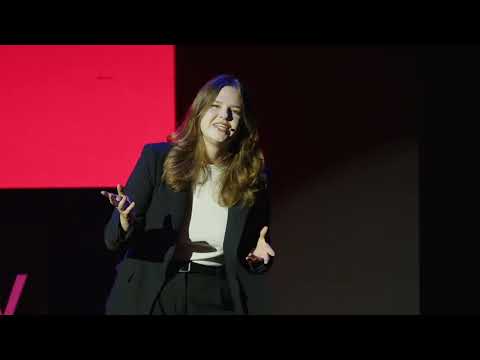
Ideas, ownership, and the price of creativity | Amelia Kubiak | TEDxUniversity of Lodz
TEDx Talks· 2025-11-11 16:57
Intellectual Property & Creativity - The creative industry emphasizes the evolving perception of copying versus inspiration, noting a shift from Renaissance-era respect for replication to modern concerns about intellectual property theft [1] - The industry acknowledges the paper-thin line between inspiration and copying, using the example of Kobe Bryant mirroring Michael Jordan's style to develop his own [1] - Legal systems worldwide grapple with defining the boundary between exploitation and inspiration, reflecting diverse cultural approaches to protecting intangible assets like intellectual property [1] - The industry highlights the global issue of counterfeiting and piracy, estimating the "industry" at nearly €100 billion (approximately 5% of EU imports) in 2021 [1] - The analysis points out that creative corporations sometimes fuel piracy through fragmented streaming services and strict subscriber policies, leading to consumer frustration [1][2] - The creative sector underscores the importance of protecting creativity, viewing it as a defining characteristic that separates humans from animals [7] Cultural & Historical Context - The report suggests that Poland's tragic history, marked by invasions and loss, has shaped its approach to intellectual property, prioritizing tangible survival over intangible rights [1] - Polish culture historically survived through shared cultural preservation, influencing a more collective view of intellectual property [1] - The analysis contrasts Poland's lack of UNESCO-recognized food heritage with the global recognition of Polish cuisine, highlighting a disconnect between official recognition and cultural impact [1] - The report mentions Poland's culture of "combinia" (improvisation) as a double-edged sword, fostering resourcefulness but also contributing to piracy and counterfeiting [1]