Data privacy

Search documents
Data Breach Alert: Edelson Lechtzin LLP Investigates Navia Benefit Solutions Data Breach Impacting Millions
Prnewswire· 2026-03-22 23:15
Core Insights - Edelson Lechtzin LLP is investigating data privacy claims related to a data breach at Navia Benefit Solutions, which was discovered on January 23, 2026, affecting its computer network [1][3] - The breach has impacted over 2.6 million individuals, with exposed personal data potentially including names, birth dates, Social Security numbers, phone numbers, email addresses, and health plan details [3] Company Overview - Navia Benefit Solutions is a nationwide administrator managing health and financial benefit programs for over 10,000 employers and more than 1 million participants, including Flexible Spending Accounts (FSAs), Health Savings Accounts (HSAs), commuter benefits, and education benefits [2] Incident Details - Unusual activity in Navia's network was identified around January 23, 2026, with unauthorized access occurring between December 22, 2025, and January 15, 2026 [3] - The investigation revealed that sensitive personal data was accessed and obtained by an unauthorized party [3] Legal Implications - Edelson Lechtzin LLP is pursuing a class action lawsuit to seek legal remedies for individuals whose sensitive personal data may have been compromised in the breach [5] - The firm offers free evaluations to assess rights and potential claims for affected individuals [5]


California Weighs Crackdown on Social Media for Kids Under 16
Insurance Journal· 2026-03-19 05:00
The home of the world’s highest-flying social media companies is considering a measure to clip their wings.A bipartisan bill in California would establish a minimum age requirement for social media accounts, curtailing the access of minors to platforms such as TikTok, Alphabet Inc.’s YouTube and Meta Platforms Inc.’s Instagram. The bill’s author, Assemblymember Josh Lowenthal, says he’s looking to bar anyone under 16. The proposed rules — which would rank among the toughest in the world — are setting up a c ...

Cambridge Analytica whistleblower Brittany Kaiser: Here's the biggest danger with AI
Yahoo Finance· 2026-03-16 20:18
Listen and subscribe to Opening Bid Unfiltered on Apple Podcasts, Amazon Music, Spotify, YouTube, or wherever you find your favorite podcasts. With rapid AI innovation comes big dangers — such as unparalleled access of AI agents to our personal data. "I think one of the biggest dangers is that AI has access to all of our most sensitive information, and now people are giving permissions and access for these AI agents to get access to literally everything," AlphaTON Capital CEO Brittany Kaiser said on Yahoo ...
Allstate ordered to face privacy lawsuit alleging drivers were tracked through cellphones
New York Post· 2026-03-04 17:45
Core Viewpoint - Allstate is facing a privacy lawsuit for allegedly tracking drivers through their cellphones without consent, using the data to adjust premiums or deny coverage, and selling the data to other insurers [1][5]. Group 1: Legal Proceedings - A US District Judge allowed drivers in a proposed class action to attempt to prove that Allstate violated the Federal Wiretap Act by monitoring various driving metrics and attempting to monetize that data [2][8]. - The lawsuit includes claims that Allstate's data analytics unit, Arity, violated the Fair Credit Reporting Act by inaccurately reporting driving behavior, including instances when individuals were passengers [3][5]. - The litigation consolidates 15 private lawsuits against Allstate, with Texas filing a similar lawsuit in January 2025 [7]. Group 2: Technology and Data Usage - Allstate, along with other insurers like Progressive and Geico, utilizes telematics to monitor driver habits, claiming it rewards good driving with lower premiums [6]. - The tracking software from Arity is integrated into various apps, including Fuel Rewards, GasBuddy, Life360, and Allstate-owned Routely [5]. Group 3: Company Defense - Allstate contends that drivers have not proven that their data was actually captured or that their insurance rates increased as a result [6]. - The company asserts that its privacy policies disclosed the potential for data collection [6].


X @Cointelegraph
Cointelegraph· 2026-03-04 10:03
RT Cointelegraph (@Cointelegraph)⚠️2025 saw an epidemic of wrench attacks in France. What's worse, it's still happening; at least 11 this year already. This is a wake-up call for data privacy.Today on Chain Reaction, @rkbaggs was joined by @DecentraSuze to discuss her article for @Forbes 👇#CHAINREACTION https://t.co/QlzBZlLulg ...
X @Cointelegraph
Cointelegraph· 2026-03-03 22:55
⚠️2025 saw an epidemic of wrench attacks in France. What's worse, it's still happening; at least 11 this year already. This is a wake-up call for data privacy.Today on Chain Reaction, @rkbaggs was joined by @DecentraSuze to discuss her article for @Forbes 👇#CHAINREACTION https://t.co/QlzBZlLulg ...
Italy watchdog bans Amazon logistics unit from using staff personal data
Yahoo Finance· 2026-02-24 17:37
By Elvira Pollina MILAN, Feb 24 (Reuters) - Italy's privacy watchdog on Tuesday ordered a local unit of e-commerce giant Amazon to stop using the personal information of more than 1,800 employees at a warehouse north-east of Rome. The unit, Amazon Italia Logistica, must also stop processing any data collected through four video-surveillance cameras installed near bathrooms and break areas of the Passo Corese facility, the authority said in a statement. "We are examining with the utmost attention ...

Italy watchdog bans Amazon unit from using staff personal data
Reuters· 2026-02-24 17:37
Skip to main contentExclusive news, data and analytics for financial market professionalsLearn more aboutRefinitivItaly watchdog bans Amazon unit from using staff personal dataFebruary 24, 20265:37 PM UTCUpdated agoBy ReutersCompaniesAmazon.com IncMILAN, Feb 24 (Reuters) - Italy's privacy authority said on Tuesday it had banned Amazon Italia Logistica from processing personal information of 1,800 workers at its Passo Corese logistics centre, near Rome.Amazon Italia Logistica must also halt the processing of ...
DATA BREACH INVESTIGATION: Choice Hotels International, Inc. Franchisees and Customers Who Have Received a Notice of Data Breach Are Encouraged to Contact Edelson Lechtzin LLP
Globenewswire· 2026-02-20 21:02
Core Insights - Choice Hotels International, Inc. experienced a data breach on or around January 14, 2026, where a hacker bypassed security measures to access sensitive franchisee and applicant data [3]. Company Overview - Choice Hotels is a major global hotel franchisor based in North Bethesda, Maryland [2]. Incident Details - The breach involved deceptive methods to circumvent multifactor authentication, leading to unauthorized access to a system containing personal information, including names and Social Security numbers [3]. - After detecting the breach, Choice Hotels restricted further access and initiated an investigation, confirming that certain files had been compromised [3]. Legal Actions - Edelson Lechtzin LLP is investigating potential class action lawsuits for individuals whose sensitive personal data may have been compromised due to the breach [4].

India’s New Inflation Basket Explains India’s New Consumers
Bloomberg Television· 2026-02-13 10:12
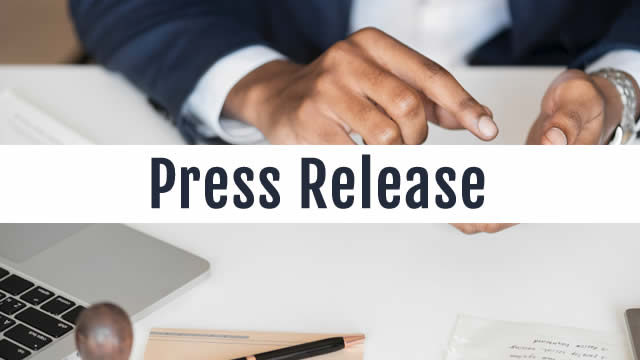
Monica, let's just start with that headline number, Inflation appearing to be under control. What are the implications here for the RBI and fiscal plans as well. Good morning, Paula.Well, the implications are that the RBI is expected to remain on hold for an extended period of time. That number, as you pointed out, came in at 2.75%, close to the consensus number of 2.77%. As for the Bloomberg analysts and economists, Paul, and like I said, you know, despite the fact that it is well within the targeted range ...