
Dividend income

Search documents
High Market Uncertainty: I Am Sleeping Well With Dividend Income
Seeking Alpha· 2026-03-27 12:30
Group 1 - The visual art of movies has significantly evolved since the late 19th century, designed to engage audiences in unfolding stories [1] - Rida Morwa, with over 35 years of experience, leads the Investing Group High Dividend Opportunities, focusing on sustainable income through high-yield investments with a targeted safe yield of over 9% [1] - The service includes a model portfolio with buy/sell alerts, preferred and baby bond portfolios for conservative investors, and regular market updates [1] Group 2 - The article emphasizes the importance of community and education in investment strategies, advocating that no one should invest alone [1]


Here's How Many Shares of AbbVie (ABBV) Stock You'd Need for $10,000 in Yearly Dividends
The Motley Fool· 2026-03-27 09:46
Core Viewpoint - Seeking dividend income from investments is a smart strategy, and AbbVie is highlighted as a solid dividend-paying stock with a yield significantly above the S&P 500 average [1] Group 1: Dividend Information - AbbVie's last quarterly dividend payment was $1.73 per share, leading to an annual run rate of $6.92 per share [2] - To achieve $10,000 in annual dividend income, an investor would need to purchase 1,445 shares of AbbVie, costing approximately $296,225 at a recent stock price of $205 per share [2] - AbbVie has increased its dividend payout by more than 330% since its spin-off in 2013 and has a history of annual increases for over 25 years when combined with Abbott Labs [4] Group 2: Financial Performance - AbbVie has a market capitalization of $373 billion and a recent stock price range between $205.83 and $211.42 [3][4] - The stock has averaged annual gains of 16.2% over the past decade, with a recent revenue increase of 8.6% despite losing patent protection for its major drug, Humira [5] - AbbVie's forward-looking price-to-earnings (P/E) ratio is 14, slightly above its five-year average of 13, indicating reasonable pricing [5]

What Do You Need To Invest To Replace Your $95k Salary Just On Dividends Alone?
Yahoo Finance· 2026-03-17 12:45
Investment Opportunities - The iShares 20+ Year Treasury Bond ETF (TLT) offers a current yield of approximately 4.3% with a low expense ratio of 0.15%, making it an attractive option for long-term investors seeking stable returns over a two to three-decade horizon [1][2] - To generate an annual income of $95,000, an investment of roughly $2.1 million in TLT is required, which is more feasible for investors with substantial liquid or illiquid assets [1][6] Risk and Stability - Long-duration Treasury bonds, such as those in TLT, provide significant portfolio stability during economic downturns, although they carry higher interest rate risk [2] - While TLT requires less capital to achieve the same income compared to dividend stocks, it is important to note that stocks may offer greater upside potential in the long run [6][13] Comparison with Dividend ETFs - The Vanguard High Dividend Yield ETF (VYM) requires a larger investment of about $3.8 million at a yield of 2.3% to generate the same $95,000 annual income, highlighting the capital-intensive nature of dividend stocks [6][9] - VYM has shown considerable five-year returns exceeding 13%, but investors may need to wait for significant time to benefit from dividend growth, which averages around 5% per year [10][11] Wealth Building Strategies - A suggested strategy for building wealth includes starting with an initial investment of $500,000 and adding $20,000 annually at a 7% return to reach approximately $2.5 million in about two decades [14] - The analysis indicates that bonds require less capital than stocks for similar income generation, but taxes on qualified dividends and long-term Treasuries can influence net income positively [13]
PTY Has Struggled, But The Income Is Compelling And It Can Rebound
Seeking Alpha· 2026-03-08 12:30
Core Viewpoint - The article emphasizes a personal investment strategy focused on growth and dividend income, aiming for an easy retirement through a portfolio designed for compounding dividend income and growth [1]. Group 1: Investment Strategy - The strategy involves creating a portfolio that generates monthly dividend income, which is enhanced through dividend reinvestment and annual increases [1]. Group 2: Personal Position - The author has a beneficial long position in the shares of PTY, indicating a vested interest in the performance of this stock [1].

2 Reasons Why I Can't Stop Buying the Schwab U.S. Dividend Equity ETF
The Motley Fool· 2026-03-01 10:08
Core Viewpoint - The Schwab U.S. Dividend Equity ETF (SCHD) is a strong investment option due to its high dividend yield and consistent total returns, making it attractive for generating passive income and achieving financial freedom [1]. Group 1: Dividend Income - The ETF provides a 3.5% dividend yield, significantly higher than the S&P 500's yield of approximately 1.1%, allowing for greater passive income generation [6]. - The fund's holdings have increased their dividends by over 8% annually over the past five years, contributing to a steady rise in income distributions for investors [7]. - The strategy of investing in high-yielding dividend stocks aligns with the goal of generating a reliable stream of dividend income [4][9]. Group 2: Total Returns - Since its inception in October 2011, the ETF has delivered an average annual return of 12.9%, with over 10% annualized returns in the past five and ten years [10]. - The fund's focus on companies that grow their dividends has historically outperformed other categories, such as companies with no dividend changes and dividend cutters [11]. - Sustainable earnings growth is a key factor driving both dividend increases and stock price appreciation, supporting the ETF's value [12]. Group 3: Investment Strategy - The ETF's strategy of investing in 100 high-yielding dividend growth stocks aligns with the need for a steadily rising income stream and strong total returns [13]. - This approach is seen as a "wealth-compounding machine," enabling faster achievement of financial goals [13].

3 High-Yield Pipeline Stocks to Buy Now and Hold Forever
The Motley Fool· 2026-02-21 14:07
Core Insights - Pipeline companies are ideal long-term investments due to their stable cash flows from long-term contracts and growing energy demand [1][16] Group 1: Enbridge - Enbridge is a leading North American energy infrastructure company, transporting 30% of North America's crude oil and 20% of the natural gas consumed in the U.S. [4] - The company has a low-risk business model, with over 90% of earnings from regulated rate structures or take-or-pay contracts, allowing for stable cash flows [5] - Enbridge has a current dividend yield of 5.6% and has increased its dividend for 31 consecutive years, with expected cash flow growth of 3% per share this year and around 5% annually beyond 2026 [7][5] Group 2: Kinder Morgan - Kinder Morgan operates the largest U.S. gas transmission network, transporting 40% of the country's production [8] - The company has locked in 70% of its annual cash flows from take-or-pay contracts and hedging agreements, with a current dividend yield of 3.6% [10][11] - Kinder Morgan has $10 billion in commercially secured expansion projects expected to complete through 2030, enhancing its growth visibility [11] Group 3: Williams - Williams is a leading gas infrastructure company, handling a third of the gas produced in the U.S., positioning it well for a projected 35% surge in gas demand over the next decade [12] - The company is investing $15.5 billion into growth capital projects through 2033, including $7 billion into gas-fired power innovation projects [14] - Williams has paid dividends for over 50 consecutive years, with a current yield of 2.9% and an expected earnings growth rate of over 10% annually through 2030 [15]


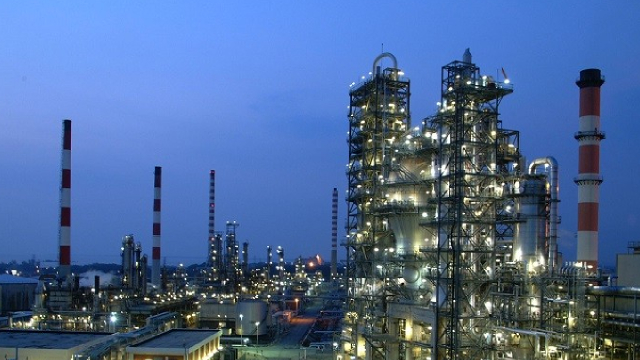
NML: This Fund Is Worth Considering Given Current Energy Sector Trends
Seeking Alpha· 2026-02-10 13:31
Group 1 - The core objective of the investment strategy is to generate a 7%+ income yield by investing in a portfolio of energy stocks while minimizing the risk of principal loss [1] - The focus is on both traditional and renewable energy sectors, targeting international companies that have a competitive advantage and offer strong dividend yields [1] - The investment group, Energy Profits in Dividends, emphasizes income generation through energy stocks and closed-end funds (CEFs), while also managing risk through options [1] Group 2 - The article was originally published to Energy Profits in Dividends after the market close on February 9, 2026, allowing subscribers to act on the information prior to public release [3]



Retirees Are Prioritizing Dividend Income Over Portfolio Size in 2026
Yahoo Finance· 2026-02-07 12:49
Core Perspective - A significant shift is occurring in retirement planning, moving from a focus on total portfolio value to the income generated by the portfolio [3][5] Group 1: Shift in Retirement Planning - Retirees are increasingly asking "How much does it pay me?" instead of "How much do I have?" [3] - This change is seen as transformative, addressing the psychological challenges associated with fluctuating portfolio values [3][4] Group 2: Impact of Market Conditions - The market turbulence of 2022 prompted this shift, as retirees experienced simultaneous declines in both stocks and bonds, challenging previous assumptions about portfolio stability [5] - Many retirees found themselves without appreciated assets to sell for income, as both asset classes were down [5] Group 3: Benefits of Dividend Income - Dividend income has proven to be more stable, with companies maintaining dividend payments even during market downturns [6] - A retiree with a $1 million portfolio of dividend-paying stocks could continue to receive $40,000 annually, regardless of portfolio value fluctuations [6] - This income-focused approach mitigates sequence risk by avoiding forced sales during downturns and allows full participation in market recoveries [7] Group 4: Long-term Growth Potential - Dividend growth can potentially double portfolio yield from 3% to 6% or more over a decade without the need to sell shares [7] - Investors are reconsidering passive investment strategies and are motivated to actively seek income generation [7]
Enbridge: The 6% Dividend Yield Is Still Very Attractive
Seeking Alpha· 2026-02-04 13:45
Core Viewpoint - The article emphasizes a personal investment strategy focused on growth and dividend income, aiming for an easy retirement through a portfolio designed for compounding dividend income and growth [1]. Group 1: Investment Strategy - The strategy involves creating a portfolio that generates monthly dividend income, which is enhanced through dividend reinvestment and annual increases [1]. - The author expresses a beneficial long position in the shares of ENB, indicating a personal investment in the company [1]. Group 2: Personal Opinion and Disclosure - The article is presented as a personal opinion and not as professional investment advice, highlighting that it is meant for research and educational purposes [2]. - It clarifies that past performance does not guarantee future results, and the views expressed may not reflect those of Seeking Alpha as a whole [3].

Pacer’s Dividend Multiplier ETF Cleverly Magnifies Yield To Pay Monthly Income
Yahoo Finance· 2026-02-02 13:56
Core Insights - The Pacer Metaurus US Large Cap Dividend Multiplier 400 ETF (QDPL) employs a unique strategy by using S&P 500 dividend futures to enhance income generation rather than relying solely on dividends from stock holdings [2][3] - The fund transitioned to monthly distributions in August 2025, increasing total annual payouts to $2.36, which aligns with investor preferences for consistent cash flow [4][5] Distribution Strategy - The shift from quarterly payments of $0.52 to monthly distributions reflects a structural change driven by investor feedback, aiming to provide more regular cash flow [4][5] - The variability in monthly distribution amounts is influenced by market conditions and futures pricing, indicating a reliance on derivatives rather than stable dividends from individual companies [5][6] Total Return Profile - The fund's total return combines price appreciation to $43.26 and an estimated yield of 5.5%, showcasing a dual return profile that justifies the complexity of the futures-based strategy [6] - Investors should be aware that monthly distribution amounts may fluctuate based on market conditions [6] Portfolio Composition - QDPL's largest holdings, including NVIDIA, Apple, and Microsoft, account for 17% of assets but provide minimal dividends relative to their valuations, necessitating a greater reliance on derivatives to meet income targets [7][8]