Drug pricing reform

Search documents
With Two Companies Dictating Everything, IHE Is Riskier Than Most Investors Realize
Yahoo Finance· 2026-03-24 14:07
Core Insights - The iShares U.S. Pharmaceuticals ETF (IHE) has a significant concentration in two companies, Johnson & Johnson (JNJ) and Eli Lilly (LLY), which together account for approximately 46.8% of the fund's total assets [2][4][8] - JNJ has performed well with a year-to-date increase of about 14%, driven by strong sales from DARZALEX and TREMFYA, while LLY has seen a decline of 15% despite high revenue from Mounjaro [6][8] - The ETF's overall performance is flat year-to-date, down 0.5%, reflecting the contrasting fortunes of its two largest holdings amid regulatory pressures [8] Company Performance - Johnson & Johnson's revenue from DARZALEX reached $3.90 billion, up 26.6% year-over-year, and TREMFYA generated $1.59 billion, up 67.6% [6] - However, JNJ faces challenges such as a 47.7% revenue decline for STELARA due to biosimilar competition and $854 million in litigation charges [6] - Eli Lilly's Mounjaro achieved $7.41 billion in revenue for Q4 2025, but the company is experiencing a 15% decline in stock price year-to-date [8] Regulatory Environment - The pharmaceutical industry is facing significant regulatory challenges, including proposed drug pricing reforms from the Trump administration that may compress revenues across the sector in 2026 [5][8] - The scrutiny from HHS Secretary Robert F. Kennedy Jr. on the GLP-1 category adds to the structural headwinds affecting both JNJ and LLY [8]


AbbVie Inc. (ABBV): Billionaire Ken Fisher Admires This Pharma Stock
Yahoo Finance· 2026-03-17 20:18
Group 1 - AbbVie Inc. (NYSE:ABBV) is a significant part of Ken Fisher's investment strategy, with a notable increase in shares by 128% in the last quarter of 2025, bringing the total to approximately 630,000 shares [1][3] - Fisher's long-term view on pharmaceutical stocks, including AbbVie, is influenced by the belief that political gridlock in the US limits the government's ability to impose broad drug pricing reforms, thus reducing long-term risks for these companies [2][3] - AbbVie is a research-based biopharmaceutical company involved in the research, development, manufacturing, commercialization, and sale of medicines and therapies globally [4] Group 2 - The investment community acknowledges AbbVie’s potential, but some analysts suggest that certain AI stocks may offer greater upside potential with less downside risk [5]

Exclusive-Cigna settles FTC insulin case, commits to overhauling drug pricing
Yahoo Finance· 2026-02-04 16:37
Core Insights - Cigna Corp's Express Scripts has settled claims from the U.S. Federal Trade Commission regarding antitrust violations in insulin pricing practices, agreeing to changes that aim to reduce costs for patients, insurers, and small pharmacies [1][2] Group 1: Settlement Details - The settlement aligns with the Trump administration's efforts to lower drug costs and allows the FTC to reduce a case initiated by the Biden administration against Express Scripts, UnitedHealth Group's Optum, and CVS Health's Caremark, with ongoing cases against Optum and Caremark [2] - The 10-year agreement restricts Express Scripts from engaging in practices that contribute to high costs, such as retaining rebate payments from drugmakers based on list prices, potentially saving patients up to $7 billion over the decade [4] - Express Scripts is now legally bound to comply with the settlement terms and will be monitored for three years [4] Group 2: Industry Context - Pharmacy benefit managers have faced scrutiny for pricing practices, with the FTC accusing them of directing patients and insurers towards higher-priced drugs to maximize profits [5] - The settlement requires Express Scripts to collaborate with local pharmacies and disclose drug costs to employers annually [5] - Cigna's insurance business primarily manages plans for employers, and the settlement mandates that direct-to-consumer drug purchases through the planned TrumpRX platform count towards copays and deductibles in standard employer plans [6] Group 3: Industry Trends - In recent years, CVS, UnitedHealth, and Cigna have introduced new pricing models aimed at increasing transparency regarding discounts, fees, and drug costs, shifting revenue models towards administrative fees rather than hidden reimbursements from drugmakers [7]

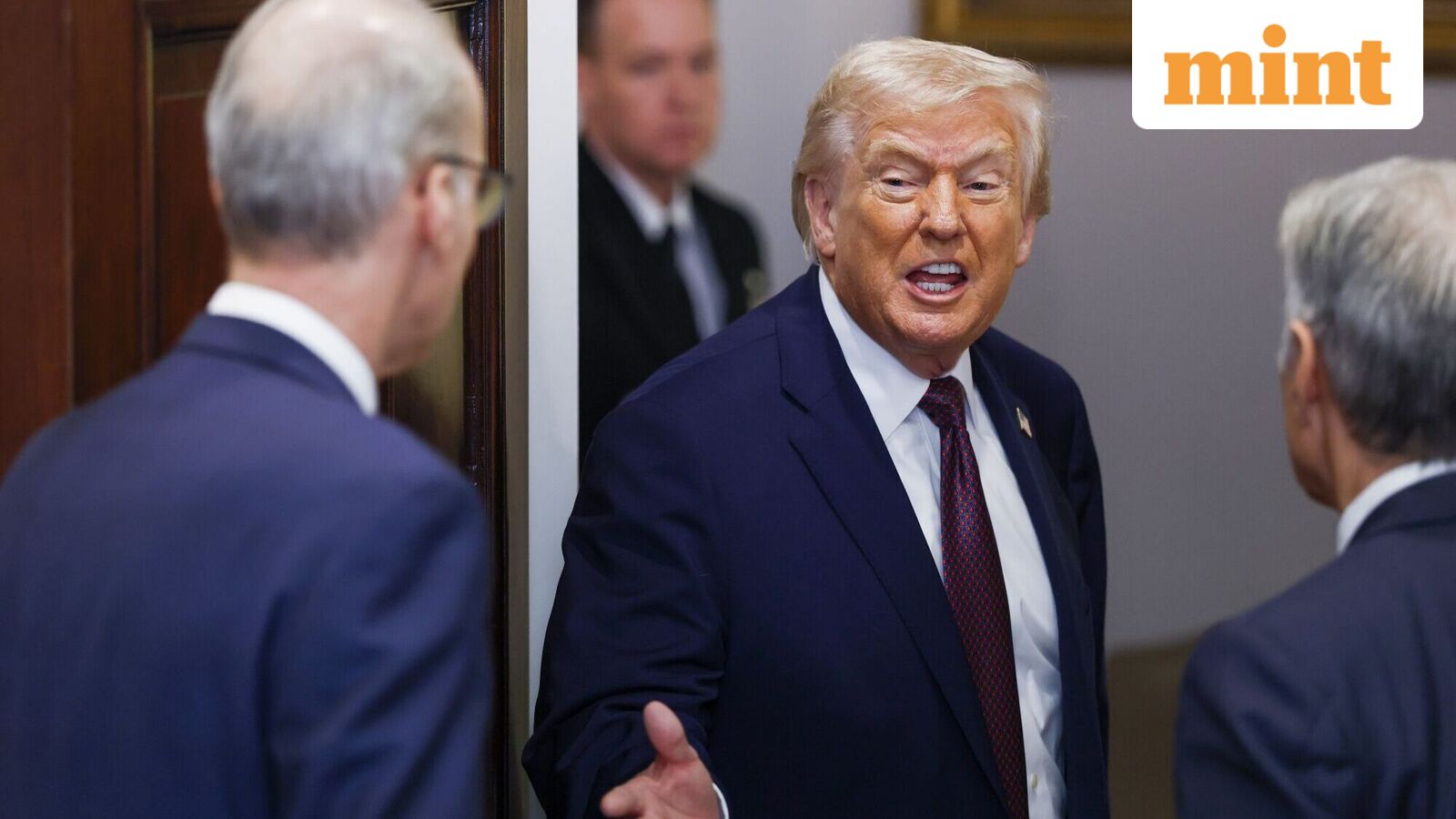
Trump unveils major drug price deals with 9 Pharma giants, launches TrumpRx.gov to cut medicine costs in US
MINT· 2025-12-19 23:46
Core Insights - President Trump announced a set of drug-pricing agreements with nine major pharmaceutical companies, aiming to align U.S. medicine costs with those in Europe [1][2] - The initiative includes a new direct-to-consumer portal, TrumpRx.gov, allowing patients to purchase certain medicines directly from manufacturers [2][4] Group 1: Agreements and Participants - The agreements involve 14 out of 17 drugmakers that Trump previously urged to lower prices, including Amgen, GSK, and Merck [2][3] - Drug companies are motivated to negotiate to avoid potential regulatory measures that could impact their profits [3] Group 2: TrumpRx.gov Functionality - TrumpRx.gov will serve as a central directory for patients to access selected medicines directly from manufacturers' websites [4] - The portal is expected to be fully operational by January, following a promotional launch [4] Group 3: Pricing Details - Highlighted medicines include Amgen's Repatha at $239/month, GSK's Advair Diskus at $89/month, and Merck's Januvia at $100/month [6] - Gilead's Epclusa will be priced at $2,492/month, despite lower costs for insured patients [6] Group 4: Impact on Medicaid and Medicare - Companies committed to launching new medicines in the U.S. at prices comparable to those in other wealthy countries [8] - Medicaid programs are legally entitled to the lowest drug prices, with Bristol Myers Squibb offering Eliquis free to Medicaid [9] Group 5: Industry Response and Future Outlook - Health policy experts express skepticism about the agreements' impact on overall drug prices for most Americans [10] - The agreements do not impose mandatory price controls and leave many brand-name drug costs unchanged [15] - Ongoing discussions with additional manufacturers like AbbVie and Johnson & Johnson may lead to further agreements [14]