EV Strategy Shift

Search documents
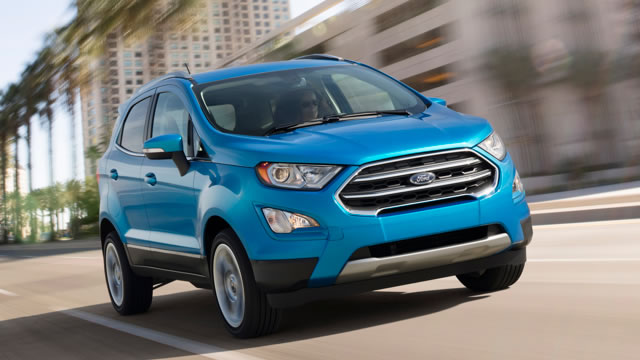
Ford cuts electric F-150 Lightning production, takes $19.5B charge in strategic shift
Fox Business· 2025-12-16 19:40
Core Viewpoint - Ford is cutting production of the electric F-150 Lightning and shifting its investment focus towards hybrid vehicles and affordable EVs, taking a $19.5 billion charge on its EV assets and product roadmap [1][2]. Group 1: Production and Financial Impact - The decision will result in approximately $5.5 billion in cash effects, primarily occurring in 2026 and 2027 [1]. - Ford plans to end production of the current generation F-150 Lightning this year and transition to a next-generation model with an extended-range electric vehicle architecture (EREV), expected to add 700 miles or more [10]. Group 2: Strategic Shift - The company aims to invest in higher-margin areas, including more American-built trucks, vans, hybrids, and affordable EVs produced in Kentucky [3]. - Ford's CEO emphasized the rising demand for hybrids, which now constitute 30% of their vehicle mix, and the need to respond to consumer preferences by reallocating capital [6][7]. Group 3: Future Projections - By 2030, Ford anticipates that about 50% of its global volume will consist of hybrids, extended-range EVs, and fully electric vehicles, up from 17% in 2025 [11].


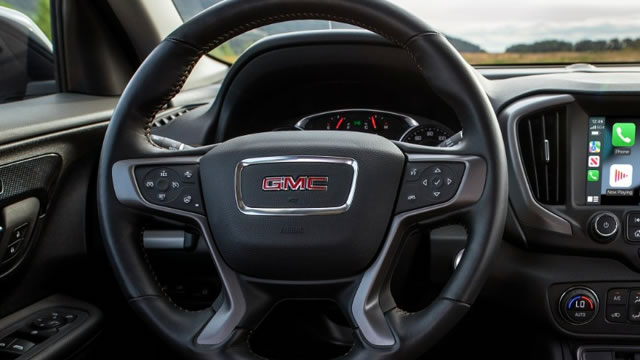
GM is taking a $1.6 billion hit after rolling back its EV plans
Business Insider· 2025-10-14 12:12
Core Viewpoint - GM is facing significant financial impacts due to a shift in its electric vehicle (EV) strategy, resulting in $1.6 billion in charges as it anticipates a slowdown in EV demand [1][2]. Group 1: Financial Impact - GM announced it will incur $1.6 billion in charges related to adjustments in its EV strategy, with $1.2 billion attributed to changes in EV capacity and $400 million in cancellation fees and settlements [3]. - The company's share price fell nearly 2% in premarket trading following the announcement of these charges [3]. Group 2: Strategic Shift - Initially, GM aimed to become electric-only by 2035, but is now rolling back its EV plans to invest more in hybrids and gas-powered vehicles due to changing market conditions [1][2]. - The adoption rate of electric vehicles in the US is expected to slow, influenced by the removal of the $7,500 tax credit and relaxed clean air regulations under the Trump administration [2]. Group 3: Industry Context - Other automakers, including Honda, Jeep, and Ram, have also revised their EV strategies, reflecting a broader trend in the industry as support for electric vehicles diminishes [8]. - Ford, a competitor to GM, has lost substantial amounts on its EV operations but is focusing on affordable electric vehicles, indicating a contrasting approach within the industry [9][10].