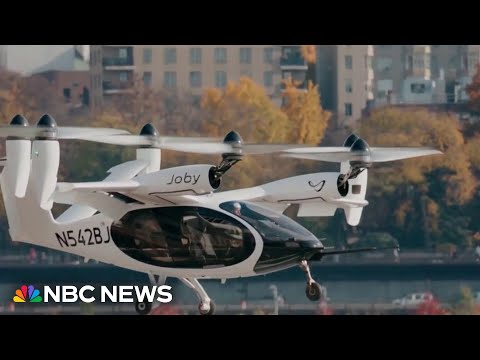
Electric Aircraft

Search documents
Surf Air Mobility (SRFM) - 2025 Q4 - Earnings Call Transcript
2026-03-12 22:02
Financial Data and Key Metrics Changes - In 2025, the company achieved full-year profitability in airline operations, defined as positive Adjusted EBITDA, marking a significant operational improvement [20][25] - Full-year revenue for 2025 was $106.6 million, an 11% decrease compared to 2024, driven by a 15% decrease in scheduled service revenue, partially offset by a 3% increase in on-demand charter revenue [23][24] - The Adjusted EBITDA loss for 2025 was $41.7 million, a 5% improvement over the previous year's loss of $44.1 million [25] Business Line Data and Key Metrics Changes - The airline operations achieved profitability for the full year of 2025, with controllable completion factors improving to 98% in Q4 2025 from 89% in Q4 2024 [25][26] - The on-demand charter business saw revenue increase and improved flight margins year-over-year, driven by better sourcing discipline and a shift to longer-haul trips with larger aircraft [9][20] - In Q4 2025, on-demand charter revenue increased by 36% year-over-year, while scheduled service revenue decreased by 19% [23][24] Market Data and Key Metrics Changes - The company is focusing on the Hawaii market as a strategic anchor for demonstrating electric aircraft technologies, committing over $22 million to enhance infrastructure and operations [13][14] - The partnership with BETA Technologies aims to introduce electric aircraft into service, with plans for cargo operations starting in 2026 [14][16] Company Strategy and Development Direction - The company is transitioning from an airline-first model to a platform-centric business, emphasizing the integration of electric aircraft and AI-enabled software [30][31] - The strategic partnership with BETA Technologies is expected to enhance operational efficiencies and profitability through the introduction of electric aircraft [14][16] - The company plans to commercialize its SurfOS technology in 2026, targeting enterprise clients and expanding its software offerings [11][28] Management's Comments on Operating Environment and Future Outlook - Management expressed confidence in the company's position to lead the next structural transformation in aviation, with a focus on partnerships and electric aircraft collaborations [18][30] - The outlook for 2026 includes anticipated revenue growth of 20%-30% year-over-year, driven by the on-demand charter business and the rollout of SurfOS [28][29] Other Important Information - The company raised over $100 million in equity in 2025 to reduce overall cost of capital and lower net debt, which decreased by 47% to $74 million [4][22] - The company has secured a strategic partnership with BETA Technologies to be the first operator to launch commercial electric aircraft passenger flights in Hawaii [14][16] Q&A Session Summary Question: Clarification on SurfOS spending and commercialization - Management clarified that SurfOS remains a significant investment priority, with a focus on developing BrokerOS and targeting enterprise clients for customized solutions [34][36] Question: Timeline for BETA aircraft integration - Management indicated that the CTOL variant of BETA aircraft will be prioritized for certification and commercial service, with plans for cargo operations in 2026 [37][38] Question: Improvement in economics from BETA aircraft - Management anticipates a 30% reduction in operating costs due to lower fuel and maintenance expenses with the new electric aircraft [39][41] Question: Balance sheet outlook at the end of 2026 - Management noted that significant investments will be made in 2026, but they expect to refine the balance sheet over time to support growth [42][43] Question: Airline operations and future profitability - Management highlighted the importance of technology and electric aircraft adoption for improving profitability in airline operations [46][48] Question: Growth of on-demand charter segment - Management confirmed that the on-demand charter business is the fastest-growing segment, contributing significantly to raised revenue guidance [70][71]

Surf Air Mobility (SRFM) - 2025 Q4 - Earnings Call Transcript
2026-03-12 22:02
Financial Data and Key Metrics Changes - In 2025, the company achieved full-year profitability in airline operations, defined as positive Adjusted EBITDA, marking a significant operational improvement [20][25] - Full-year revenue for 2025 was $106.6 million, an 11% decrease compared to 2024, driven by a 15% decrease in scheduled service revenue, partially offset by a 3% increase in on-demand charter revenue [23][24] - The Adjusted EBITDA loss for 2025 was $41.7 million, a 5% improvement over the previous year's loss of $44.1 million [25] Business Line Data and Key Metrics Changes - The airline operations achieved profitability with positive Adjusted EBITDA for the full year of 2025, reflecting operational improvements and cost efficiency [20][25] - The on-demand charter business saw revenue increase and improved flight margins year-over-year, driven by better sourcing discipline and a shift to longer-haul trips with larger aircraft [9][20] - In the fourth quarter of 2025, on-demand charter revenue increased by 36% year-over-year, while scheduled service revenue decreased by 19% [23][24] Market Data and Key Metrics Changes - The company is focusing on the Hawaii market as a strategic anchor for demonstrating electric aircraft technologies, committing over $22 million to enhance infrastructure and operations [13][16] - The partnership with BETA Technologies is expected to facilitate the introduction of electric aircraft into the company's operations, with plans for cargo services to begin in 2026 [14][38] Company Strategy and Development Direction - The company is transitioning from an airline-first model to a platform-centric business, aiming to integrate various stakeholders in the aviation ecosystem [30][31] - The SurfOS software is positioned as a sustainable competitive advantage, with plans for commercialization in 2026 [11][31] - The company anticipates a 20%-30% increase in revenue for 2026, driven by partnerships, electric aircraft collaborations, and the rollout of SurfOS technology [18][28] Management's Comments on Operating Environment and Future Outlook - Management highlighted the aviation industry's structural inflection point due to the convergence of electrified aircraft and AI-enabled software, which will reshape operational requirements and economics [6][30] - The outlook for 2026 includes a focus on partnerships, electric aircraft collaborations, and the integration of SurfOS technology, with expectations for improved profitability and revenue growth [18][28] Other Important Information - The company raised over $100 million in equity in 2025 to reduce overall cost of capital and lower net debt, which decreased by 47% from $139 million to $74 million [4][22] - The company has secured a strategic partnership with BETA Technologies to be the first operator to launch commercial electric aircraft passenger flights in Hawaii [14][16] Q&A Session Summary Question: Clarification on SurfOS spending and commercialization - Management explained that SurfOS remains a significant investment priority, with a focus on developing BrokerOS and targeting enterprise clients for customized solutions [34][36] Question: Timeline for BETA aircraft integration - Management indicated that the CTOL variant of BETA aircraft will be prioritized for certification and commercial service, with plans for cargo operations in 2026 [37][38] Question: Improvement in economics from BETA aircraft - Management anticipates a 30% reduction in operating costs due to lower fuel and maintenance requirements of the BETA electric aircraft compared to legacy aircraft [39][41] Question: Balance sheet outlook at the end of 2026 - Management noted that while significant investments are planned, they expect to refine the balance sheet and generate significant ROI from these investments [42][43] Question: Future geographic expansion plans - Management refrained from disclosing specific geographic targets but emphasized the ability to adopt electric aircraft into existing networks efficiently [49][50] Question: Early signs of adoption for Powered by Surf On Demand - Management reported a positive uptick in interest and applications for the Powered by Surf On Demand program, contributing to the raised revenue guidance for 2026 [52][53] Question: Revenue generation from BrokerOS and SurfOS - Management confirmed that revenue from BrokerOS is already being generated and expects more significant contributions from SurfOS in the second half of 2026 [57][58] Question: On-demand charter segment growth - Management indicated that the on-demand charter business is the fastest-growing segment, with expectations for increased revenue and margins driven by technology deployment [71]
Surf Air Mobility (SRFM) - 2025 Q4 - Earnings Call Transcript
2026-03-12 22:00
Financial Data and Key Metrics Changes - In 2025, the company achieved full-year profitability in airline operations, defined as positive Adjusted EBITDA, marking a significant operational improvement [17][23] - Full-year revenue for 2025 was $106.6 million, an 11% decrease compared to 2024, driven by a 15% decrease in scheduled service revenue, partially offset by a 3% increase in on-demand charter revenue [21][23] - The Adjusted EBITDA loss for 2025 was $41.7 million, a 5% improvement over the previous year's loss of $44.1 million [23] Business Line Data and Key Metrics Changes - The airline operations achieved profitability with positive Adjusted EBITDA for the full year of 2025, reflecting operational improvements and cost efficiency [17][23] - The on-demand charter business saw revenue increase and improved flight margins year-over-year, driven by better sourcing discipline and a shift to longer-haul trips with larger aircraft [8][21] - In the fourth quarter of 2025, on-demand charter revenue increased by 36% year-over-year, while scheduled service revenue decreased by 19% [21][22] Market Data and Key Metrics Changes - The company is focusing on the Hawaii market as a strategic anchor for demonstrating electric aircraft technologies, committing over $22 million to enhance infrastructure and operations [11][12] - The partnership with BETA Technologies aims to introduce electric aircraft into service, with plans for cargo operations in 2026 and passenger services to follow [12][36] Company Strategy and Development Direction - The company is transitioning from an airline-first model to a platform-centric business, emphasizing the integration of electric aircraft and AI-enabled software [28][29] - The strategic partnership with BETA Technologies is expected to enhance operational efficiencies and profitability through the introduction of electric aircraft [12][14] - The company plans to commercialize its SurfOS technology in 2026, aiming to improve efficiency and transparency in the aviation ecosystem [10][19] Management's Comments on Operating Environment and Future Outlook - Management expressed confidence in the company's growth trajectory, increasing 2026 revenue guidance by 20%-30% compared to the previous year [3][25] - The company anticipates that the introduction of electric aircraft will significantly improve operating costs and profitability [37][66] - Management highlighted the importance of partnerships and technology integration as key drivers for future growth [16][29] Other Important Information - The company raised over $100 million in equity in 2025 to reduce overall cost of capital and lower net debt, which decreased by 47% from $139 million to $74 million [4][20] - The company is actively pursuing partnerships and collaborations to enhance its platform and expand its market presence [16][68] Q&A Session Summary Question: Clarification on SurfOS spending and commercial rollout - Management detailed that SurfOS remains a significant investment priority, focusing on product development and building a sales pipeline through initiatives like BrokerOS [31][34] Question: Timeline for BETA aircraft integration - Management explained that the BETA aircraft order allows for deliveries across various product types, with plans to start with cargo operations in 2026 [35][36] Question: Improvement in economics from BETA aircraft - Management anticipates a 30% reduction in operating costs due to lower fuel and maintenance requirements of electric aircraft compared to legacy models [37][38] Question: Future geographic expansion plans - Management refrained from disclosing specific geographic targets but indicated that existing networks would facilitate quicker adoption of electric aircraft [46][48] Question: Early signs of adoption for Powered by Surf On Demand program - Management reported a positive uptick in interest and applications from independent brokers for the Powered by Surf On Demand program [50][51] Question: Revenue generation timeline for SurfOS - Management expects revenue from SurfOS to begin in the first half of 2026, with significant contributions anticipated in the second half [54][56] Question: Long-term economic ownership in electrification strategy - Management clarified that the partnership with BETA enhances operating efficiencies while SurfOS will continue to provide software services [63] Question: Expected timeline for first commercial flight of electrified aircraft - Management noted that certification speed is the largest hurdle, with participation in the FAA's eIPP program expected to expedite the process [65][66] Question: Expected timeline for sustainable profitability - Management indicated that regional airline operations are currently profitable and will continue to improve with the introduction of electric aircraft [66][67]
X @Bloomberg
Bloomberg· 2026-02-05 08:24
China taps its weather bureau to develop a framework to support a wave of drones and other electric aircraft that may be zipping through its cities soon https://t.co/svva8O9zeM ...
This Air Taxi Can Fly Without a Pilot: An Exclusive Look Inside Wisk's Newest Aircraft
CNET· 2025-11-25 02:30
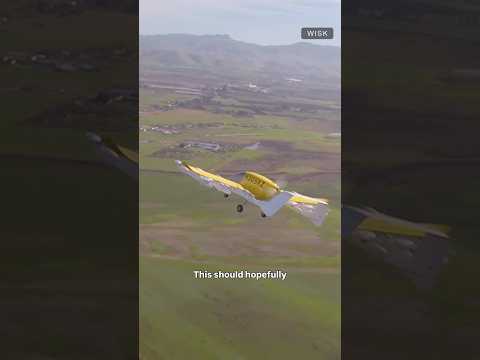
Aircraft Specifications - The autonomous aircraft, named Whisk, resembles an SUV with four seats and four doors [1] - The aircraft's maximum speed is 120 knots (approximately 222 km/h), with a range of 90 miles (approximately 145 kilometers) [2] Operational Timeline and Locations - The company anticipates potential FAA certification and takeoff by 2030 [2] - Initial launch cities for the aircraft are Houston, Los Angeles, and Miami, operating from designated "Vertaort" locations [2] Future Expansion - The company plans to expand operations to more locations in the future [3]

Forget Self-Driving: This Air Taxi Can Fly Without a Pilot | What The Future
CNET· 2025-11-23 13:00
Company Overview - Whisk 是一家致力于开发全电动、全自动空中出租车的公司,目标是大幅缩短出行时间 [1] - Boeing 在作为投资人多年后,于 2023 年收购了 Whisk [1] - Whisk 的空中出租车可以飞行 90 英里(约 144.8 千米)的距离,速度高达 120 节(约 222 公里/小时) [1] - Whisk 已经进行了近 2000 次测试飞行 [1] Aircraft Features - Whisk 的第六代空中出租车是该公司建造的最大的飞机,拥有宽敞的改进型内饰,可容纳四名乘客 [3][5] - 该飞机翼展为 50 英尺(约 15.2 米),配备 12 个升力风扇,前排风扇可倾斜以提供升力和巡航飞行 [5] - 飞机前部设有行李舱(frunk),可容纳四个滚轮包,机舱内有储物箱 [6][7] - 飞机采用垂直起降方式,配备直升机认证座椅,具有特殊的能量吸收机制,以确保硬着陆时的安全 [10] Autonomous Technology & Safety - Whisk 的飞机采用预编程路线飞行,能够检测并避开潜在危险,并在紧急情况下有备用地点 [19] - 飞机配备冗余系统、软件、电池和推进装置,以确保没有单点故障,从而提高安全性 [21] - 地面人员(多车辆主管)会监控飞行,并在出现问题时进行干预 [16] - 飞机配备摄像头,持续监控机舱和乘客的安全,并通过机上和移动应用程序提供呼叫按钮 [13] Passenger Experience - 飞机内部设计类似于汽车,配备扶手、杯架和充电器,以及用于存放小型随身物品的隔间 [9] - 飞机还注重可访问性,在安全视频中提供手语,并在楼梯扶手上添加盲文和凸起字母,以及用于轮椅的装载平台 [14] - 每位乘客都有独立的门,方便进出 [7] Service & Cost - Whisk 计划与其它公司合作,通过一个应用程序提供完整的出行方案,包括到达飞机、飞行以及从着陆点到达最终目的地 [22] - 预计服务初期价格类似于 Uber Black,随着规模扩大,价格将逐渐降低 [24] - Whisk 计划在交通便利的中心位置建立垂直起降场(vertaports),配备充电基础设施和乘客便利设施 [25] - 飞机充电仅需 15 分钟 [26] Launch & Future Plans - Whisk 的目标是在 2030 年前推出服务,首先在休斯顿、洛杉矶和迈阿密推出,具体时间取决于 FAA 的认证 [27]

Exclusive look at air taxis being tested for commercial use
NBC News· 2025-11-18 01:00
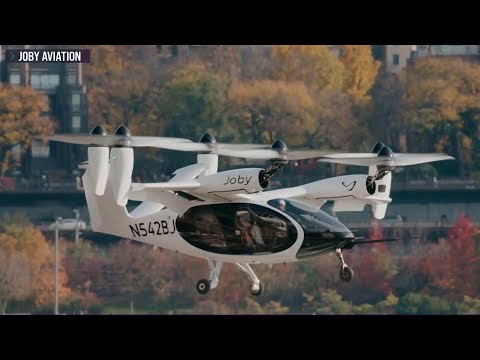
Picture hailing an Uber and lifting off in one of these. Tonight, NBC News given behindthe-scenes access to an American firm in a global race to launch commercial air taxis. The company Joby in partnership with Uber has been testing and demonstrating around the world, including here in Dubai, in California, and in New York.>> This is click a button and get a flight. This is bringing the magic of flight to our everyday lives. >> So, how will it work.A regular Uber will pick you up at your home or office and ...
Beta Technologies ends first day on NYSE in the green and $1B raised
TechCrunch· 2025-11-04 22:22
Core Insights - Beta Technologies successfully debuted on the New York Stock Exchange, raising $1 billion with an initial share price of $34, which closed at $36, reflecting strong investor interest [1] - The company has raised a total of $1.15 billion from institutional investors, including Fidelity and Qatar Investment Authority, and notable investors like Amazon and General Electric [2] - Beta Technologies filed for its IPO during a government shutdown, utilizing new SEC guidance that allows companies to proceed without staff review, a move that has been adopted by other firms as well [3][4] Company Overview - Founded in 2017 by Kyle Clark, Beta Technologies is focused on developing electric aviation solutions, taking a non-traditional route by avoiding Silicon Valley and venture capital [2] - The company has designed two electric aircraft: the Alia CX300 eCTOL for regional flights and the Alia A250 eVTOL for urban environments, and has also established an EV aircraft charging business [8] Financial Performance - Beta Technologies reported revenue of $15.6 million in the first half of 2025, which is double the revenue from the same period in 2024, although it is still not profitable with net losses increasing to $183 million [9]

X @Bloomberg
Bloomberg· 2025-11-03 20:07
Market Trends - Investors are showing increased interest in Beta's IPO as the electric aircraft developer aims to differentiate itself from negative perceptions associated with the 2021 blank-check company boom and bust [1] Company Positioning - Electric aircraft developers like Beta are seeking to distance themselves from the negative associations of the 2021 blank-check company boom and bust [1]
Electric air taxi company Joby to acquire helicopter passenger business Blade
NBC News· 2025-08-05 02:30
Acquisition and Business Strategy - Joby Aviation is acquiring Blade Air Mobility for $125 million, aiming to expand its electric air taxi service [1] - The acquisition provides Joby with an existing customer base and more takeoff and landing locations [2] - Blade transported over 50,000 passengers in the NYC area last year, indicating a strong demand for helicopter shuttle services [3] Technology and Innovation - Joby's electric aircraft aims for zero operating emissions and reduced noise compared to traditional helicopters [7] - Joby plans to progressively introduce automation, with the long-term goal of pilot-free aircraft [8][9] - The electric helicopter technology has been in development for several years, with ongoing testing for safety and reliability [11] Regulatory and Public Perception - New York City Council passed a bill to restrict non-essential helicopter flights based on FAA noise standards [6] - Public concerns exist regarding helicopter noise, emissions, and safety risks, particularly in urban areas like New York City [4][5] - Joby emphasizes that its electric aircraft will lead to quieter skies, addressing community concerns [7]