Energy - Intensive Industry

Search documents
硅谷算力成本飙升,中国绿电送上门,差价藏着底气
Sou Hu Cai Jing· 2025-12-16 01:17
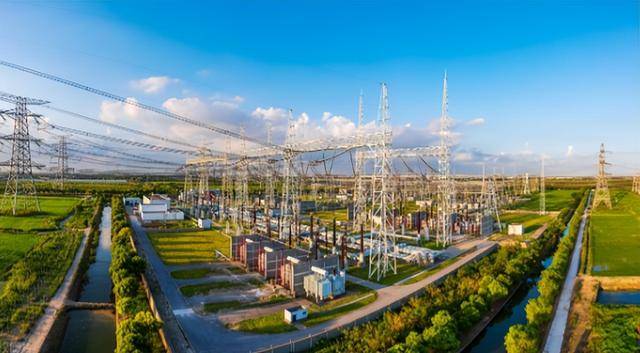
Core Viewpoint - The article discusses the competitive landscape of AI between China and the United States, emphasizing the critical role of electricity supply and infrastructure in supporting AI development, rather than just focusing on chip technology and manufacturing capabilities. Group 1: Electricity Consumption and Infrastructure - Silicon Valley's AI data centers consume over 100 billion kilowatt-hours of electricity annually, surpassing the total electricity usage of Sweden [1] - The U.S. electrical grid is fragmented, with major regions operating independently, leading to inefficiencies and high transmission losses of over 15% on outdated high-voltage lines [3] - The construction of interstate high-voltage lines in the U.S. takes an average of ten years, which is significantly longer than in China, where the average is three years [6][18] Group 2: China's Electricity System Advantages - China has built 35 ultra-high voltage lines by 2024, enabling efficient transmission of renewable energy with losses below 5% to major AI centers [9] - The Chinese power grid can quickly adjust to fluctuating demands, providing stable electricity supply crucial for AI operations, which require consistent high loads during training [11] - China's investment in digitalizing its power grid is twice that of the U.S., allowing for better integration of renewable energy sources [13] Group 3: Coal Power as a Strategic Asset - Despite environmental concerns, China's modern coal power plants serve as a reliable backup for AI operations, capable of rapid expansion and quick deployment compared to other energy sources [15] - The ability to respond quickly to electricity demand is seen as a significant advantage for China in the AI competition, especially as global data centers are projected to consume 8% of the world's electricity by 2030 [15] Group 4: Historical Context and Future Implications - Historical patterns suggest that the benefits of technological advancements often accrue to countries that can scale applications efficiently, rather than those that invent the technology [16] - The future of AI dominance may hinge more on the efficiency of electricity supply and infrastructure than on advanced chip technology alone, positioning China's power grid as a critical asset in this competition [21]