Global Currency Credit System Reshaping

Search documents
金价可能大跌开始了,26年1月26日黄金跌价
Sou Hu Cai Jing· 2026-01-27 19:29
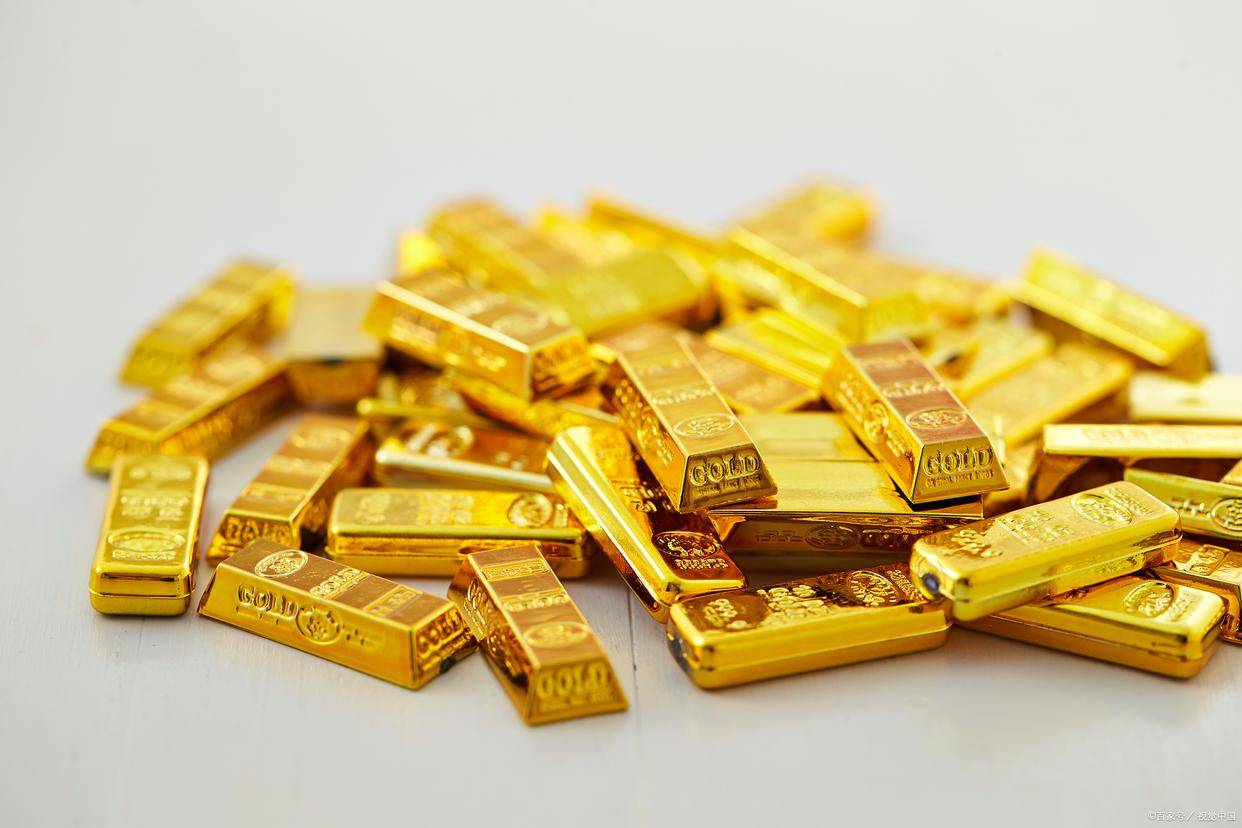
Group 1: Domestic Gold Market Overview - As of January 26, 2026, domestic gold prices remain high, with the Shanghai Gold Exchange spot price surpassing 1550 yuan per gram, while retail prices for major brands range from 1274 to 1562 yuan per gram [2] - Major brands like Liufu Jewelry and Chow Tai Fook are quoting gold prices around 1551 to 1553 yuan per gram, while bank investment gold bars are priced lower at 1132 yuan per gram, providing an alternative for investors [2] - The Shenzhen Shui Bei gold wholesale market, a key industry indicator, quotes 999 fine gold at 1274 yuan per gram, with slight variations for different gold types, indicating a cautious market sentiment [2] Group 2: Silver Price Surge and Gold-Silver Ratio - On January 26, 2026, domestic silver prices reached 25.13 yuan per gram (approximately 90 USD per ounce), marking a significant increase since November 2025, which has led to a sharp decline in the gold-silver ratio to around 50, the lowest in nearly 13 years [3] - The decline in the gold-silver ratio typically indicates a recovery in global manufacturing, but current economic indicators, such as the US manufacturing PMI remaining in contraction, suggest a fundamental shift in the drivers of silver prices [3] Group 3: Transformation of Silver's Attributes - The current strength in the silver market is attributed to a redefinition of its attributes, as silver becomes essential in green energy transitions and digital technologies, particularly in photovoltaic cells and electric vehicles [4] - Concerns over supply chain security, particularly with China's export licensing for silver, may heighten market worries about supply stability, further enhancing silver's financial attributes and price elasticity [4] Group 4: Declining Appeal of Dollar Assets and Central Bank Demand for Gold - The macro backdrop for the strengthening of precious metals is a profound shift in the global financial landscape, with the dollar's share in international reserves falling to a near 30-year low, prompting central banks to diversify their foreign exchange reserves [5] - In 2025, global central bank net gold purchases remained high, with many countries announcing long-term accumulation plans, leading to a structural change where the total value of gold held by central banks exceeds that of US Treasury securities [5] Group 5: Cyclical and Structural Opportunities - The precious metals market is currently experiencing a resonance of cyclical and structural factors, with traditional safe-haven assets like gold and silver gaining appeal amid rising geopolitical risks [7] - Structural factors include the weakening of dollar credit margins and the revaluation of silver due to its role in the energy and technology revolution, indicating a long-term demand story despite the low gold-silver ratio [7] - The performance of gold and silver may increasingly be driven by their core logic, with their interdependence serving as a critical window for observing global macroeconomic conditions and risk sentiment [7]