
Gold price movement

Search documents
Gold just had one of its worst weeks in 40 years. Is it time to buy the dip?
Yahoo Finance· 2026-03-24 13:15
Core Viewpoint - The recent sharp decline in gold prices, dropping 17% in five trading days to below $4,200 per ounce, has raised concerns, but the underlying thesis for gold remains strong, with forecasts suggesting a rebound to $5,900 per ounce by early 2027 [1][2]. Group 1: Reasons for the Sell-off - The sell-off was driven by three main factors: rising energy prices reigniting inflation fears, a shift in market expectations regarding Federal Reserve policy, and a strengthening dollar, all of which negatively impact gold [3]. - Physical demand for gold was affected, particularly due to disruptions in the Middle East, with Dubai being a key trading hub. The region accounted for approximately 270 metric tons of demand last year, nearly 10% of global consumption. Additionally, 62 metric tons were divested through exchange-traded funds in March, negating year-to-date inflows [4]. Group 2: Historical Context and Current Analysis - UBS questions whether the current situation resembles past significant downturns in gold prices, such as the Volcker moment in 1980 or the 2013 taper tantrum, concluding that the current correction is more contained and less severe [5][6]. - The current Federal Reserve chair has indicated that while rate cuts may be delayed, there is no clear indication of impending rate hikes, suggesting that the current correction of 10-15% from recent highs is modest compared to historical declines [6]. Group 3: Future Outlook - Gold is expected to perform better during the second phase of a crisis when growth weakens and central banks ease monetary policy. UBS forecasts a decline in 10-year Treasury yields from 4.42% to 3.75% by year-end and a strengthening euro against the dollar, both of which would support gold prices [7]. - The current situation is viewed as a pause rather than a broken trade, indicating potential for recovery in gold prices [8].
Gold Rises, Boosted by Fall in Dollar, U.S. Treasury Yields
WSJ· 2026-03-23 23:41
Core Viewpoint - Gold prices increased in early trading due to a decline in the dollar and U.S. Treasury yields [1] Group 1 - The rise in gold is attributed to the weakening of the dollar, which typically boosts gold's appeal as an alternative investment [1] - U.S. Treasury yields have fallen, contributing to the upward movement in gold prices, as lower yields reduce the opportunity cost of holding non-yielding assets like gold [1]


Gold price keeps going down as ECB leaves rates unchanged
KITCO· 2026-03-19 13:40
Core Insights - The article discusses the current trends and developments in the financial sector, particularly focusing on investment opportunities and market dynamics [4]. Group 1: Industry Overview - The financial sector has seen significant changes over the past decade, with a shift towards digitalization and increased regulatory scrutiny [4]. - Investment banks are adapting to new market conditions by diversifying their service offerings and enhancing technological capabilities [4]. Group 2: Company Analysis - Companies within the financial sector are increasingly focusing on sustainable investment strategies to attract environmentally conscious investors [4]. - The competition among investment firms is intensifying, leading to innovative financial products and services aimed at meeting diverse client needs [4].
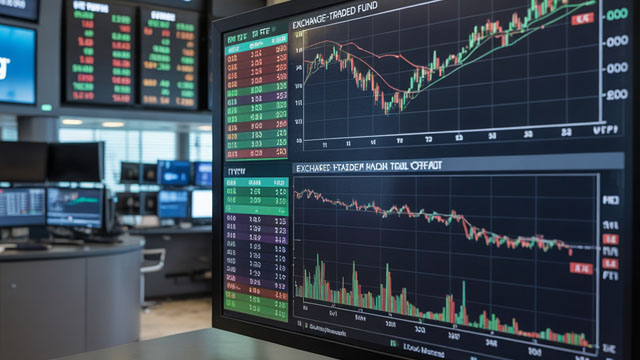
Gold prices have room to move lower as fundamental and technical headwinds grow - Saxo Bank
KITCO· 2026-03-18 18:11AI Processing
Neils ChristensenNeils Christensen has a diploma in journalism from Lethbridge College and has more than a decade of reporting experience working for news organizations throughout Canada. His experiences include covering territorial and federal politics in Nunavut, Canada. He has worked exclusively within the financial sector since 2007, when he started with the Canadian Economic Press. Neils can be contacted at: 1 866 925 4826 ext. 1526 nchristensen at kitco.com @Neils_cShareDisclaimer: The views expressed ...

Gold Edges Higher Amid Ongoing Middle East Conflict
WSJ· 2026-03-13 00:22
Core Viewpoint - Gold prices have increased in early Asian trading due to the ongoing conflict in the Middle East [1] Group 1 - The rise in gold prices is attributed to geopolitical tensions, particularly in the Middle East [1]
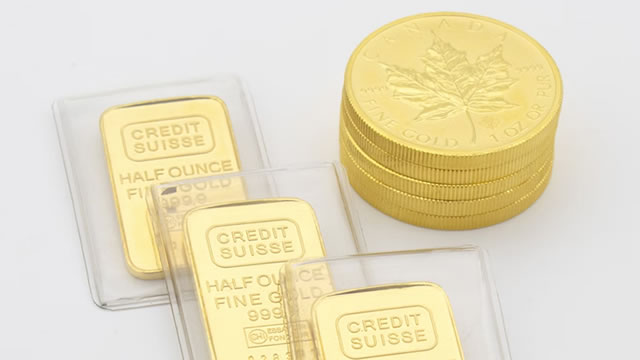
Gold Edges Higher as It Faces Opposing Forces
WSJ· 2026-03-10 23:38
Group 1 - Gold prices increased in early Asian trading, indicating a potential upward trend in the market [1] - The market is experiencing divergent signals, suggesting mixed investor sentiment and varying influences on gold prices [1] Group 2 - The rise in gold prices may reflect broader economic conditions and investor behavior, highlighting the metal's role as a safe haven [1] - The current trading environment could present both opportunities and challenges for investors in the gold sector [1]

Gold slips after brief surge on Iran tensions, but Metals Focus still sees upside
KITCO· 2026-03-05 22:10
Core Viewpoint - The article discusses the escalating tensions in Iran, which may have implications for various sectors, particularly in commodities and financial markets [1][2]. Group 1: Economic Impact - The tensions in Iran are reflected in fluctuating prices, with a noted price of $5,400 and a previous price of $5,100, indicating a potential increase in market volatility [1][2]. Group 2: Industry Reactions - The financial sector is closely monitoring the situation, as geopolitical tensions can significantly affect commodity prices and investment strategies [1][2].

Gold Edges Higher Amid Middle East Conflict
WSJ· 2026-03-02 23:47
Core Viewpoint - Gold prices have increased in the early morning Asian session due to the ongoing conflict in the Middle East [1] Group 1 - The rise in gold prices is attributed to geopolitical tensions, particularly in the Middle East [1]

Gold price today, Tuesday, February 17: Gold opens below $5,000 again
Yahoo Finance· 2026-02-17 12:22
Core Insights - Gold futures opened at $4,899.10 per troy ounce, down 2.9% from the previous closing price of $5,046.30, marking the second consecutive opening below $5,000 after a period above that threshold [1][4]. Economic Indicators - Positive reports on the U.S. labor market and inflation contributed to gold's pullback, with nonfarm payrolls rising by 130,000 in January, significantly exceeding the expected 55,000 [2]. - The Consumer Price Index showed a 0.2% increase in January, leading to an annual inflation rate of 2.4%, slightly below the anticipated 2.5% [2]. - The likelihood of the Federal Reserve cutting interest rates this year has decreased, with current predictions showing only a 7.8% chance for a quarter-point reduction in February, down from 20.1% the previous week [2]. Gold Price Trends - The opening price of gold futures on Tuesday was 2.9% lower than the previous Friday's close, with a one-week change of -2.3%, a one-month change of +6.3%, and a one-year change of +66.8% [4][8]. - Gold's one-year gain was reported at 95.6% as of January 29 [4]. Market Dynamics - Lingering high interest rates tend to support a stronger dollar, which can limit demand for gold [3]. - Despite high prices, gold is seen as a recovering asset from decades of low prices and is increasingly popular among central banks and individual investors for diversification [10]. Investment Considerations - Investors are advised to view gold as a stabilizer in a diversified portfolio rather than a driver of high returns, with appropriate expectations and timelines to manage pricing risk [11]. - Gold is characterized as a speculative asset, influenced by unpredictable macroeconomic, political, and financial factors [12].
Gold prices tumble below $5,000 as China holidays dent support
MarketWatch· 2026-02-17 07:58
Core Viewpoint - Gold's price, which had been precariously holding at $5,000 an ounce, experienced a decline due to selling pressure on Tuesday [1] Group 1 - The selling pressure indicates a shift in market sentiment regarding gold prices [1] - The decline in gold prices may reflect broader economic factors influencing investor behavior [1]