Health span

Search documents
Longevity: Separating the Science From the Fiction | Matt Kaeberlein | TEDxBoston
TEDx Talks· 2026-03-05 17:01
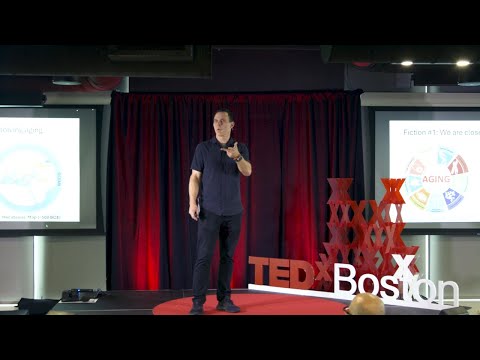
What I want to do is really talk about three I think prevalent fictions in the field right now. Certainly if you consume at all sort of longevity influencer stuff on the internet you will have heard these and unfortunately we see some of these fictions showing up in the scientific literature even um which I view as problematic. Um, and then I want to talk about three of the core facts in the in the field that I think really set the foundation for where we're at, the trajectory going forward, and and why sci ...

The ethics and economics of human longevity | Raiany Romanni-Klein | TEDxBoston
TEDx Talks· 2025-12-08 16:21
Industry Trend & Observation - The way of dying has shifted from fast incidents to gradual and predictable processes, largely due to advancements in medicine and social systems [1][2][3] - Human ingenuity has led to a population of 8 billion with the most resources per capita ever, but preventable deaths still persist [4][5] - Diseases of aging are the result of damage that builds up over decades, with median ages of diagnosis being 66 for cancer, 65 for heart attacks, and 83 for dementia [7] Economic Impact & Investment Opportunity - The US could spend half its federal budget, approximately $3 trillion per year, on adults aged 65 and older by the end of the decade [8][9] - Curing all cancers would be worth about $80 trillion to the US economy in the long run [16] - A 5-year shift backwards in biological aging for people aged 40 and older in the US could yield over $100 trillion to the US economy over several decades, adding about $2 trillion per year to US GDP [24] Potential Solutions & Strategies - Investing in the science of aging could redesign how humans live, work, give birth, and die [17] - Slowing reproductive aging can be seen as investments in older adults who would otherwise suffer from conditions like menopause [26] - Public and philanthropic funds and a sense of moral urgency are needed to precede scientific results in technically demanding fields like aging [29]