
Healthcare affordability

Search documents
How much of families' paychecks go toward healthcare costs? It depends on the state.
Yahoo Finance· 2026-02-15 15:00
Core Insights - Families earning the median household income are spending 10% or more of their paychecks on employer-sponsored health coverage in 19 states, particularly in the southern US, with potential increases if incomes do not keep pace with rising healthcare costs [1][2] Group 1: Premiums and Deductibles - The Commonwealth Fund's analysis indicates that combined premiums and deductibles for family plans average 10.1% of the median family's household income nationwide, with family coverage premiums averaging $24,540 and families contributing $7,216 [5] - In states like Louisiana, combined premium and deductible costs account for 15.6% of incomes, while Florida, Mississippi, and North Carolina see similar figures at 13.7% [6] - Conversely, states like New Hampshire and Washington, D.C. report lower percentages, with costs at 6.9% and 5.7% of median household income, respectively [7] Group 2: Future Projections and Concerns - A previous survey from KFF noted that annual premiums for employer-sponsored family plans reached nearly $27,000, with workers paying $6,850, and costs are expected to rise further by 2026 due to increased healthcare utilization and the introduction of high-cost therapies [8] - The affordability of health coverage remains a significant concern, as families are spending more for plans that offer less protection [9]
Cigna(CI) - 2025 Q4 - Earnings Call Transcript
2026-02-05 14:32
Financial Data and Key Metrics Changes - The Cigna Group reported full-year adjusted revenue of $275 billion, reflecting an 11% growth year-over-year [8] - Adjusted earnings per share (EPS) for the full year reached $29.84, a 9% increase compared to the previous year [8][17] - The company recorded after-tax special item charges of $483 million, equating to $1.82 per share [4][5] Business Line Data and Key Metrics Changes - Evernorth's specialty and care services business generated $26.7 billion in revenue, marking a 14% year-over-year increase [31] - The pharmacy benefit services business within Evernorth delivered $36.3 billion in revenue, with adjusted earnings of $1.2 billion [31] - Cigna Healthcare achieved adjusted revenues of $11.2 billion in the fourth quarter, with pre-tax adjusted earnings of $734 million [32] Market Data and Key Metrics Changes - The company reported a 13% year-over-year growth in the number of specialty prescriptions [18] - The specialty pharmacy market is projected to grow significantly, with expectations of long-term average annual income growth of 8%-12% [75] - Approximately 90% of all prescriptions filled in the U.S. are generic, contributing to lower overall pharmacy spending [15] Company Strategy and Development Direction - The Cigna Group is focused on evolving its business model to enhance affordability and transparency in healthcare, particularly through a new rebate-free pharmacy benefits model [10][25] - The company aims to leverage partnerships and innovative solutions to improve patient access and lower costs, including collaborations with various healthcare providers [14][22] - Strategic investments in specialty capabilities and care services are intended to position the company for sustainable growth in a rapidly changing environment [8][31] Management's Comments on Operating Environment and Future Outlook - Management expressed confidence in the company's ability to navigate a dynamic healthcare landscape, emphasizing a commitment to lowering healthcare costs and improving access to quality care [10][12] - The outlook for 2026 includes projected consolidated adjusted revenues of approximately $280 billion and adjusted EPS of at least $30.25 [33][34] - Management highlighted the importance of addressing underlying cost drivers in healthcare, including rising demand due to chronic conditions and aging populations [11] Other Important Information - The company announced a global settlement with the Federal Trade Commission, which is expected to provide $7 billion in out-of-pocket cost relief over the next 10 years for customers [9] - Cigna's new pharmacy benefit model is designed to ensure the lowest out-of-pocket costs for consumers and enhance support for local pharmacies [61] Q&A Session Summary Question: Discussion on PBM legislation and margin profile - Management indicated that the margin profile for the pharmacy benefit services (PBM) will remain similar despite the new model and regulatory changes, with a potential maximum impact of 1% on the effective tax rate due to the relocation of GPO capabilities [40][45] Question: Adoption of the new pricing model - The entire Cigna Healthcare fully insured book is expected to adopt the new pricing model by 2027, with at least 50% of the Evernorth business adopting it by the end of 2028 [48][51] Question: Specialty business growth drivers - The specialty business is experiencing strong growth, driven by increased prescriptions and a focus on biosimilars, with expectations for continued momentum in 2026 [75][78]

Cigna(CI) - 2025 Q4 - Earnings Call Transcript
2026-02-05 14:30
Financial Data and Key Metrics Changes - The Cigna Group reported full-year adjusted revenue of $275 billion, reflecting an 11% growth year-over-year [6][28] - Adjusted earnings per share (EPS) for the full year 2025 reached $29.84, a 9% increase compared to the previous year [6][30] - The company recorded after-tax special item charges of $483 million, equating to $1.82 per share [3][4] Business Line Data and Key Metrics Changes - Evernorth's specialty and care services business generated $26.7 billion in revenue, marking a 14% year-over-year growth [28] - The pharmacy benefit services business within Evernorth delivered $36.3 billion in revenue, with adjusted earnings of $1.2 billion [28] - Cigna Healthcare achieved adjusted revenues of $11.2 billion in Q4 2025, with pre-tax adjusted earnings of $734 million [30] Market Data and Key Metrics Changes - The company reported a 13% year-over-year growth in the number of specialty prescriptions in 2025 [15] - The specialty pharmacy market is projected to grow significantly, with a $400 billion-plus addressable market growing at a high single-digit secular growth rate [70] Company Strategy and Development Direction - Cigna Group is focused on evolving its business model to enhance customer experience and affordability, including a new rebate-free pharmacy benefits model [10][22] - The company aims to leverage partnerships and innovations to drive down healthcare costs and improve access to medications [11][12] - Strategic investments in specialty capabilities and pharmacy benefit services are intended to position the company for sustained growth [6][28] Management's Comments on Operating Environment and Future Outlook - Management expressed confidence in the company's ability to navigate a dynamic healthcare environment and achieve sustained growth [5][13] - The outlook for 2026 includes projected consolidated adjusted revenues of approximately $280 billion and adjusted EPS of at least $30.25 [30][31] - The company anticipates continued investment in infrastructure to support its new pharmacy benefits model, with a focus on affordability and transparency [31][66] Other Important Information - The company announced a global settlement with the Federal Trade Commission, which is expected to provide $7 billion in out-of-pocket cost relief over the next 10 years for customers [7][8] - Cigna Group returned over $5 billion to shareholders through dividends and share repurchases in 2025 [13] Q&A Session Summary Question: Discussion on PBM legislation and margin profile - Management indicated that the margin profile for the pharmacy benefit services (PBS) will remain similar despite the new model and regulatory changes, with no expected change in the growth algorithm [37][39] Question: Adoption of new pricing model - The entire Cigna Healthcare fully insured book is expected to adopt the new pricing model by 2027, with at least 50% of the Evernorth business adopting it by the end of 2028 [44][48] Question: Specialty business growth drivers - The specialty business experienced 14% top-line growth, driven by strong demand in various therapeutic areas and the increasing adoption of biosimilars [70][71]
Trump healthcare plan targets affordability to boost private insurance uptake
Yahoo Finance· 2026-01-21 17:29
Core Insights - Private health insurance penetration rates in the US increase significantly with household income, indicating affordability as a major barrier for lower-income groups [2] - President Trump's healthcare legislative proposal aims to reduce costs for consumers and improve access to coverage, focusing on lowering prescription drug prices and insurance premiums [3][4] Group 1: Private Health Insurance Penetration - The GlobalData survey reveals that only 19.4% of respondents earning $0–$19,999 have private health insurance, compared to 50.9% of those earning $150,000 or more [2] - This disparity highlights the affordability issue that affects lower-income households and their access to private health insurance [2] Group 2: Legislative Proposal Overview - The 'Great Healthcare Plan' proposed by President Trump seeks to align US prescription drug prices with international benchmarks and enhance price transparency in the healthcare system [3] - A key feature of the proposal is the overhaul of federal subsidies, directing funds to eligible individuals instead of insurers, which is expected to increase competition and lower average premiums by over 10% [4] Group 3: Cost Reduction Measures - The proposal aims to eliminate certain payments involving pharmacy benefit managers and brokers, which are seen as inflating coverage prices [5] - New disclosure requirements would mandate insurers to publish policy prices, benefits, claims denial rates, and administrative costs in clear language, extending similar obligations to Medicare and Medicaid providers [5] Group 4: Potential Impact on the Market - If implemented, these measures could enhance affordability and accessibility for lower-income households, potentially narrowing the income-related coverage gap and increasing private health insurance penetration rates [6] - The reforms are expected to foster price competition and transparency among insurers, leading to changes in product design and pricing strategies as the market adapts to greater consumer choice and cost sensitivity [6]
HealthEquity (NasdaqGS:HQY) FY Earnings Call Presentation
2026-01-13 23:00
Powering how Americans save, spend, and invest in health Copyright © 2026 HealthEquity, Inc. All rights reserved. | HealthEquity does not provide legal, tax or financial advice. Investor presentation 1 #1 HSA provider 1 in 4 HSAs in the US are with us +100k clients 200+ Network partners 10.1M HSAs +6% YoY $34.4B HSA assets +15% YoY 17.3M Total Accounts +5% YoY Source: HealthEquity key metrics reported as of Oct 31, 2025. #1 HSA by number of accounts based on 2025 Midyear Devenir HSA report, October 9, 2025. ...

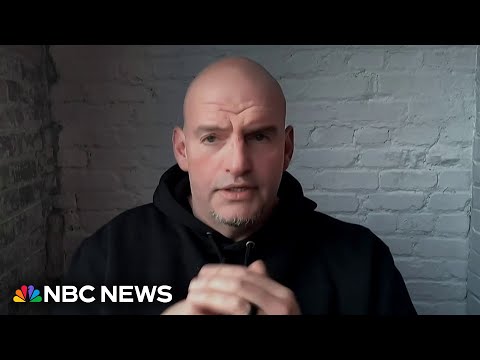
Sen. Fetterman: Health care proposals from both parties were ‘designed to fail’
NBC News· 2025-12-12 22:01
Joining me now is Pennsylvania Democratic Senator John Federman. Senator Fedterman, thank you so much for joining me. I appreciate it.>> No. Well, thank you for having me on. >> Well, I wanted to talk to you about the big issue this week, healthc care.Do you think at this point that Congress will be able to prevent premiums from skyrocketing at the end of the year. >> Yeah. I I mean I mean anything's possible honestly.Um I mean both of those proposals that were put up in the Senate on Thursday, they were es ...

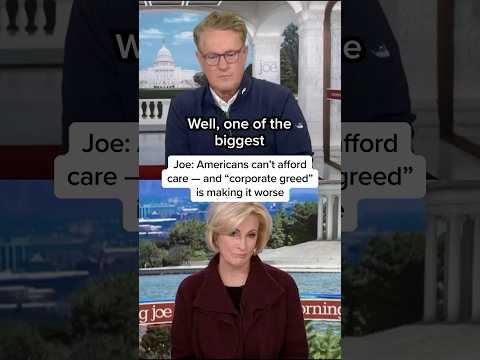
Joe: Americans can't afford care -- and 'corporate greed' is making it worse
MSNBC· 2025-12-11 17:27
Well, one of the biggest problems here, ma, is you actually have in this health care issue, you have three things coming together. You have affordability, obviously, because Americans can't afford their healthcare. That's number one.Number two, you have the issue of the rich getting richer. You look at what executives make uh and why they make it and how much they make it. Private health insurance companies making more money every year.And third, and this is a real problem, uh you you you look at uh what wh ...
Health insurers rise on report Trump considering ACA subsidy extension
Yahoo Finance· 2025-11-24 14:50
Core Viewpoint - U.S. health insurers' shares surged following reports of a potential two-year extension of Affordable Care Act (ACA) premium subsidies, which would alleviate concerns over premium increases and enrollment declines [1][3]. Group 1: Company Reactions - Centene's shares increased by approximately 7%, Molina Healthcare's shares rose around 4%, and Elevance Health's shares climbed more than 2% in early trading [1]. - Hospital operators also saw positive movements, with HCA Healthcare shares rising by 3.2%, Universal Health Services up nearly 2%, and Tenet Healthcare jumping 6% [4]. Group 2: Market Sentiment - The anticipated two-year extension is viewed as a "better than feared" scenario for health insurers, providing relief after uncertainty surrounding ACA subsidies [2]. - Investors had been cautious due to the potential expiration of pandemic-era enhanced tax credits, but public support for extending these credits remains strong, with about three-quarters of U.S. adults favoring renewal [6]. Group 3: Industry Implications - The proposed policy framework is expected to ease risks associated with sharp premium increases and potential enrollment declines in 2026, thereby improving healthcare affordability [3]. - Analysts suggest that the proposals, although still in early stages, would be favorable for healthcare services, including hospitals and managed care businesses [4].


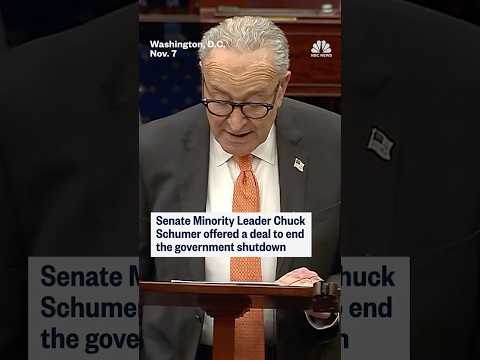
Senate Minority leader Chuck Schumer offered a deal to end the government shutdown
NBC News· 2025-11-07 23:47
And since what we're proposing is only a simple extension of current law, the Senate could do this within a few hours. This is a reasonable offer that reopens the government, deals with healthc care affordability, and begins a process of negotiating reforms to the ACA tax credits for the future. >> What the Democrats are offering is a clean, continuing resolution to reopen the government along the lines of what Republicans want.In addition to that, a bipartisan minibus of appropriations bills. In other word ...
Cigna(CI) - 2025 Q3 - Earnings Call Transcript
2025-10-30 13:30
Financial Data and Key Metrics Changes - The Cigna Group reported revenues of $69.7 billion and adjusted earnings of $7.83 per share for the third quarter of 2025, reflecting sustained growth despite a dynamic market environment [6][33]. - The company recorded a net after-tax special item benefit of $61 million, equating to $0.23 per share [3]. Business Line Data and Key Metrics Changes - Evernorth Health Services achieved revenues of $60.4 billion, with pre-tax adjusted earnings of $1.9 billion, while specialty and care services revenues increased by 10% to $26.3 billion, and pre-tax adjusted earnings rose by 11% to $928 million [33][34]. - Cigna Healthcare reported third quarter revenues of $10.9 billion and pre-tax adjusted earnings of $1 billion, with a medical care ratio of 84.8% driven by an updated view of risk adjustment [35][36]. Market Data and Key Metrics Changes - The company noted that generic drugs account for 90% of all prescriptions in the U.S., with prices being one-third cheaper than in other countries, while brand name medications continue to rise significantly in cost [8][9]. - The median price for new FDA-approved drugs is projected to be approximately $390,000 for a treatment course in 2025, highlighting the affordability challenges in the market [9]. Company Strategy and Development Direction - The Cigna Group is focusing on a new rebate-free model for pharmacy benefits, aiming to improve healthcare affordability and streamline the patient experience [7][12]. - The company is strategically investing in expanding its addressable markets, including a recent investment in Shields Health Solutions to enhance specialty capabilities [6][19]. Management's Comments on Operating Environment and Future Outlook - Management expressed confidence in sustaining growth despite challenges, reaffirming an adjusted EPS outlook of at least $29.60 for 2025 [16][33]. - The company anticipates margin pressure in the pharmacy benefit services segment due to strategic client renewals and investments in the new model, but expects long-term growth to remain strong [15][30]. Other Important Information - The company is committed to supporting independent pharmacists and ensuring fair pricing reimbursements, particularly in rural communities [14]. - Cigna Healthcare's growth is expected to be at the higher end of its long-term targets, with a focus on enhancing affordability and access to care [38]. Q&A Session Summary Question: Clarification on rebate guarantees and renewal pricing - Management clarified that the new rebate-free model is designed to be transparent and fee-based, aligning with regulatory priorities, and that the long-term growth algorithm for Evernorth remains intact despite short-term pressures [45][46]. Question: Magnitude of the 2026 decline in pharmacy benefit services - Management indicated that the decline in pharmacy benefit services income is expected to be driven by large client renewals and transitional investment spending, with specific figures not provided but a directional outline given [58][62]. Question: Adoption likelihood of the new model by employers - Management expressed confidence that the new model will be well-received by employers, emphasizing its benefits in terms of budget certainty and employee satisfaction [68][69]. Question: Profitability of large contracts - Management stated that while large contracts may have lower margin profiles, they do not operate at a loss and are strategically important for the company [73][76].