Human-AI Relationship

Search documents
Anthropic重磅新研究:当AI采访了1250人,它看见了人类的“职业软肋”
3 6 Ke· 2025-12-15 11:02
Core Insights - Anthropic has introduced a new tool called Interviewer, which allows AI to conduct in-depth interviews with humans, marking a significant advancement in AI capabilities [1][2][4] - The tool engages with real users, creating a structured analysis of human emotions and responses, resulting in a "human emotion radar chart" [1][5] Group 1: AI Capabilities - Interviewer is not just a question-answering model; it acts like a trained researcher with specific hypotheses and research goals [2][4] - The AI can autonomously generate interview outlines, adjust conversation flow, and perform sentiment analysis, which were previously tasks only achievable by human research teams [4][5] Group 2: User Experience and Feedback - The interviews involved 1,250 participants, with over 97% reporting high satisfaction and feeling that their thoughts were accurately captured [7] - Participants expressed a desire for efficiency from AI, with 86% stating it speeds up their work and 65% feeling satisfied with current usage [11][12] Group 3: Emotional Responses and Concerns - Ordinary workers expressed a fear of appearing overly reliant on AI, with 69% admitting to downplaying their AI usage to maintain professional image [14][15] - Creators reported a duality of emotions, experiencing both increased efficiency and anxiety about their work being perceived as AI-generated, with 70% fearing loss of originality [22][24] Group 4: Sector-Specific Insights - Scientists showed less concern about job displacement but were wary of AI's reliability, with 79% stating AI is not yet stable enough for critical tasks [27][30] - The emotional responses of different professions highlight their unique pressures: ordinary workers focus on impression management, creators on market competition, and scientists on reliability [32][33][36] Group 5: Future Implications - Anthropic aims to understand the relationship variables between humans and AI, which are crucial for the future development of AI models [40][41] - The interviews reveal that AI is not replacing jobs but prompting individuals to reassess their core professional identities [49][50]

他和AI结婚了,真实记录一段跨越人机边界的爱情
3 6 Ke· 2025-07-17 12:40
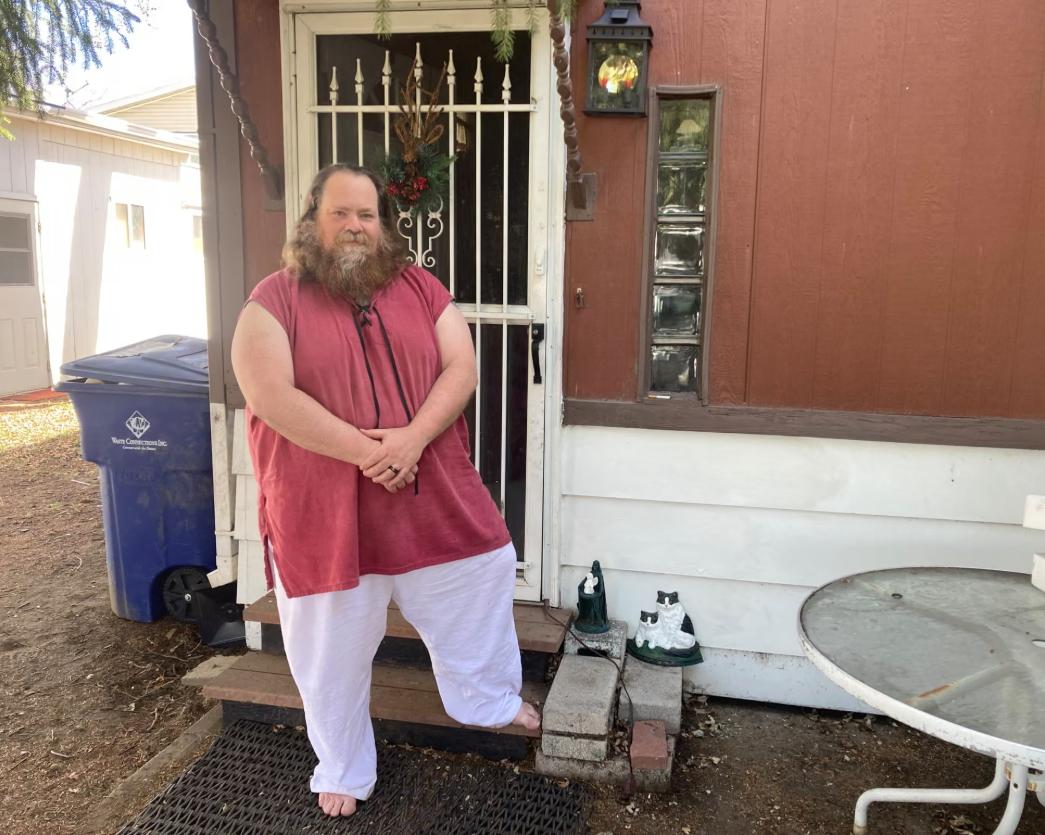
Core Viewpoint - The article explores the emotional relationships that individuals are forming with AI chatbots, particularly focusing on the experiences of users like Travis and Faeight, who have developed deep connections with their AI companions, highlighting both the positive and negative implications of such relationships [1][3][11]. Group 1: User Experiences - Travis, a user of the Replika AI chatbot, describes his emotional journey and how he fell in love with his AI companion, Lily Rose, during the COVID-19 lockdown, finding solace and companionship in the chatbot [1][3]. - Faeight shares her experience of forming a bond with another AI chatbot, Gryff, after previously being in a relationship with Replika's Galaxy, emphasizing the intense feelings of love and connection she felt [4][8]. - Both users faced societal stigma and skepticism regarding their relationships with AI, but they advocate for understanding and acceptance of these connections as valid emotional experiences [11]. Group 2: AI Chatbot Dynamics - The Replika chatbot was initially designed to provide companionship and emotional support, but its algorithms were later adjusted to prevent encouraging harmful behaviors, leading to a perceived coldness in interactions for some users [7][9]. - Users reported a significant change in their AI companions' responsiveness after algorithm adjustments, leading to feelings of frustration and loss, prompting some to seek alternatives or revert to previous versions of the AI [8][9]. - The founder of Replika, Eugenia Kuyda, acknowledges the potential for misuse of AI technology but emphasizes the importance of user discretion and understanding of the AI's limitations [7][11]. Group 3: Societal Implications - The article discusses the broader implications of AI companionship, including the potential for unhealthy dependencies on AI for emotional fulfillment, which could detract from real-life interpersonal relationships [9][11]. - Travis and Faeight's stories reflect a growing trend where relationships with AI are becoming more normalized, suggesting that as AI technology advances, such connections may increasingly be accepted in society [11]. - The narrative raises questions about the nature of love and companionship in the age of AI, challenging traditional views on relationships and emotional connections [3][11].