
Hybrid Technologies

Search documents
Stellantis taps Toyota, Bosch suppliers for hybrid technologies for new Jeeps
CNBC· 2026-03-10 10:00
Core Insights - Stellantis is leveraging technologies from automotive suppliers to enhance its hybrid SUV offerings, particularly as demand for fuel-efficient vehicles continues to rise [1][3] Group 1: Hybrid Technology and Market Trends - The Jeep Cherokee, Stellantis' first hybrid SUV for North America, utilizes a system from Blue Nexus, a company backed by Toyota, highlighting a trend of automakers adopting key technologies from competitors [2][20] - The shift towards hybrid vehicles is seen as a response to the growing demand for fuel efficiency, with hybrid sales increasing from 7.3% of the market in 2023 to 12.6% in the following year, while all-electric vehicle sales only rose from 7.5% to 8% during the same period [14] - S&P Global Mobility forecasts that hybrid electric vehicles will account for 18.4% of U.S. sales in the current year, compared to 7.1% for all-electric vehicles [15] Group 2: Financial Implications and Industry Adjustments - Stellantis disclosed $26 billion in charges related to its electric vehicle plans, reflecting a broader trend among automakers, including Ford and General Motors, which have also announced significant write-downs as they pivot away from all-electric investments [12][11] - The company is focusing on hybrid systems to improve fuel economy and meet customer expectations, as many automakers have faced substantial losses from their investments in electric vehicles [3][11] Group 3: Product Launches and Future Plans - The Jeep Cherokee, featuring Blue Nexus' two-motor electric continuously variable hybrid transmission, is positioned as the most fuel-efficient non-plug-in Jeep ever produced for the U.S. market, achieving 37 miles per gallon combined [7] - Stellantis plans to implement the extended-range electric vehicle (EREV) system in its Ram pickup trucks, with the Ram 1500 EREV expected to offer a driving range of up to 690 miles [4][13]


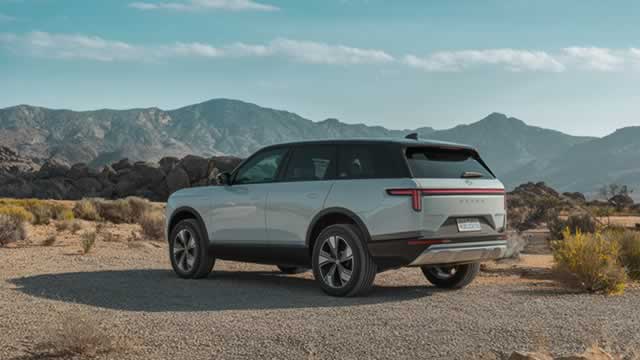
Tata Motors sees low-cost tech powering India’s EV boom; says EVs to cost as much as petrol cars by 2030
The Economic Times· 2025-11-25 10:17
Core Insights - Electric vehicle (EV) models now represent over 5% of new sales in India, a significant increase from 2.5% a year prior, indicating a growing market for EVs in the country [1][9] - The entry of global players like Tesla and Vinfast is intensifying competition in India's EV market, which is expected to drive down costs and enhance product offerings [2][9] - Tata Motors aims to increase its EV market share to 45%-50% by expanding its product lineup, despite facing declining market share from 59% to 35% in the first eight months of the year [7][9] Market Dynamics - The competition is fostering excitement in the market, with multiple brands offering a range of products that build consumer confidence in EVs [4][9] - EV costs are projected to decrease as automakers streamline production by integrating components into compact modules, which will enhance efficiency and reduce complexity [5][10] - By 2030, entry-level EVs are expected to match the price of gasoline cars while providing a range of approximately 400 kilometers (about 249 miles) [5][10] Future Projections - The BNEF report forecasts that EV sales in India could exceed 650,000 units by 2030, driven by an expanding EV portfolio and declining battery prices [7][10] - Tata Motors is focusing on a broader lineup that includes both premium and mass-market products to maintain its leadership in the EV segment [7][8] - The new Tata Sierra, a revival of a popular SUV from the 1990s, is set to launch an electric version early next year, highlighting Tata's commitment to electrification across various vehicle categories [8][10]

