Industry Involution

Search documents
尼龙66应以价值深耕破“内卷”
Zhong Guo Hua Gong Bao· 2026-01-20 01:36
Core Viewpoint - The domestic production of adiponitrile has broken the import monopoly, which should serve as a "golden key" for the high-quality development of the nylon 66 industry. However, rapid capacity growth has led to a temporary supply-demand imbalance and intensified competition, necessitating a shift from scale expansion to value enhancement through planning, technological innovation, and industry chain collaboration [1][2]. Group 1 - The nylon 66 industry is facing a typical "involution" dilemma, where rapid domestic capacity growth following technological breakthroughs in adiponitrile has caused structural supply-demand imbalances, pressuring product prices and overall industry profitability [1]. - Relying solely on scale expansion without coordinated regional planning can lead to disorderly market competition, negatively impacting innovation investment and long-term competitiveness within the industry [1]. - Some companies have initiated self-rescue actions, such as Shenyang Chemical's focus on differentiated high-performance products and Huafeng Group's call to curb disorderly competition, indicating a growing consensus in the nylon 66 industry for collaborative efforts among government, industry, and enterprises to curb blind capacity expansion and resist dumping practices [1]. Group 2 - It is recommended that government departments include the nylon 66 industry in a key new materials capacity warning list, enhancing information alerts, standardizing access criteria, and strengthening environmental safety constraints to guide reasonable capacity layout and orderly development [2]. - The industry association should play a significant role in establishing a monitoring and information-sharing platform, promoting technological exchange and cooperation, and advocating for healthy competition and industry chain collaboration to avoid low-level redundant construction and irrational competition [2]. - Companies should increase R&D investment and actively explore applications in emerging fields such as new energy vehicles and high-end equipment, focusing on technological innovation and application expansion to break the homogenization competition pattern [2].
烟酒店不转型,只有 “死” ?
Sou Hu Cai Jing· 2025-05-15 13:21
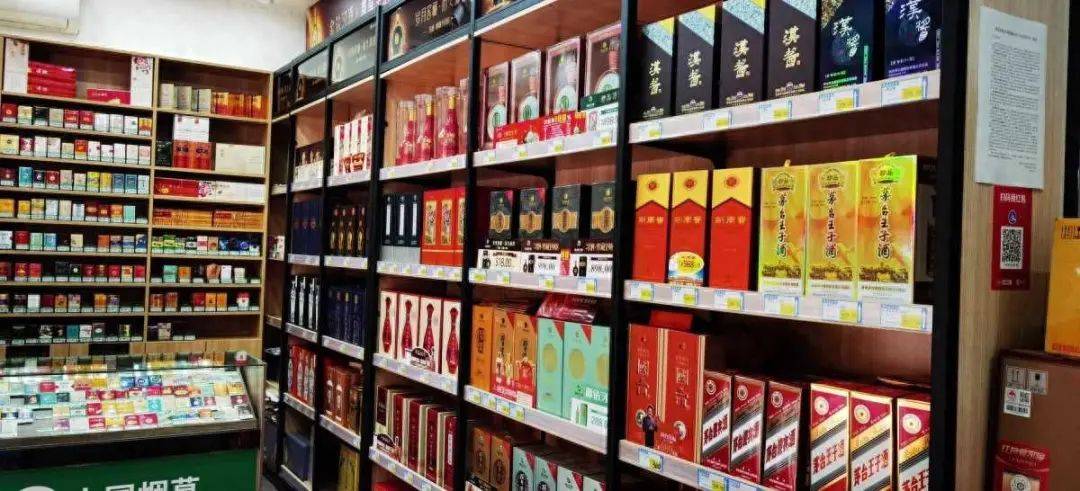
Core Insights - The traditional liquor store channel has been a core part of the liquor industry, but it is facing significant challenges due to reduced consumption scenarios and the emergence of new retail formats [1] - Liquor store owners are experiencing severe competition and internal market pressure, leading to low profit margins and a struggle to retain customers [3][5] Market Conditions - Liquor stores are experiencing a decline in customer traffic, with some stores reporting as little as one customer in half an hour [6][9] - There is a notable shift in consumer behavior, with many opting for lower-priced liquor options, leading to a decrease in sales of higher-end products [7] Competition and Pricing - The market is characterized by severe product homogeneity, with many stores selling similar well-known brands, resulting in price wars and reduced profit margins [3][10] - New entrants in the market are engaging in zero-profit sales to attract customers, exacerbating the competitive landscape [5] Impact of E-commerce - Online retail is significantly impacting brick-and-mortar liquor stores, with many consumers preferring the convenience and lower prices offered by e-commerce platforms [10][11] - Wholesale markets are also beginning to sell directly to consumers at wholesale prices, further diminishing the competitive edge of traditional liquor stores [10] Future Directions - Experts suggest that liquor stores need to innovate and diversify their offerings to survive, including expanding into convenience goods, upgrading store formats, and creating cultural experience venues [14][15] - Some liquor stores are already adapting by enhancing their store environments and adding complementary services, such as food and ticket sales, to improve customer experience and retention [14][15]