
Leveraged Buyouts

Search documents
X @Bloomberg
Bloomberg· 2026-03-05 11:12
Banks are issuing significant risk transfers at a record pace as they use the tool to hedge a wider range of loans, including leveraged buyouts and fund financing https://t.co/kBY5bEOyXD ...
Private credit concerns are not overblown, says Verdad's Dan Rasmussen
CNBC Television· 2026-02-27 20:34
Let's bring in Dan Res Muen. He's the founder and portfolio manager at Verdad Capital. Dan, really appreciate it.And it's important to set the stage here because in some ways there were going to be problems or or the sort of problems were going to come home to roost in private equity one way or the other. And we thought it was going to be from higher interest rates. you know that that in many ways was going to be the no one really saw oh by the way the thing they invested in private equity and credit over t ...


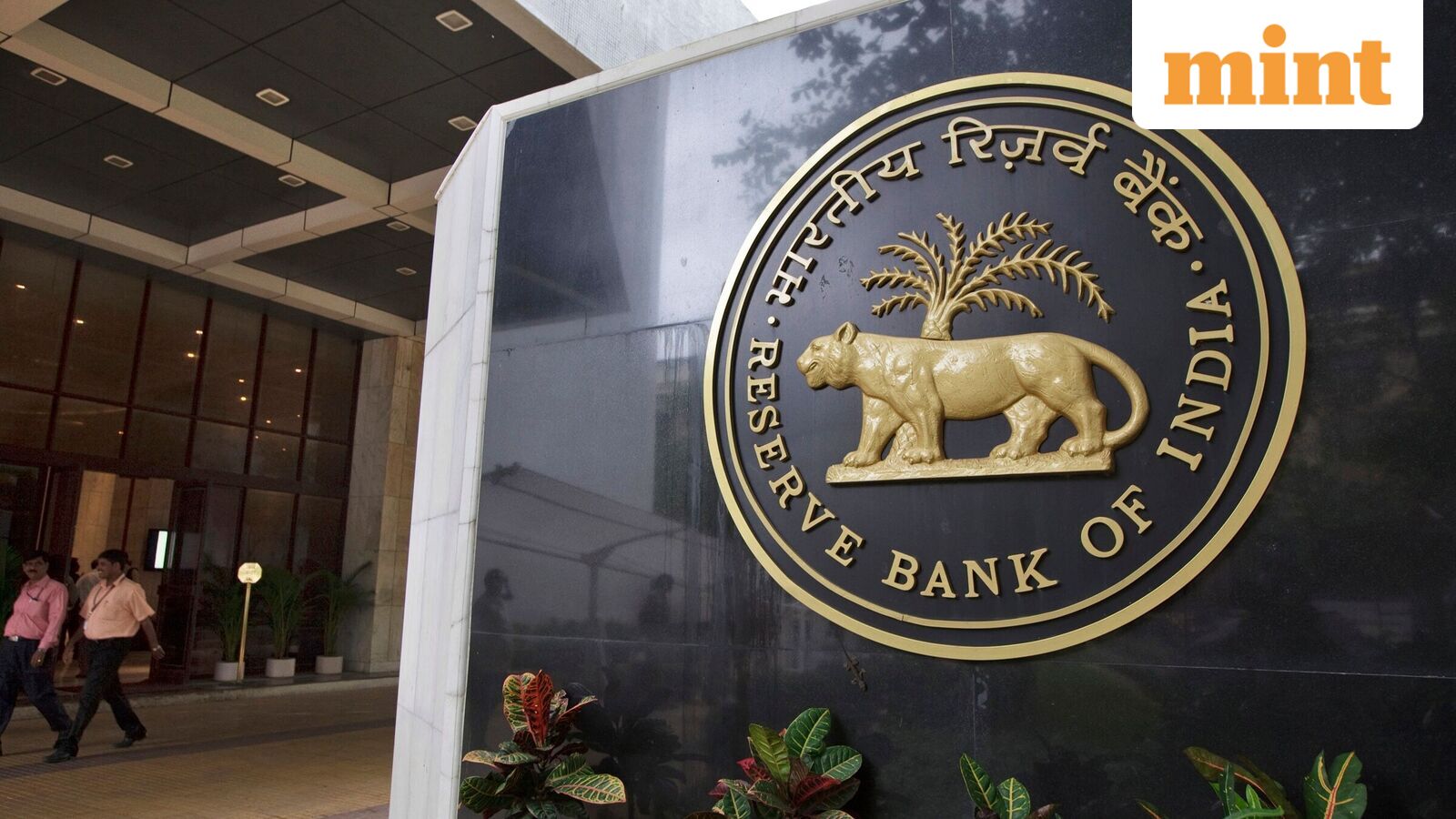
RBI nod for leveraged buyouts fails to evoke banker enthusiasm; mixed response to broker lending norms
MINT· 2026-02-16 00:28
Core Viewpoint - The Reserve Bank of India's (RBI) new guidelines on acquisition financing are designed to facilitate mergers and acquisitions by allowing banks to provide funding under specific conditions, although the complexity of these conditions may deter some banks and borrowers [2][3][5]. Group 1: Acquisition Financing Guidelines - The RBI has permitted banks to fund acquisitions when the acquirer already controls the target company, increasing the stake from 26% to up to 90% [2]. - For listed companies, borrowers must have a minimum net worth of ₹500 crore and three consecutive years of net profits, while unlisted entities require an investment-grade credit rating [3]. - The cap on acquisition financing exposure has been raised to 20% of a bank's eligible capital base from the previously proposed 10% of Tier-1 capital [3][4]. Group 2: Industry Response - Experts believe the new guidelines are more accommodating than the draft, allowing 75% of the acquisition to be funded by banks, with 25% required from the acquirer's equity [5]. - Some bankers express concerns that the numerous conditions may limit the freedom of bank boards and complicate the financing process [6][7]. - There is a sentiment that the guidelines could lead to the creation of specialized M&A teams within banks to handle the complexities of these transactions [8]. Group 3: Broker Funding Rules - The RBI has tightened collateral requirements for bank funding to brokers, mandating that bank guarantees be supported by at least 50% tangible collateral, including cash and high-quality liquid assets [11][12]. - Proprietary trading exposure must now be fully secured with specified high-quality collateral, moving away from reliance on personal or corporate guarantees [12]. - This change is expected to enhance the resilience of the banking system and reduce stress transmission during market volatility [13]. Group 4: Market Impact - Analysts suggest that the impact on trading volumes may be minimal for well-capitalized brokers who maintain strong liquidity buffers [14]. - Proprietary traders accounted for 29.7% of gross turnover on the National Stock Exchange's cash segment in 2025, indicating their significant role in the market [15]. - However, there are concerns that the shift in collateral requirements could reduce activity among prop traders, potentially affecting market volumes [16].
X @Bloomberg
Bloomberg· 2025-09-27 19:08
Massive leveraged buyouts. An ever-growing pile of risky debt. Early signs that subprime consumers are falling behind https://t.co/BHB5FpJlfD ...
Private Credit Market Shows Resilience in a Volatile Middle Market : Analysis
Crowdfund Insider· 2025-09-21 21:50
Core Insights - The private credit landscape is evolving, demonstrating adaptability amid economic challenges, with a notable shift from traditional lending to private credit as a primary financing mechanism for middle-market companies [1][2] Group 1: Market Dynamics - Direct lenders are increasingly stepping in where banks are unable to provide financing, particularly due to macroeconomic uncertainties and tariff policies [2][4] - The private credit sector is experiencing a resurgence in deal activity, particularly in refinancings and growth financings tailored to middle-market needs [5][12] Group 2: Notable Transactions - ABC Technologies secured a $2.3 billion loan package to refinance existing syndicated debt, consisting of a $1.6 billion senior term loan and a $675 million junior tranche [3] - Sapiens International Corporation locked in a $1.145 billion debt stack to support Advent International's $2.5 billion buyout, highlighting private credit's role in leveraged buyouts [7][8] - Liquid Tech Solutions initiated an $807.5 million term loan B to replace prior private credit arrangements, indicating ongoing refinancing activity in the sector [5] Group 3: Financial Metrics - Middle-market private credit issuance increased by 12% week-over-week, reaching $4.2 billion across 15 deals, reflecting a robust demand for private credit solutions [12] - Leverage multiples averaged 5.2x EBITDA, down from 5.8x in the previous quarter, indicating a cautious approach from lenders [13] - Spreads remained steady at 650-750 basis points over SOFR, with 70% of volume in unitranche structures, which are preferred for their speed in financing sub-$1 billion borrowers [13] Group 4: Future Outlook - The thawing of tariff effects could potentially unlock $50 billion in stalled syndications, suggesting a positive outlook for the private credit market [14] - With $1.5 trillion in dry powder, direct lenders are well-positioned to capture additional market share, offering solutions that traditional banks may not be able to match [14]

X @Investopedia
Investopedia· 2025-08-12 11:30
Overview of Leveraged Buyouts (LBOs) - Explores leveraged buyouts (LBOs) as a financial acquisition strategy [1] - Discusses how LBOs work [1] - Highlights the benefits of LBOs [1] Scope of the Report - Offers a comprehensive look into LBOs [1] - Provides real-world examples of LBOs [1]