
Medical inflation

Search documents
Healthcare costs are eating into Social Security checks
Yahoo Finance· 2026-02-14 13:00
Core Insights - Healthcare costs are significantly impacting Social Security income for retirees, with out-of-pocket expenses being much higher than anticipated [1][2] - A substantial portion of retirees' income is consumed by healthcare expenses, with about one-third of Social Security income and nearly a quarter of total income going towards these costs [2] - Social Security serves as the primary income source for many seniors, with approximately 50% relying on it for at least half of their income, and 27% depending solely on it [3] Healthcare Costs and Social Security - The average monthly Social Security benefit is estimated at $2,071, but women receive about 25% less than men due to various factors including lower lifetime earnings [3][4] - Healthcare costs are projected to continue rising, with Medicare premiums increasing significantly, outpacing inflation [5][7] - Medical inflation is expected to grow at a rate of 5.8%, which is more than double the projected 2.4% increase in Social Security cost-of-living adjustments [8][9] Future Projections - The financial burden of healthcare on Social Security checks is anticipated to worsen, with experts indicating that retirees will face increasing medical costs in the coming years [5][8] - Specific examples include the monthly Part B premium rising to $202.90 in 2026, reflecting a $17.90 increase from the previous year, and the annual deductible increasing to $283 [7]
UnitedHealth Says Trump's 2027 Medicare Rates 'Profoundly Negative' For Seniors
Benzinga· 2026-01-27 19:36
Core Viewpoint - UnitedHealth Group, Inc. experienced a significant stock decline of 20% in one day due to disappointing fourth-quarter earnings and a low 2027 rate proposal from the Centers for Medicare & Medicaid Services (CMS) [1][2]. CMS Rate Shock - The CMS 2027 Advance Notice proposed a net payment increase of only 0.09%, a stark contrast to analyst expectations of 4% to 6%, effectively acting as a budget cut in the context of medical inflation running between 7% and 10% [3]. - UnitedHealthcare Unit CEO Timothy Noel criticized the CMS notice for failing to reflect the realities of medical utilization and cost trends, emphasizing the need for a more appropriate final growth rate calculation [4]. Financial & Operational Strain - CEO Stephen Hemsley highlighted that the CMS rate proposal would lead to significant benefit reductions across the industry, impacting seniors' choices, access, and affordability [6]. - The stock performance of health insurers was broadly negative, with CVS Health Corp. and Humana, Inc. also experiencing declines of 14% and 19%, respectively [7]. - UnitedHealth's Medical Care Ratio (MCR) approached 90%, indicating that nearly 90 cents of every dollar in premiums is spent on medical claims, driven by high utilization in behavioral health and specialty drugs [7]. - GAAP earnings for the fourth quarter plummeted nearly 100% to just one cent per share, primarily due to restructuring charges and ongoing costs from a cyberattack [7]. - The company anticipates losing up to 1.4 million Medicare Advantage members in 2026 as it shifts focus from growth to profit margins [7].


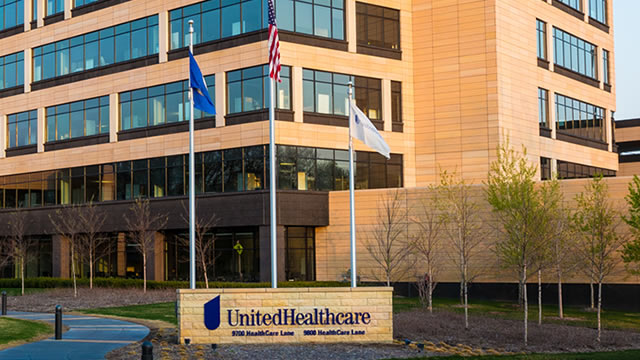
UNH Battles MCR, Optum Bandages: But the Real Wild Card is Washington
ZACKS· 2025-11-28 14:51
Core Insights - UnitedHealth Group Incorporated (UNH) is experiencing increased pressure on profitability due to a rising medical care ratio (MCR), which reached 89.9% in Q3 2025, up from 85.2% a year prior, driven by persistent medical inflation and unpredictable utilization trends [1][8] - The Optum division is a significant growth driver, with revenues increasing by 8.2% year over year to $69.2 billion, representing over 61% of total company sales [1][8] - Regulatory scrutiny surrounding Optum Rx, the pharmacy benefit management arm, has raised concerns among investors, as any potential regulatory actions could impact the broader business [2][8] Company Performance - The MCR increase is pressuring profitability, with Optum Rx contributing 57.4% of Optum's revenues [2][8] - The Zacks Consensus Estimate for UnitedHealth's 2025 earnings is projected at $16.29 per share, indicating a 41.1% decline from the previous year [11] - UnitedHealth's stock has declined by 34.8% year-to-date, compared to a 29% decline in the industry [7][8] Industry Context - Peers such as Centene Corporation and Elevance Health are also facing challenges from rising medical costs, leading to downward revisions in their 2025 outlooks [5][6] - Centene's health benefits ratio increased to 92.7%, reflecting a 27% rise in medical expenses, while Elevance's benefit expense ratio rose to 91.3% [6] - The expiration of enhanced Affordable Care Act subsidies at year-end could lead to higher premiums for millions, prompting potential shifts in enrollment patterns across insurance products [3][4]

This Medicare premium just crossed $200 a month for the first time. Here’s why.
Yahoo Finance· 2025-11-22 13:30
Core Insights - Medicare Part B premiums will increase by 9.7% in 2026, rising to $202.90 from $185.00 in 2025, primarily due to medical inflation and a growing number of individuals requiring expensive care [1][2] Medicare Spending Growth - The government attributes the largest-ever dollar increase in premiums to projected growth in overall healthcare spending, with Medicare spending expected to rise by 8.9% in 2026 and 2027, surpassing the general health spending growth of 5.6% [2] Key Cost Drivers - Physician-administered drugs, such as Merck's Keytruda and Regeneron's Eylea, represent a significant portion of Medicare Part B spending, although fluctuations in individual drug costs are not expected to significantly impact premiums in 2026 [3] Premium Calculation Factors - The Centers for Medicare and Medicaid Services (CMS) determines Part B premiums based on projected spending and the status of the Medicare trust, which can include adjustments for higher-than-expected spending from the previous year [4] Influencing Factors for Medicare Spending - Various factors can affect Medicare spending, including the introduction of expensive new drugs and the rising costs associated with managed care, particularly as more individuals opt for Medicare Advantage plans [5] Demographic Trends - An aging population is leading to increased healthcare needs and costs, with many individuals still seeking care that was delayed during the pandemic [6]
Untapped potential in the Philippines as health insurance penetration is low
Yahoo Finance· 2025-10-10 15:04
Core Insights - Medical expenses in the Philippines are rising significantly, with a majority of citizens lacking health insurance, presenting opportunities for medical insurers to introduce more flexible healthcare plans [1][2] - Only 33.9% of Filipinos currently hold private health insurance, leaving a large portion of the population vulnerable to high medical costs [1] - Healthcare costs in the Philippines are projected to increase by 18.3% in 2025, one of the highest rates in the Asia-Pacific region, highlighting the growing relevance of health insurance [2] Industry Opportunities - The National Health Insurance Program (NHIP) provides limited coverage, often leaving patients with substantial out-of-pocket expenses, creating a market for private health insurance to complement NHIP [2] - Oona Insurance has launched new products targeting different segments: Global Shield for internationally mobile Filipinos with coverage up to $2 million, and Purple Shield for families in the Philippines with coverage up to $86,000 [2] - Digital platforms are becoming essential for insurance providers to reach consumers effectively, especially in rural areas, with a preference for direct purchases from insurers noted among Filipinos [2] Consumer Preferences - A significant portion of private health insurance policyholders (25%) purchase directly from insurers, followed closely by financial advisors (23.8%), indicating a trend towards direct engagement [1] - Despite the growing trend of online purchasing, 73% of citizens prefer face-to-face interactions when buying insurance, presenting a challenge for digital-first insurers to build trust and ensure a seamless customer experience [2]