Mortalidad

Search documents
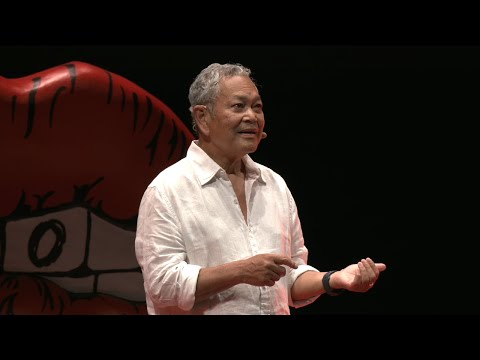
El arte del buen morir: aprendiendo a relacionarnos con la muerte | Tew Bunnag | TEDxCadizUniversity
TEDx Talks· 2025-07-01 16:39
Core Argument - The discourse emphasizes the importance of preparing for death, both intellectually and practically, highlighting the frequent lack of preparation and denial observed in end-of-life care [1] - It advocates for open conversations about death preferences, advance care planning (such as living wills), and addressing emotional and spiritual needs [1][10] - The discussion contrasts the fear and chaos arising from unpreparedness with the peace and courage seen in individuals who have embraced their mortality [1][6][7] Philosophical & Psychological Aspects - The text explores the interconnectedness of life and death, challenging the common dichotomy and urging acceptance of death as a natural part of life [3] - It suggests that avoiding the topic of death stems from fear and ignorance, advocating for death education as a crucial part of overall education, even for children [4] - The analysis posits that confronting mortality can humanize individuals, foster empathy and compassion, and enhance the appreciation of life [16][17] Practical Preparation & Support - The report underscores the significance of addressing pending matters, including legal (wills), emotional (forgiveness), and spiritual aspects, to facilitate a "good death" [10] - It highlights the role of palliative care and trained support in ensuring a peaceful and dignified end-of-life experience [9] - The document emphasizes that preparation for death is a lifelong process, involving living in the present, acknowledging mortality, and minimizing harm [13][14][18] Illustrative Examples - The analysis provides examples of individuals who faced death with preparation and courage, positively impacting their families and serving as models for others [6][7] - It contrasts these positive experiences with the regret and emotional burden carried by those who have caused harm, illustrating the importance of living a life free from remorse [18] - The narrative emphasizes that preparing for death is not about dwelling on morbidity but about lightening one's load for the final journey [19]