Oil Market Volatility

Search documents
Trump Planned for Big Oil’s Global Dominance. Then He Went to War With Iran
Yahoo Finance· 2026-03-22 12:00
Core Viewpoint - The ongoing conflict in Iran is impacting the oil industry, creating both opportunities and risks for major companies like Exxon, Chevron, and Shell, as they navigate fluctuating oil prices and geopolitical tensions. Group 1: Impact of the Iran Conflict - The Trump administration has engaged with oil executives to discuss strategies for lowering oil prices and increasing supply amid the war in Iran [1] - The conflict has disrupted tanker traffic through the Strait of Hormuz, affecting oil and gas output in the region, which is critical for energy executives [3] - The war has led to heightened risks and costs for overseas expansion, complicating long-term investment strategies for oil companies [5][12] Group 2: Market Dynamics and Company Strategies - Companies like Exxon and Chevron are regaining access to oil-rich countries such as Venezuela and Iraq, which are seen as key to replenishing their portfolios as US shale production slows [2][9] - Despite a recent surge in crude prices, the volatility of the market poses challenges for energy companies looking to invest in new projects [5][10] - The energy sector has outperformed the S&P 500 Index, with major companies trading at all-time highs, reflecting the current favorable pricing environment [10] Group 3: Future Outlook and Investment Considerations - The ongoing conflict is expected to create a "security premium" in oil prices, which may alter investment strategies in the Middle East [3][13] - The potential for increased risk premiums will likely shift focus towards shale and Canadian oil sands, as companies reassess their investment landscapes [13] - The White House maintains that the energy industry will ultimately benefit from the actions taken regarding Iran, as it aims to secure the Strait of Hormuz [15]


Staying Nimble on Crude Oil's Volatile Market Reach & Gauging Supply Constraints
Youtube· 2026-03-18 00:00
Core Viewpoint - The energy market, particularly crude oil, is currently experiencing significant volatility, impacting various commodities and financial instruments, with a strong correlation observed between oil prices and other markets like wheat [2][4][5]. Oil Market Dynamics - Crude oil prices are expected to face volatility in the coming months, with historical patterns suggesting a potential peak around mid-April, after which a decline may occur [6][7]. - The current market is characterized by backwardation, where front-month prices are higher than those for later months, which could indicate bearish sentiment in modern trading contexts [9][10]. Supply and Demand Factors - The oil market is influenced by supply dynamics, including the potential for increased production from Venezuela and OPEC pledging additional barrels, which may lead to a more balanced supply situation [17][18]. - Despite current headlines about production slowdowns and geopolitical tensions, the market may be overreacting, and there is a possibility of more oil coming online than anticipated [16][17]. Future Price Expectations - In an ideal scenario, oil prices could drop to the $30 to $40 range by the end of the year or early next year, although this is not guaranteed [19]. - The market is navigating a complex landscape, with various factors at play that could influence future pricing and supply stability [15][18].

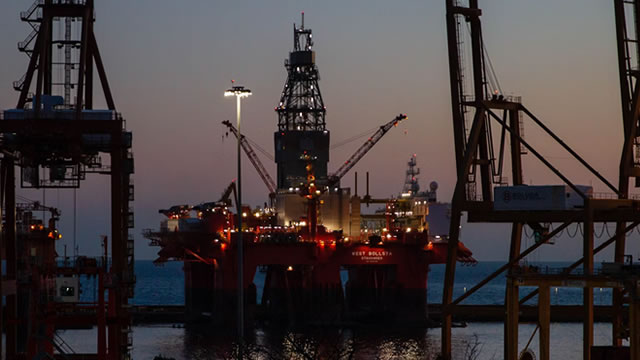
原油监测:霍尔木兹海峡日阻断量 1100-1600 万桶 国际能源署释放 4 亿桶原油并准备进一步释放-Oil Monitor Amid 11-16-m bd Strait of Hormuz blockage IEA releases 400-m bbls of oil and stands ready to release more
2026-03-13 04:46
Summary of Key Points from the Conference Call Industry Overview - The conference call primarily discusses the oil industry, focusing on the current situation in the Strait of Hormuz and its impact on oil prices and production levels [1][3][10]. Core Insights and Arguments - **Oil Price Volatility**: Oil prices are highly volatile, fluctuating between $84 and $117 per barrel, with a current price around $93 as geopolitical tensions escalate [1]. - **Production Disruptions**: Approximately 6-7 million barrels per day (b/d) of oil production have been shut in due to disruptions in the Strait of Hormuz, which is currently experiencing a blockage of over 90% [1][9][10]. - **IEA Emergency Release**: The International Energy Agency (IEA) has announced a record emergency release of 400 million barrels of oil, which could cover four weeks of disrupted flows from the Strait [1][14]. - **Potential Drawdown Rates**: The IEA's theoretical maximum drawdown rate could reach 24 million b/d for a month, although historically observed rates are much lower, typically around 2 million b/d [1][17]. - **Geopolitical Risks**: There is a significant risk of escalation in the region, which could lead to attacks on energy infrastructure, reminiscent of oil shocks from the 1970s [5]. Additional Important Content - **US and G7 Response**: The US and G7 countries are coordinating to provide safety valves for the oil market, including the IEA's strategic stock release [3][20]. - **Regional Production Cuts**: Gulf producers, including Saudi Arabia, Iraq, Kuwait, and the UAE, have progressively reduced oil production due to export constraints [10]. - **Indian and Chinese Market Dynamics**: India is expected to increase its purchases of Russian oil, while China may reduce its stockpiling activities, which could provide further relief to the oil market [11][23]. - **US Oil Inventory Changes**: US commercial crude oil inventories rose by 3.8 million barrels, while gasoline and diesel stocks fell, indicating a complex supply-demand dynamic [24][26][27]. - **Price Forecast Adjustments**: The oil price forecasts for 1Q, 2Q, and 3Q 2026 have been revised upwards, with a baseline price range of $80-100 per barrel expected in the coming weeks [12][20]. This summary encapsulates the critical points discussed in the conference call, highlighting the current state of the oil industry, geopolitical influences, and market responses.

Oil Advances as Amped Up Iran Rhetoric Outweighs Release Plan
Yahoo Finance· 2026-03-11 19:15
Group 1 - Oil prices experienced volatility as traders assessed the impact of an emergency release of crude reserves by wealthy nations amid escalating disruptions to Middle East supplies [1][2] - The International Energy Agency announced a release of 400 million barrels, with the UK contributing 13.5 million barrels, marking the largest drawdown since the Russia-Ukraine conflict [1][2] - The closure of the Strait of Hormuz, which typically handles 20% of global crude flows, has led to significant output cuts from major Persian Gulf producers [2] Group 2 - Recent fluctuations in oil prices were influenced by mixed messages from the White House regarding the status of the conflict in Iran, with Brent trading near $91 and West Texas Intermediate near $86 [4] - The market reacted to conflicting statements from the Trump administration, including erroneous claims about US Navy operations in the Strait of Hormuz, contributing to price declines [5][6] - Analysts noted that the market is increasingly focused on the disrupted oil volume due to the unsafe transit conditions in the Strait [4]
Why Iran Is Moving Oil Markets
CNBC· 2026-01-23 19:01
I cover energy here at CNBC and here's what you need to know about Iran's role in the global oil markets. Iran pumps around 3.4% million barrels per day. By comparison, Saudi Arabia almost triples that at 9.5% million barrels and the U.S. pumps even more, about 13.5% million barrels per day.On top of that, existing sanctions due to disputes around Iran's nuclear program means that Iran's exports can't be sold on the open market. China has essentially become the lone buyer of Iranian barrels. What the sancti ...
No immediate impact seen on India’s oil supplies, prices
The Times Of India· 2026-01-04 22:27
Developments in Venezuela are unlikely to immediately impact India's oil supplies or prices, as Venezuelan crude has been largely absent from global markets due to US sanctions. While bilateral engagement has weakened, experts suggest India could diversify its sources if Venezuelan oil re-enters the market, potentially offering a sentimental impact on emerging market currencies.To begin with, the US-led sanctions on Venezuela have meant that oil flowing into the global markets, including India, has come dow ...


Iran could return to 2019 playbook and hit crude oil targets in Middle East, says RBC's Helima Croft
CNBC Television· 2025-06-18 22:25
Geopolitical Risk & Oil Market Impact - The market perceives a 50/50 chance of US airstrikes on Iran's Fordo enrichment facility, potentially escalating regional conflict [3] - US intervention could prompt Iran to deploy short-range missiles against regional facilities in the Gulf and attack ships, mirroring the 2019 playbook [4][5] - Iran's 2019 actions, including targeting tankers and Saudi Arabia's Abqaiq facility (taking off half of Saudi Arabia's production temporarily), serve as a warning [5] - If Iran perceives an existential threat, it may disregard China's concerns and curtail energy supplies, prioritizing imposing costs on the US [9][10] Potential for Sustained Oil Price Spike - Major Middle East conflicts have historically caused multi-month or year-long disruptions of over 1 million barrels per day [13] - Iranian-backed militias in Iraq pose a risk to Iraq's energy facilities, which produce around 4 million barrels per day [14] - Despite the US Fifth Fleet's presence, Iran could mine the Straits of Hormuz or target oil tankers, disrupting oil transit [14][15] - Reports indicate Iran is aggressively jamming ship transponders, with Qatar Energy and the Greek shipping authority issuing warnings about traversing the Straits of Hormuz [15] Economic Consequences - Higher oil prices would negatively impact the US consumer and hinder President Trump's efforts to reduce inflation [8]