
Oil supply disruptions

Search documents
Oil prices surge 15% as Strait of Hormuz disruptions tighten supply
Yahoo Finance· 2026-03-09 09:40
Core Insights - Oil prices surged approximately 15% to their highest level since July 2022, driven by escalating tensions among the US, Israel, and Iran, leading to production cuts by major Middle Eastern producers [1][2] Group 1: Oil Price Movements - Brent crude futures increased by $15.51 or 16.7%, reaching $108.20 per barrel, while US West Texas Intermediate (WTI) crude futures rose by $14.23 or 15.7% to $105.13 per barrel [2] - The conflict has disrupted shipments through the Strait of Hormuz, which is responsible for about 20% of the world's daily oil supply, causing some refineries to halt operations and tightening regional supply [2] Group 2: Production Cuts and Supply Chain Issues - Iraq's oil production has plummeted by 70% to 1.3 million barrels per day due to export limitations through the Strait of Hormuz [4] - Kuwait Petroleum Corporation has begun reducing oil output and declared force majeure for its shipments, although the extent of the cuts remains unspecified [4] - The UAE and Saudi Arabia may also need to reduce production soon due to limited storage capacity, which could lead to prolonged high fuel prices globally [3] Group 3: Regional Conflicts and Infrastructure Damage - Iran has continued its attacks on regional oil infrastructure, with recent strikes targeting key facilities in Tehran, resulting in casualties and damage to oil distribution [5][6] - A fire in the UAE's Fujairah oil zone was reported, although no injuries occurred, indicating ongoing risks to oil infrastructure in the region [5]
Oil Rises Amid Lingering Prospects of Supply Disruptions
WSJ· 2026-03-04 02:27
Core Viewpoint - Oil prices have increased in early Asian trading due to escalating tensions in the Middle East and the associated risks of oil supply disruptions [1] Group 1 - The rise in oil prices is attributed to heightened geopolitical tensions in the Middle East [1] - Commerzbank Research has highlighted the potential for disruptions in oil supply as a significant factor influencing market dynamics [1]


Oil Rises Amid Lingering U.S.-Iran Tensions
WSJ· 2026-02-11 01:24
Core Viewpoint - Oil prices increased during the early Asia session due to ongoing tensions between the U.S. and Iran, which may result in supply disruptions [1] Group 1 - The rise in oil prices is attributed to geopolitical factors, specifically the tensions between the U.S. and Iran [1]
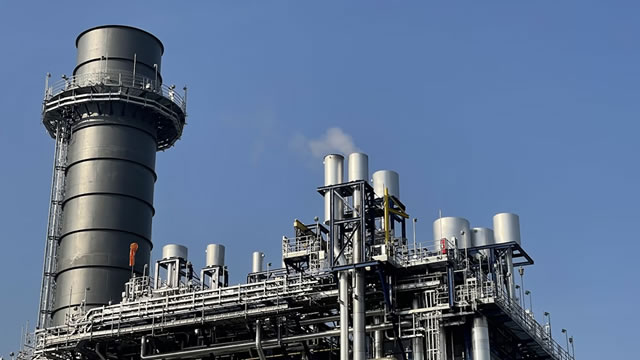
Analysis: Oil extends gains as escalating US-Iran tensions threaten $15+ surge
Invezz· 2026-02-04 05:58
Core Viewpoint - Oil prices are rising due to escalating tensions between the US and Iran, which are raising concerns about potential supply disruptions [1] Group 1: Market Impact - Oil prices extended gains on Wednesday amid fears of supply disruptions linked to US-Iran tensions [1] - The renewed tensions have emerged following the US's recent actions, which have heightened market volatility [1] Group 2: Geopolitical Context - The situation reflects a broader geopolitical risk that could affect oil supply chains and pricing in the global market [1] - Increased military presence and rhetoric from both nations may lead to further instability in oil-producing regions [1]
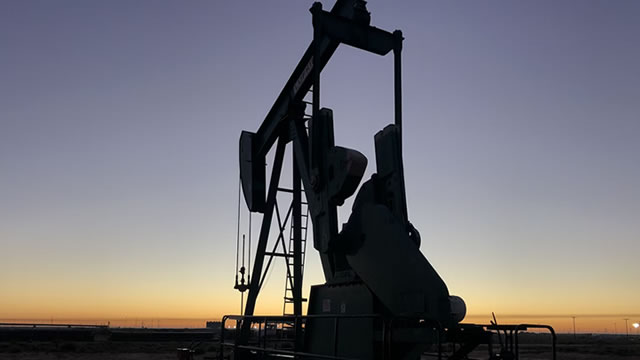
Oil Prices Retreat On U.S.-Iran Talks. This Supermajor Is Downgraded.
Investors· 2026-02-02 13:12
Core Viewpoint - U.S. oil prices have retreated from multi-month highs due to ongoing U.S.-Iran negotiations that may prevent potential oil supply disruptions [1] Group 1: Oil Prices - West Texas Intermediate oil futures fell more than 5% to below $62 per barrel [1] - The decline in oil prices is attributed to the potential easing of tensions between the U.S. and Iran [1] Group 2: Company Analysis - Analysts downgraded Chevron (CVX) prior to the stock market opening following its fourth-quarter earnings report [1] - Chevron and Exxon Mobil reported fourth-quarter earnings, but only one supermajor saw profit growth [1]
