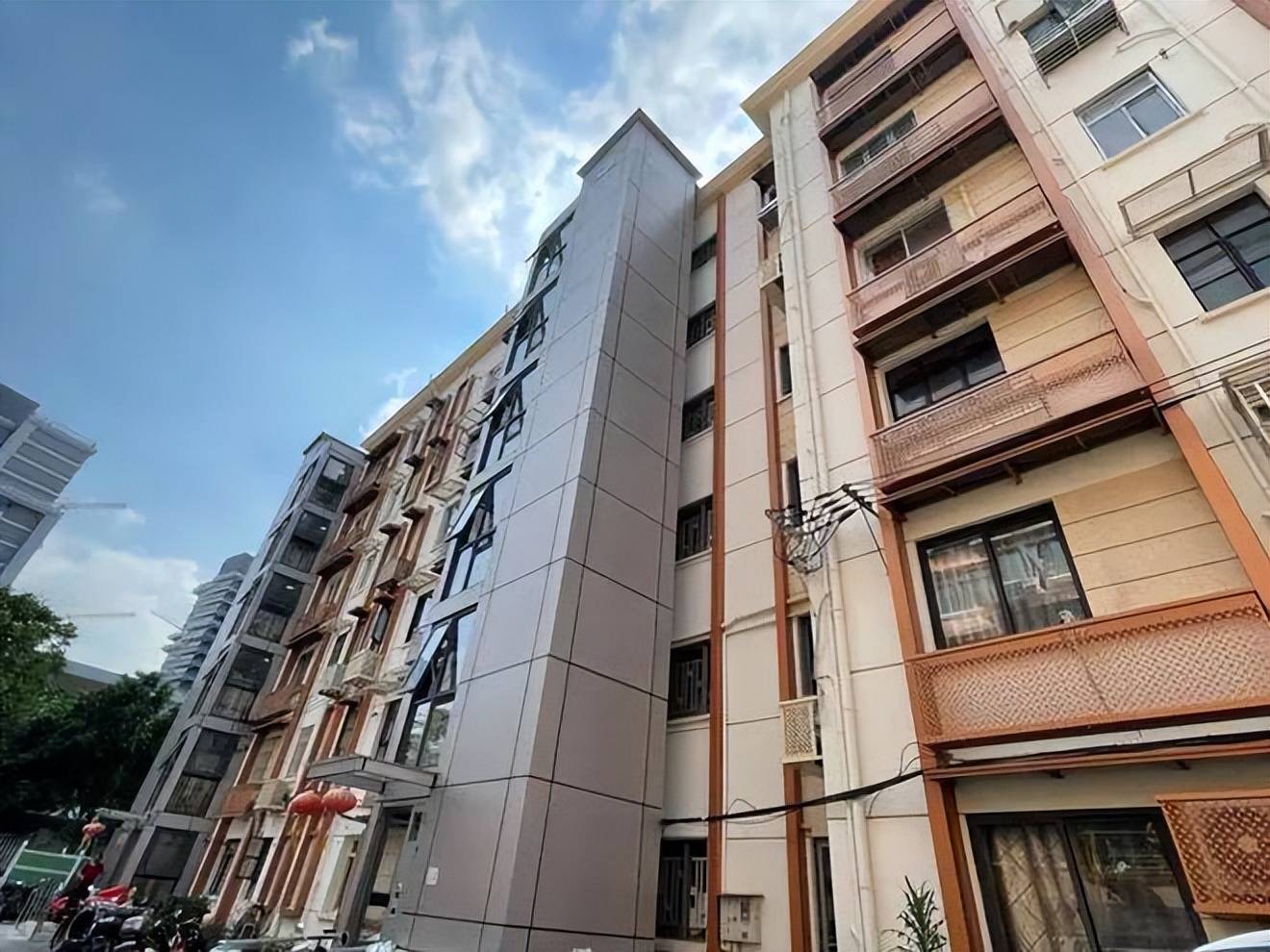
Old Community Renovation

Search documents
买房套路翻新潮,老破大吃香了?本地中介爆猛料.
Sou Hu Cai Jing· 2025-08-25 13:24
Group 1 - The core trend in the real estate market is a shift in buyer preferences towards larger old apartments, while three-bedroom units are experiencing low demand [1][4] - The price difference between second-hand and new homes can reach 25%, with some old apartments being significantly cheaper, making them attractive to buyers [1] - The loosening of bank lending policies for older properties, allowing loans of up to 60% for homes over 15 years old, is contributing to the appeal of larger old apartments [1] Group 2 - There is an increasing interest in large apartments (over 144 square meters) despite potential property tax trials in some cities, as buyers anticipate higher compensation from future redevelopment [3] - Buyers are favoring older neighborhoods with established amenities over new developments, which often lack essential services and transportation [4] - Some investors are targeting old large apartments for speculation, expecting to profit from future renovations, although caution is advised regarding properties in less desirable locations [4]


加装电梯后,高层住户后悔了,房子没增值,还迎来3个新问题
Sou Hu Cai Jing· 2025-05-05 10:23
Group 1 - The core viewpoint highlights the stagnation and decline of new urban districts as the real estate market cools, leading to difficulties in daily life for residents in these areas [2] - Old residential communities over 20 years old are facing significant challenges, including deteriorating infrastructure and outdated designs, resulting in declining market prices [3] - In major cities like Shanghai, despite a slight recovery in the second-hand housing market, old properties continue to see price drops, with some properties decreasing from 1 million to 400,000 [3] Group 2 - The government is beginning to focus on urban renewal, with plans to complete the renovation of old residential communities built before 2000 by 2025, which includes infrastructure upgrades [5] - The installation of elevators in old buildings is seen as a key solution for improving living conditions, but it faces resistance due to differing interests between low and high-floor residents [5] - The financial burden of elevator installation and maintenance falls partially on homeowners, particularly affecting those on higher floors, leading to increased economic pressure [7] Group 3 - Some old communities that have installed elevators have not seen an increase in property values, with potential buyers concerned about structural integrity and additional maintenance costs [10] - The overall depreciation of old communities can overshadow the potential value added by renovations, making it crucial for buyers to carefully assess living costs and future depreciation risks [10] - The policy push for renovating old communities presents new opportunities, but uncertainty remains regarding their future market performance, especially for properties over 15 years old [10]