Pensamiento crítico

Search documents
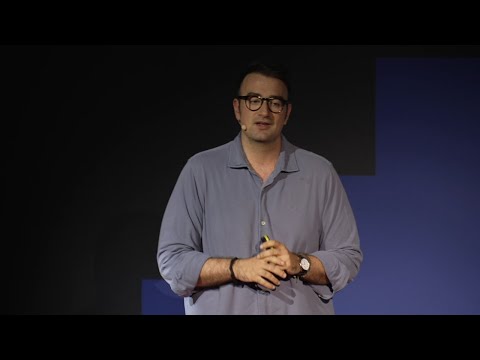
Lo que perdemos cuando dejamos de preguntar | Aranza Bedolla | TEDxUDLAP
TEDx Talks· 2026-02-17 16:43
La lectura es uno de los hábitos más importantes para el ser humano. Es a través de él que pasamos nuestro conocimiento de generaciones en generaciones sin hablar. Aranza Bedolla, conocida como Entre Letras, nos platica en esta conferencia acerca de la importancia de cuestionarnos cuando aprendemos. Cuestionarnos nuestro entorno cada que se pueda es una herramienta crítica. Desde libros de fantasía hasta libros que cuestionan nuestra realidad, todas esas historias fantásticas nos llevan a algún lugar. Insta ...

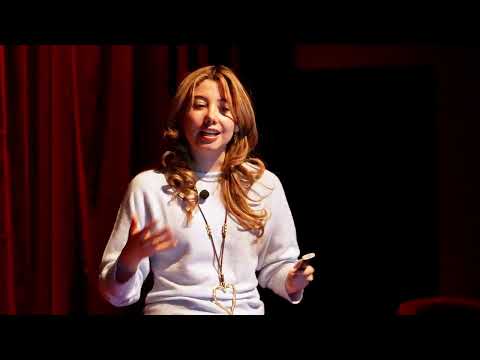
La Inteligencia es Humana | Francisco Moralejo | TEDxGuatemala City
TEDx Talks· 2026-01-29 17:24
Buenas noches a todos. ¿Cómo están. Dicen que la inteligencia artificial puede hacer de todo.Eso dicen, puede dudar. puede sentir asombro. Hoy en día lo que sí sabemos es cuánto lo usa la gente.Lo usa para todo. De hecho, lo más sonado es oír a los chiquillos o a la gente de la universidad que están usándolo para hacer sus tareas y las entregan rapidísimo. O lo escuchamos como la semana pasada sobre, digamos, periodistas que publicaron artículos hechos con inteligencia con inteligencia artificial y se les o ...
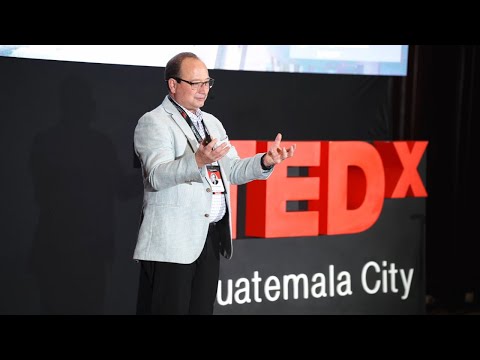
Amor por la verdad | Gustavo Román | TEDxPuraVida
TEDx Talks· 2025-08-15 15:25
Political & Economic Analysis - The Brexit vote in 2016 resulted in unfulfilled promises, including a stagnant economy, reduced GDP, political instability, and no decrease in non-European immigration [2] - Post-truth and misinformation are major global risks, impacting convivencia and reducing the ability to control power [4][6][7] - Disinformation undermines knowledge, potentially risking survival by influencing beliefs on issues like climate change and vaccinations [9][10] Societal Impact - The primary searches on Google after the Brexit vote were about understanding the EU, highlighting a lack of prior knowledge [3] - Digital platforms are being used to spread anger, fear, and envy, hindering constructive dialogue [7] - The erosion of truth can lead to a loss of freedom, placing citizens at the mercy of those in power [8] Proposed Solutions - Regulation of platform companies is needed to combat misinformation, including banning automated accounts [12][13] - Protecting professional journalism is crucial for a functioning democracy [13] - Media and digital literacy should be integrated into basic education to build resilience against manipulation [14][15] - Personal responsibility, including a love for truth and a willingness to consider diverse perspectives, is essential [16][17][20]
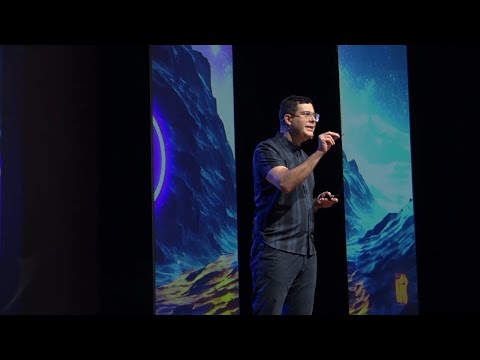
Por qué las RRSS nos han hecho odiar la verdad | Fernando de Lis | TEDxUFV
TEDx Talks· 2025-06-26 15:01
Core Argument - The speech addresses the concept of "post-truth," defined as the distortion and manipulation of facts to evoke emotions and influence actions [5][6][8] - The speaker argues that post-truth has been used throughout history, but its impact is amplified by modern media and social networks [8][12] - The speech emphasizes the importance of critical thinking, questioning information, and listening to diverse perspectives to combat the effects of post-truth [22][23][24] Examples of Post-Truth - The Brexit campaign's claim that the UK gave £350 million per week to the European Union, which was later retracted, is presented as a prime example of post-truth [6][7] - The common image of Vikings with horns is cited as a historical example of post-truth, as there is no evidence to support this depiction [9] - The story of the Trojan Horse is presented as a potentially embellished account, where the horse may have been a battering ram rather than a gift [10][11] Impact of Media and Social Media - The speaker asserts that algorithms on social media reward outrage and negativity, contributing to the spread of post-truth [12] - The ease with which misinformation can be spread and amplified online is highlighted as a key factor in the prevalence of post-truth [13] - Subtle manipulations in media reporting, rather than outright lies, are identified as a common tactic [14] Confirmation Bias and Cognitive Dissonance - The speech discusses confirmation bias, the tendency to seek out information that confirms existing beliefs, and its role in accepting "one's own truth" over objective truth [20] - Cognitive dissonance, the discomfort experienced when encountering information that contradicts one's beliefs, is presented as a reason why people may choose to maintain their own version of the truth [21]