Portfolio Hedge

Search documents
Guess What Asset Has Performed Well During the War in Iran? Believe It or Not—It’s Bitcoin
Investopedia· 2026-03-13 20:00
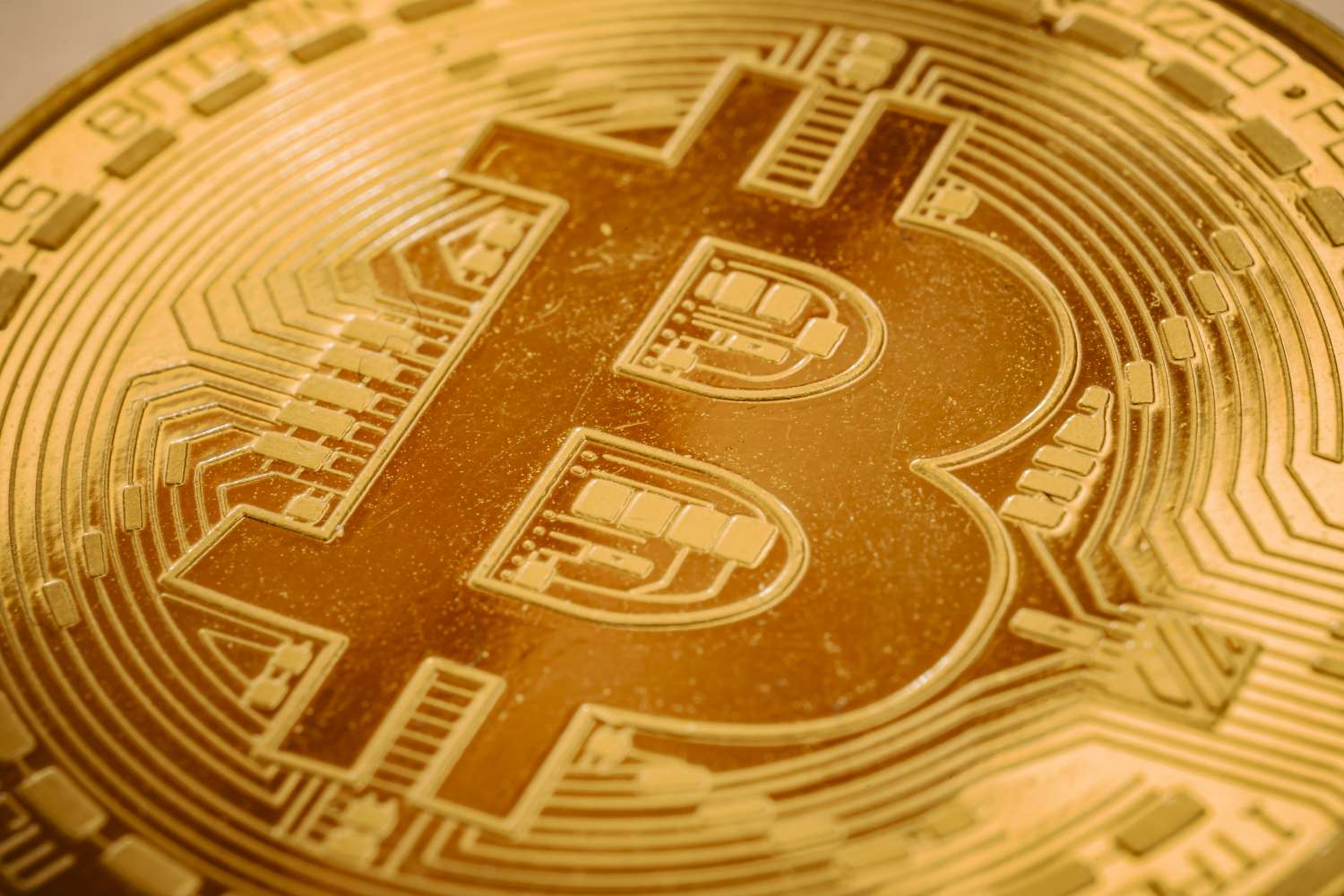
Core Insights - Bitcoin has risen approximately 10% since the onset of the war in Iran, surpassing the performance of gold, the U.S. dollar, and major stock indexes [1][1][1] Group 1: Bitcoin Performance - The price of Bitcoin has increased to over $72,000 since the initial attacks on Iran, outperforming traditional safe-haven assets [1][1][1] - Despite its recent performance, Bitcoin has not consistently acted as a safe haven asset compared to gold, as it has previously behaved more like a risk asset [1][1][1] Group 2: Investor Behavior - Following the initial strikes on Iran, net inflows into Bitcoin funds, including iShares Bitcoin Trust (IBTC) and Fidelity Wise Origin Bitcoin Fund (FBTC), totaled over $1.1 billion [1][1][1] - An academic study indicated that trading volumes in cryptocurrency tend to rise during geopolitical crises, showing Bitcoin's potential for stability during such times [1][1][1] Group 3: Expert Opinions - Ray Dalio, founder of Bridgewater Associates, noted that while gold typically performs well during geopolitical unrest, Bitcoin's appeal as a safe haven is limited due to central banks' reluctance to adopt it [1][1][1] - The study concluded that Bitcoin occupies a flexible position that may change based on crisis characteristics and investor sentiment [1][1][1]

VanEck Gold Miners ETF (ARCA:GDX), SPDR Gold Shares (ARCA:GLD)
Benzinga· 2026-03-13 18:34
Core Viewpoint - The recent decline in gold prices during a selloff in AI stocks raises questions about gold's status as a safe haven asset, suggesting that market behavior during volatility can lead to temporary correlations with risk assets [1][3]. Group 1: Market Behavior - During periods of sharp market shocks, investors tend to sell multiple asset classes simultaneously to raise cash or rebalance portfolios, which can cause gold to move in the same direction as equities temporarily [3]. - Gold is reported to have no measured correlation to tech assets or the broader equities markets, leading many investors to increase their gold exposure in strategic portfolios [2][3]. Group 2: Long-Term Outlook for Gold - Despite short-term volatility, there is strong structural demand for gold, particularly as central banks globally continue to increase their gold reserves, which is viewed as a significant driver of the metal's bull market [4]. - The market experienced an overheated condition with a spike in January, but the long-term outlook for gold remains bullish due to ongoing central bank purchases [4].

Investing in gold in 2026: What to know
Youtube· 2026-03-10 22:21
Core Insights - The demand for gold is increasing as it is viewed as a safe investment amid economic uncertainties and geopolitical risks [1][4][5] Price Trends - Gold prices saw a significant increase from December 2019 to June 2020, rising by $500 per ounce due to the pandemic [2] - The lowest price of gold in the 2020s was recorded in October 2022 at $1,656 per ounce [2] - By January 2026, gold prices surpassed $5,000 per ounce for the first time, with predictions from JP Morgan suggesting it could reach $6,300 by the end of the year [3][4] Demand Drivers - Central banks are expected to purchase an additional 800 tons of gold in 2026, indicating a structural shift in demand [5][6] - Investors are treating gold as a hedge against currency debasement due to geopolitical risks and policy uncertainties [7] - Anticipated rate cuts by the Federal Reserve are expected to lower the dollar's value, making gold more attractive [7] Investment Options - Various forms of gold investments include physical gold, gold mining stocks, gold ETFs, and gold futures contracts [9] - Physical gold requires understanding logistics for storage and transportation, while gold-backed ETFs offer a more convenient investment method [10][14] - Gold futures contracts are leveraged instruments with associated costs, and they may trade at premiums to the spot price [18][19] Market Dynamics - Gold mining stocks do not always correlate directly with gold prices, and their performance can vary significantly [20] - The performance of mining stocks has been catching up to gold prices due to their business dynamics and production lead times [20][21] Portfolio Strategy - Investors are shifting from tactical allocations to viewing gold as a strategic asset in their portfolios [23] - An optimal allocation of gold in a portfolio is suggested to be between 2% to 10% to enhance performance and provide liquidity [24] Consumer Trends - The introduction of gold bars by Costco has generated significant sales, reaching up to $200 million monthly [30] - The price of Costco's gold bars has nearly doubled since their introduction, reflecting the growing interest in gold investments [32]

BTAL: A Negative Beta Fund As A Portfolio Hedge
Seeking Alpha· 2026-01-17 01:55
Core Viewpoint - The AGF U.S. Market Neutral Anti-Beta Fund ETF (BTAL) is positioned as a beneficial hedge within a diversified investment portfolio, particularly highlighted in the analysis from early 2025 [1]. Group 1: Company Overview - Binary Tree Analytics (BTA) has a focus on providing transparency and analytics related to capital market instruments and trades, specifically targeting Closed-End Funds (CEFs), Exchange-Traded Funds (ETFs), and Special Situations [1]. - BTA aims to deliver high annualized returns while maintaining a low volatility profile, leveraging over 20 years of investment experience [1]. Group 2: Investment Position - The analyst has disclosed a beneficial long position in BTAL through various means such as stock ownership, options, or other derivatives [2].

Puzzled — Greater Fool – Authored by Garth Turner – The Troubled Future of Real Estate
Greaterfool.Ca· 2025-11-22 15:00
Core Insights - Bitcoin has shown a negative year-to-date performance, leading to skepticism about its investment potential [4] - The volatility of Bitcoin undermines its argument as a stable alternative currency, with significant price drops observed [6] - The correlation between Bitcoin and equity markets is high, challenging its role as a portfolio hedge [10][11] - The argument for Bitcoin's scarcity is weakened by its divisibility and the emergence of competing cryptocurrencies [17] - Frequent changes in the investment rationale for Bitcoin suggest instability in its investment thesis [18] Investment Performance - Bitcoin has experienced six collapses of 70% or greater over the past twelve years, indicating high volatility [6] - The drop from Bitcoin's October high is over 25%, reflecting its unstable nature [6] Market Correlation - Bitcoin's correlation with the Nasdaq Composite and S&P 500 has been exceptionally high over the past decade, questioning its effectiveness as a hedge [10][11] Volatility Comparison - The Purpose Bitcoin ETF has shown extraordinary volatility compared to the SPDR S&P 500 ETF, highlighting the risks associated with Bitcoin investments [13][15] Scarcity Argument - The argument for Bitcoin's scarcity is challenged by its infinitely divisible nature and the presence of numerous competing cryptocurrencies [17]

Gold is both overbought and under-owned, says Bank of America's Francisco Blanch
Youtube· 2025-10-24 18:17
Gold Market Insights - The gold market is currently viewed as both overbought and underowned, suggesting a long-term investment opportunity despite recent price fluctuations [3][4] - A forecast revision has been made, increasing the target price for gold to $5,000 per ounce, up from a previous target of $4,000, indicating bullish sentiment [3] - Recent volatility in gold prices has been attributed to significant inflows and geopolitical tensions, particularly between the US and China, as well as sanctions on Russia [4][5] Investment Strategy - Gold is recommended as a core portfolio asset, but investors are advised against chasing prices higher; instead, buying on dips is suggested [10] - The historical value retention of gold is emphasized, with the assertion that it maintains purchasing power over time [10][11] Energy Market Overview - The oil market has been bearish throughout the year, influenced by sanctions on major Russian oil producers, which are expected to reduce supply [13][14] - Recent sanctions have led to a rally in crude prices, particularly in near-dated contracts, as refiners rush to secure alternative oil sources [15] - Despite the current price rally, OPEC+ is increasing production, which may prevent a long-term shortage of crude oil, indicating a potential surplus in the market [17]