Producer Deflation

Search documents
China consumer inflation hits three-year high as producer deflation eases
CNBC· 2026-03-09 01:48
Economic Overview - China's consumer price index (CPI) rose by 1.3% in February year-on-year, surpassing economists' expectations of a 0.8% increase, following a 0.2% growth in January, marking the strongest rebound since January 2023 [2] - The producer price index (PPI) decreased by 0.9% year-on-year, which was better than the anticipated 1.2% decline, and improved from a 1.4% drop in January [3] Inflation and Economic Targets - The Chinese government maintained its annual consumer inflation target at "around 2%" for 2026, the lowest level in over two decades, as part of efforts to stimulate domestic demand and manage price wars across various industries [3][4] - In 2025, consumer prices remained flat overall, while core inflation, excluding food and energy, increased by 0.7%, indicating soft consumer confidence [4] Fiscal Measures - To enhance domestic spending, the Chinese government allocated 250 billion yuan (approximately $36.2 billion) for a consumer trade-in program in the fiscal budget for this year, a decrease from 300 billion yuan in 2025, along with a 100 billion yuan fund to support private investment and consumer spending [5] Economic Growth Outlook - The GDP growth target for this year was lowered to a range of 4.5% to 5%, the least ambitious target recorded since the early 1990s, reflecting ongoing deflationary pressures and geopolitical uncertainties [4] - Incremental stimulus measures are expected, with weak consumption viewed as a structural issue, while exports and manufacturing are anticipated to continue driving growth [6] Export Dependency - The strength of exports is seen as a critical factor; if exports remain robust, policymakers may tolerate weak domestic consumption, but if exports decline, increased domestic stimulus measures will be implemented to meet GDP targets [7]

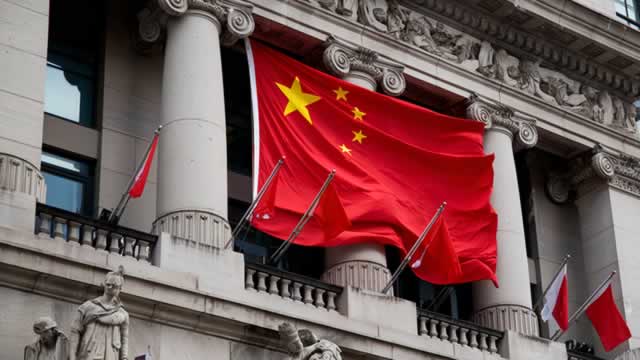
China's consumer inflation hits near two-year high as producer deflation deepens more than expected
CNBC· 2025-12-10 01:51
Core Insights - China's consumer price inflation rose to 0.7% in November, the highest level since February last year, while producer prices fell by 2.2%, indicating ongoing economic challenges [2][3][4] Economic Indicators - Consumer prices increased by 0.7% year-on-year in November, following a 0.2% rise in October, aligning with economists' expectations [2] - Producer prices experienced a decline of 2.2% in November, extending a deflationary trend into its fourth year, compared to a 2.1% drop in October [2] Economic Outlook - Economists predict that deflationary pressures will continue into the next year due to a prolonged housing downturn and weak labor market conditions, necessitating new policy measures to stimulate demand [3] - Despite a slowdown in the economy, China is on track to meet its annual growth target of "around 5%" for the year, bolstered by strong exports to non-U.S. markets [4] Policy Priorities - The Politburo has identified expanding domestic demand and rebalancing supplies as key economic priorities for 2026 [5] - Policymakers are expected to maintain an easing bias but may be less inclined towards broad-based stimulus measures, indicating a need for stronger pro-growth policies next year [6] Upcoming Events - Investors and economists are closely monitoring the upcoming Central Economic Work Conference, where key growth targets and policy priorities for the next year will be established [7]