Product liability litigation

Search documents
Supreme Court to hear Bayer's appeal to block thousands of Roundup weedkiller lawsuits
New York Post· 2026-01-16 23:27
Core Viewpoint - The US Supreme Court has agreed to hear Bayer's appeal to limit lawsuits claiming that its Roundup weedkiller causes cancer, which could potentially save the company billions in damages [1][2]. Group 1: Legal Proceedings - Bayer is appealing a Missouri Court of Appeals ruling that upheld a $1.25 million verdict awarded to a plaintiff diagnosed with non-Hodgkin's lymphoma after using Roundup [2][4]. - The company argues that federal law governing pesticides should preempt state law claims, as the Environmental Protection Agency (EPA) has not found evidence that Roundup increases cancer risk [7][14]. - Bayer is currently facing approximately 65,000 similar claims in state and federal courts related to Roundup [4][8]. Group 2: Financial Implications - Bayer shares rose nearly 5% following the announcement that the Supreme Court would hear the case [2][8]. - The company has already paid around $10 billion to settle most Roundup lawsuits pending as of 2020, but has not reached a settlement for future cases [11]. - A favorable ruling from the Supreme Court could significantly reduce the number of lawsuits Bayer faces, potentially saving the company billions in damages [1][9]. Group 3: Company Strategy - Bayer's CEO, Bill Anderson, stated that the court's decision is a crucial part of the company's strategy to manage ongoing litigation [3]. - The company has indicated that it may withdraw Roundup from the US market if litigation continues to escalate [15]. - Bayer acquired Roundup as part of its $63 billion purchase of Monsanto in 2018 and maintains that decades of studies support the safety of glyphosate, the active ingredient in Roundup [12][16].


Here's Why the Maker of Roundup Weed Killer's Stock Is Surging Today
Investopedia· 2025-12-02 15:25
Core Viewpoint - The U.S. Solicitor General supports Bayer's request for the Supreme Court to review rulings regarding the health impacts of Roundup, potentially affecting the company's liability in ongoing lawsuits [1][7]. Bayer's Stock Performance - Shares of Bayer surged 12% on the German exchange following the Solicitor General's support for the Supreme Court review [1]. Regulatory Background - The Environmental Protection Agency has stated that glyphosate, a key ingredient in Roundup, is "not likely to be carcinogenic in humans," and the Food and Drug Administration has approved numerous labels for Roundup without cancer warnings [2][7]. Legal Arguments - Bayer contends that since federal agencies deem glyphosate safe, customers should not be able to sue under state laws for failing to warn about cancer risks. Most of the ongoing lawsuits are based on "failure-to-warn theories," which could be invalidated by a favorable Supreme Court ruling for Bayer [3][4]. Implications for Investors - A Supreme Court ruling in favor of Bayer could prevent the company from paying billions in settlements related to cancer risk allegations, while a ruling against it could benefit thousands of cancer patients and their families [4]. Bayer's Strategy - Bayer welcomes the Solicitor General's support, stating that a Supreme Court ruling would clarify the company's obligations under state laws versus federal determinations of chemical safety. The company aims to significantly reduce litigation by the end of 2026 [5]. Acquisition Context - Bayer acquired Monsanto in 2018 for $63 billion, and shortly after the acquisition, a California jury found Monsanto liable for failing to warn about Roundup's potential cancer risks [5].


J&J faces first UK lawsuits alleging powder caused cancer
RTE.ie· 2025-10-16 06:26
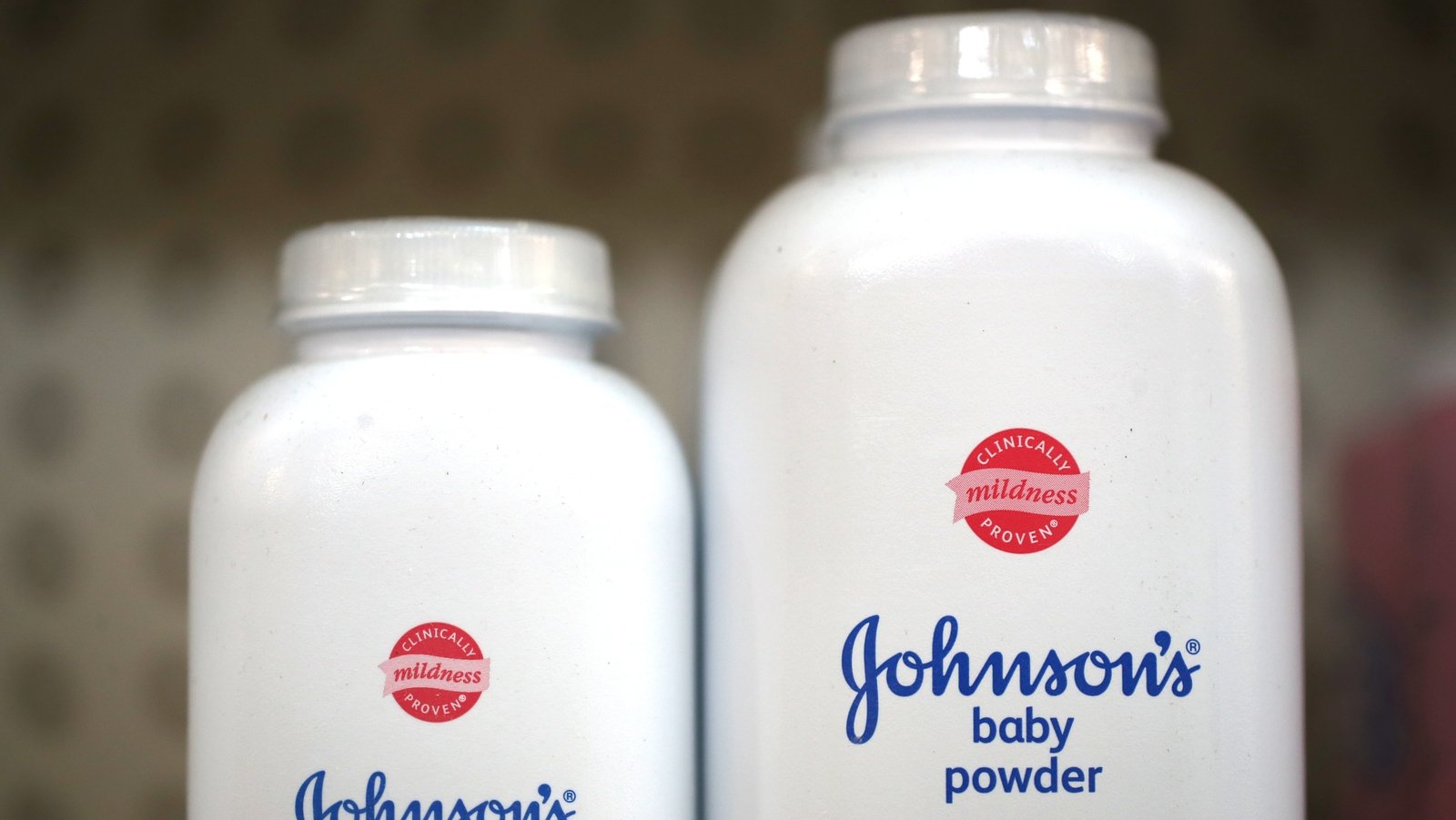
Core Viewpoint - Johnson & Johnson (J&J) is facing its first lawsuits in Britain regarding allegations that its talc products cause cancer, amidst ongoing litigation in the US involving tens of thousands of similar claims [1][3]. Group 1: Lawsuits and Allegations - The lawsuit in the UK was filed on behalf of over 3,000 individuals who claim their ovarian cancer, mesothelioma, or other diseases were caused by J&J's baby powder used between 1965 and 2023 [2]. - KP Law alleges that J&J's talc products contained carcinogenic fibers, including asbestos, which is linked to mesothelioma [2]. - J&J has consistently asserted that its talc products are safe and do not contain asbestos [3]. Group 2: Corporate Responsibility and Legal Strategy - J&J has referred inquiries to Kenvue, which has taken on the responsibility for talc-related litigation outside the US and Canada [3]. - Kenvue maintains that J&J baby powder does not contain asbestos and does not cause cancer [3]. - J&J ceased selling talc-based baby powder in the US in 2020 and in the UK in 2023, switching to a cornstarch product [4]. Group 3: Financial Implications and Court Decisions - J&J has attempted to resolve litigation through bankruptcy, a strategy that has been rejected by federal courts three times [4]. - Recently, J&J was ordered to pay $966 million to the family of a woman who died from mesothelioma, marking one of the largest awards against the company [4]. - The estimated value of the UK lawsuit is around £1 billion [5]. Group 4: Legal Process in England - Lawsuits in England are typically determined by a judge rather than a jury, which is a significant difference from the US legal system [6]. - Kenvue expressed confidence that a judge will conclude that its talc-based baby powder does not cause cancer [6].