
Public finances

Search documents
X @Bloomberg
Bloomberg· 2025-12-07 05:12
The Chancellor of the Exchequer’s budget, delivered on Nov. 26, depends on higher tax revenues from UK workers and families in the coming years. If earnings and spending don’t hold up, she risks a £40 billion ($53 billion) hole in the public finances. https://t.co/UhdQhNyqWW ...
X @Bloomberg
Bloomberg· 2025-11-30 09:34
Rachel Reeves denied misleading the British public about the state of the UK’s public finances, as she faced ongoing criticism over her messaging in the run-up to Wednesday’s £26 billion package of tax hikes https://t.co/KoKMFTYouS ...
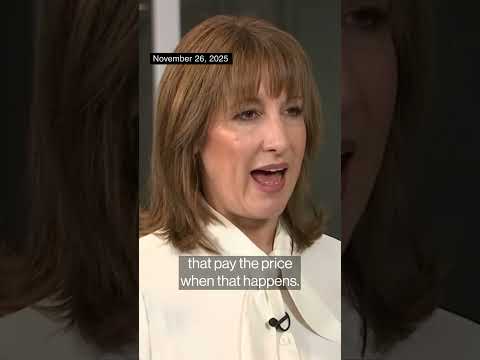
Reeves keeps door open to tax hikes after £26 billion budget hit #shorts #uk #budget #reeves
Bloomberg Television· 2025-11-26 18:08
So finally, Chancellor, you've effectively just broken your promise made after the last budget not to raise taxes again. Will you now rule out more tax rises whether directly or by stealth this parliament. >> So last year I had to close the black hole in the public finances left by the Conservatives. Uh and um in the budget last year um I lived within the forecast set by the OBR.uh they have now changed their forecasts around productivity and they are very clear that's nothing to do with the policy of this ...

UK's Reeves walks a Budget tightrope, as money markets eye unpopular choices
CNBC· 2025-11-17 07:17
Core Viewpoint - U.K. Finance Minister Rachel Reeves faces significant challenges in preparing the Autumn Budget, with pressure to balance voter satisfaction, public finance stability, and market confidence in her policies [1][2]. Fiscal Strategies - Reeves is exploring various strategies to address a fiscal shortfall estimated at £50 billion ($65.6 billion), which may involve substantial spending cuts or breaking a pledge not to raise certain taxes [2][12]. - Potential tax hikes under consideration include taxing dividends, reducing tax breaks for salary sacrifice schemes, and increasing levies on specific professions, though such measures are likely to be unpopular among the public [3][4]. Public Sentiment - A YouGov poll indicates that nearly one-third of adults believe Reeves should avoid tax increases, even if it necessitates spending cuts or increased borrowing, while over half prioritize maintaining tax promises over borrowing limits [4]. Market Reactions - Some market participants would welcome tax increases, as evidenced by a sell-off in gilts following reports of a potential U-turn on planned income tax rises [5]. - Analysts expect Reeves to announce tax increases, which could positively impact U.K. government bonds (gilts), especially in light of a loosening labor market and expectations of peaking inflation [6][7]. Spending Cuts and Political Dynamics - Investors advocate for a combination of tax hikes and spending cuts to manage the public deficit, emphasizing the need for genuine fiscal consolidation without harming economic growth [10][11]. - Significant spending cuts may face resistance from left-leaning lawmakers within the Labour party, complicating Reeves's fiscal strategy [14]. Fiscal Rules and Market Stability - Reeves's commitment to her fiscal rules, which require day-to-day spending to be funded by tax revenues and public debt to decline as a share of economic output, remains firm, despite the challenges [17][19]. - Any deviation from these rules could negatively impact the bond market, as seen in past instances where political uncertainty led to increased gilt yields [20][21].
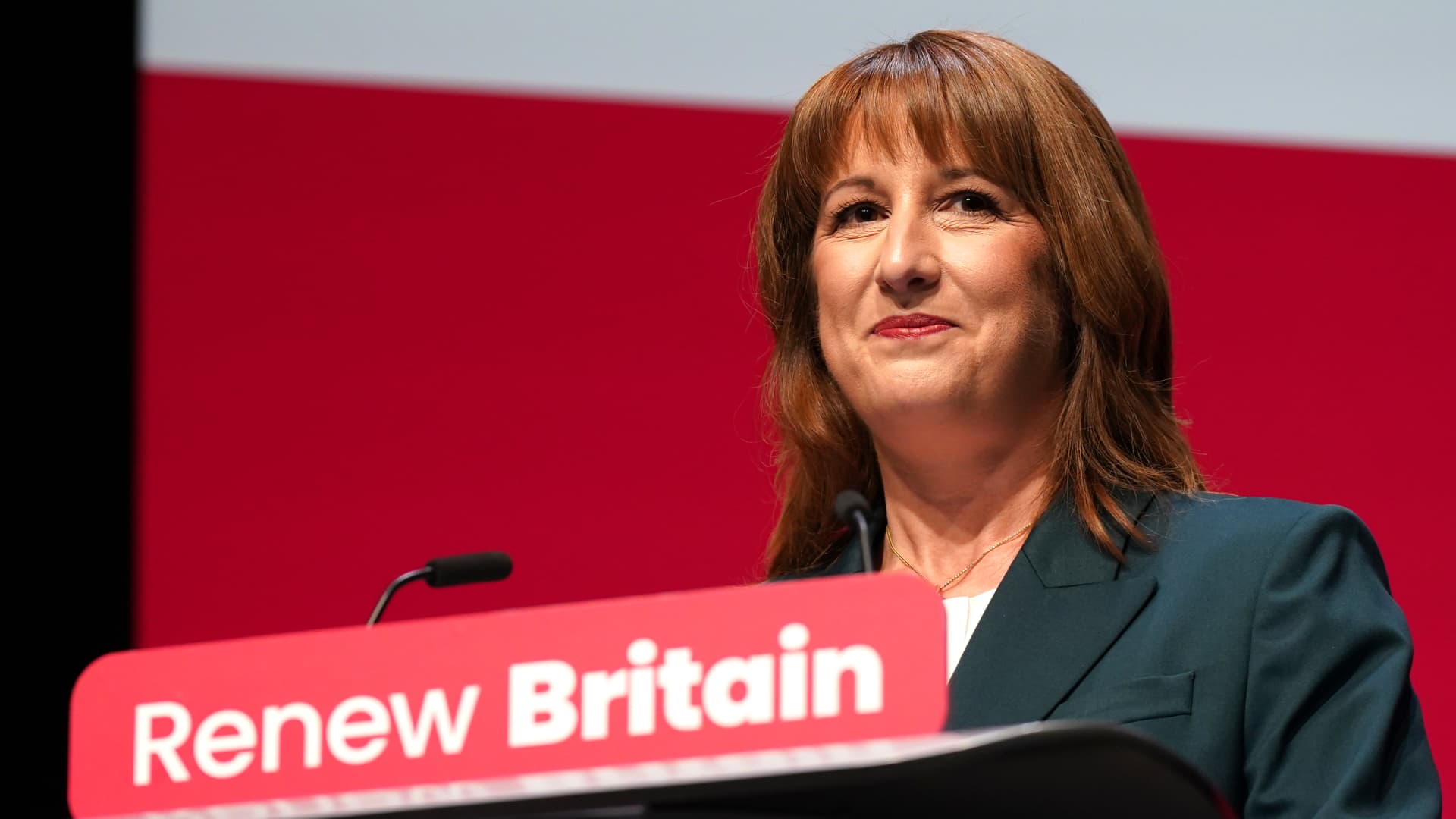
Reeves knows what it will take to calm the markets. Can she deliver it?
Yahoo Finance· 2025-11-12 18:10
Core Viewpoint - The UK government is facing a critical financial situation, with high borrowing costs and inflation, necessitating immediate action to stabilize the economy and restore market confidence [2][4][6]. Group 1: Government Borrowing and Debt - The UK has the highest borrowing costs in the G7, primarily due to excessive spending and the recent decision by the Chancellor to abandon previous debt rules [5][6]. - Labour is projected to borrow over £117 billion this year to meet its political objectives, which is exacerbated by rising inflation currently at 3.8%, the highest among major wealthy nations [6][8]. Group 2: Political Challenges and Market Reactions - There is significant pressure on the Chancellor to take decisive action to reassure bond markets, especially after failing to implement planned welfare savings [7]. - Political support is crucial for the Chancellor to enact unpopular measures, as backbench Labour MPs are resistant to changes that could destabilize financial markets [2][7]. Group 3: Proposed Solutions - One suggested approach to address the financial crisis is to implement radical tax increases, particularly targeting higher earners, which would demonstrate a commitment to fiscal responsibility [8]. - Such tax increases could generate revenue to reduce borrowing, alleviate inflationary pressures by curbing household spending, and signal to markets a serious intent to manage public finances effectively [8][9].
Soaring inflation on course to cost Reeves £28bn this year
Yahoo Finance· 2025-10-21 20:00
Core Insights - Rachel Reeves is facing a £28.5 billion increase in debt payments due to rising inflation, which is significantly higher than previous estimates [1][2][5] - Inflation in Britain has reached 4%, double the Bank of England's target, leading to increased scrutiny of the government's decision to link a large portion of its debt to inflation [2][3] - The growing cost of debt interest is expected to create challenges for the Chancellor as she attempts to address a £30 billion shortfall in public finances ahead of the upcoming Budget [7][8] Debt Servicing Costs - Interest payments on inflation-linked bonds are projected to total £28.5 billion this year, which is £2 billion more than earlier estimates and four times the forecasts from two years ago [2][6] - The Office for Budget Responsibility (OBR) had initially predicted a decrease in inflation-linked debt servicing costs to £7 billion for 2025-26, but this forecast has been revised upwards due to persistent inflation [5][6] - If inflation continues to exceed expectations, additional costs of £1.4 billion to £2.3 billion may be incurred, further straining public finances [6][7] Government Response and Criticism - The government's strategy of linking a significant portion of its debt to inflation has drawn criticism, especially as around 25% of UK gilts are tied to price increases compared to only 10% in the US and France [3] - Recent tax increases and minimum wage hikes have been cited as contributing factors to rising inflation, complicating the government's efforts to manage public finances [4][6] - The shadow Chancellor has criticized the current government for soaring borrowing levels, suggesting a loss of control over public finances [9]
X @Bloomberg
Bloomberg· 2025-10-14 12:18
Government Finance - Finland will introduce a parliamentary debt brake to address its worsening public finances [1] - The debt brake aims to fix the financial situation of the northernmost euro area member [1]
Bosses demand Reeves launch income tax raid
Yahoo Finance· 2025-09-24 18:06
Core Viewpoint - The Institute of Directors (IoD) has called for an increase in income tax to stabilize public finances and restore credibility in the UK's Treasury, suggesting that if public spending cuts are politically unfeasible, tax increases are necessary [1][2][5]. Group 1: Tax Policy Recommendations - The IoD emphasizes that the Chancellor, Rachel Reeves, must consider raising income tax due to the financial damage from previous employer raids and the government's failure to cut spending [2][5]. - The Resolution Foundation has proposed raising £6 billion by shifting 2p from employee National Insurance contributions to income tax, while the Institute for Government suggests that tax increases should target those with average incomes [4]. - Experts indicate that breaking Labour's manifesto promise not to raise income tax may be unavoidable given the estimated public finance shortfall of £20 billion to £50 billion [5][6]. Group 2: Economic Context - The IoD, which typically advocates for lower taxation, notes that public spending and taxation are at postwar highs as a percentage of GDP, highlighting the challenging economic environment [6][7]. - The call for the first increase in the main rate of income tax since 1975 comes amid a downturn in the job market and rising inflation, exacerbated by the impact of the Chancellor's last Budget [7].
X @Bloomberg
Bloomberg· 2025-07-03 07:01
Market Concerns - UK markets are experiencing concerns regarding public finances [1] - Keir Starmer is attempting to stabilize markets affected by these concerns [1] Political Figures - Rachel Reeves's future is a factor contributing to market instability [1]