RSV感染防控

Search documents
RSV跻身住院严重呼吸道感染病原前三,“一老一小”防控短板亟待补齐
Di Yi Cai Jing· 2025-12-12 05:45
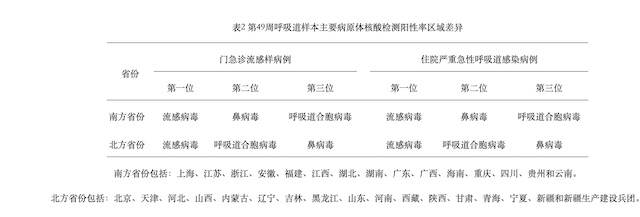
Core Viewpoint - The current focus is on prevention of respiratory infections, particularly influenza and respiratory syncytial virus (RSV), which poses significant health risks during the winter season [1][3]. Summary by Sections Current Situation - During the 49th week of 2025, the percentage of flu-like cases reported in emergency departments across the country was 9.9% [1]. - The top three pathogens detected in respiratory samples from emergency departments were influenza virus (54.2%), rhinovirus (5.2%), and RSV (4.0%) [1]. - For hospitalized severe acute respiratory infection cases, the positive detection rates were influenza virus (22.1%), RSV (7.5%), and rhinovirus (7.1%) [1]. Regional Differences - In southern provinces, the leading pathogens for emergency department flu-like cases were influenza virus, rhinovirus, and RSV, while in northern provinces, they were influenza virus, RSV, and rhinovirus [2]. - RSV has consistently ranked among the top three pathogens in hospitalized severe acute respiratory infection cases for 27 weeks since week 23 of 2025 [2]. RSV Characteristics and Public Health Consensus - RSV has a basic reproduction number (R0) of approximately 4.5, indicating a higher transmission potential compared to influenza and other viruses [4]. - The newly published consensus on RSV management emphasizes the need for an integrated prevention, diagnosis, and management system, shifting from a disease-centered to a health-centered approach [3]. Vulnerable Populations - RSV significantly impacts infants and the elderly, with a particular focus on those with chronic conditions [5]. - The consensus recommends preventive measures for infants under one year old, including the administration of long-acting monoclonal antibodies to prevent RSV-related lower respiratory infections [6]. Vaccine Development and Accessibility - While there are approved RSV vaccines for the elderly in other countries, none have been approved in China yet [6]. - The consensus calls for optimizing access to RSV prevention for newborns and infants through collaborative medical and preventive strategies [6]. Special Considerations for Elderly Care - Special attention is needed for elderly individuals over 65 years old, particularly those with chronic heart and lung diseases, and those living in care facilities [7].