Regenerative Farming

Search documents
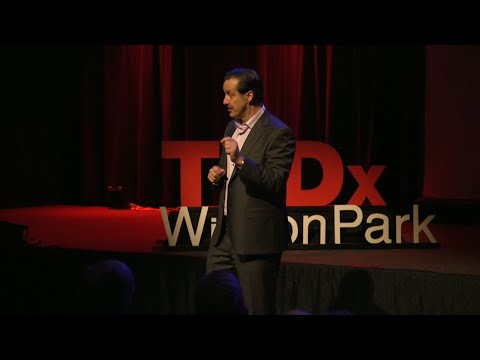
What Pigs Can Teach Us About Human Health and Sustainability | Charles Mayfield | TEDxWilsonPark
TEDx Talks· 2025-12-09 16:44
Pig Farming Industry & Historical Context - Pigs, introduced to North America in the 1400s-1500s, were once intimately familiar to everyone [1] - In the last century, pigs have faced numerous challenges, jeopardizing their contributions [2] - The perception of pigs needs to change, recognizing their contributions to medicine, farming, culinary arts, and skincare [4] - From the 1970s, the pork industry transitioned to concentrated animal feeding operations (CAFOs), turning pigs from heroes into villains [8] Medical Contributions - Galen, a famous doctor, credited much of his understanding of the human body to pigs through public dissections [5] - Up until the last decade, nearly every surgeon trained using pigs [6] - Pigs provide hormones and fluids for medical care, including heparin, insulin, and bile extracts [6] - Pig parts are used in heart valve replacements [6] - John's Hopkins was awarded over $21 million to advance pig organ viability for addressing the organ donor shortage [7] Farming & Sustainability - 986% of pork in the US is raised in factory farms, depriving pigs of sunshine, exercise, clean air, and water [7] - Pig manure, a valuable soil input, is transformed into toxic sludge in CAFOs, poisoning air and water [9] - Pigs' rooting behavior is essential and not solely tied to hunger [9] - Factory farming on concrete denies pigs this essential function [10] Culinary & Nutritional Aspects - The industry should look beyond bacon and consider nose-to-tail cooking [11] - Culinary roots are in lard, not tallow, but Crisco replaced lard in popularity [12] - World War II rationing further diminished lard's use [13] - Pastured pork lard is less prone to oxidation and has a better omega-6 to omega-3 fatty acid ratio [14] Skincare Applications - Pig skin and fat have historically been used for wound care and skin treatments [16] - The skincare industry is dominated by a vegan ethos, despite crop agriculture causing the deaths of over 18% billion wild animals annually [16] - Lard from pasture-raised pigs closely matches the lipid matrix of human skin [19] - Lard is non-comedogenic and deemed safe for cosmetic use in 2017 [20] Ethical Considerations & Future Actions - For many pigs, the only good day is the day their life ends [21] - The industry needs to increase pastured pork production from 1-2% to 5-10% in the coming decade [22] - Consumers can request pastured pork at grocery stores or find local farmers [22][23]

X @TechCrunch
TechCrunch· 2025-11-13 05:33
Investment & Funding - Kering-backed fund Mirova invests $30.5 million in India's Varaha [1] Sustainable Agriculture - The investment targets regenerative farming practices in India [1]
World’s biggest cause of food waste revealed on World Food Day: factory farming
Globenewswire· 2025-10-16 03:01
Core Insights - The report by Compassion in World Farming highlights that ending the practice of feeding grain to factory-farmed animals could potentially feed an additional two billion people annually and free up land equivalent to the size of Mexico for food production [1][6]. Food Waste in Factory Farming - The report reveals that factory farming is responsible for more food waste globally than any other sector, including households, food service, and retail [2][7]. - Approximately 766 million tonnes of grain are wasted each year by being fed to farmed animals, surpassing the food waste from households (631 million tonnes), food service (290 million tonnes), and retail (131 million tonnes) [7]. Inefficiency of Grain Feeding - The inefficiency of feeding grain to animals is highlighted, with only 3-25 calories of meat produced for every 100 calories of human-edible grain fed to animals [3]. - A shift to regenerative farming practices, where animals are fed on inedible products for humans, could significantly enhance global food security [3]. Land Use and Environmental Impact - Ending the use of grain for animal feed could release thousands of hectares of arable land, with almost 15 million hectares in the EU and over 7 million hectares in the US becoming available for human food production [7]. - The current practices in industrial agriculture contribute to deforestation, soil degradation, biodiversity loss, and pollution [5]. Call to Action - The NGO is urging national governments to adopt policies that prioritize food production for people over animal feed, emphasizing the need to stop subsidizing wasteful grain-based factory farming [4][6].