
Step-Up in Basis

Search documents
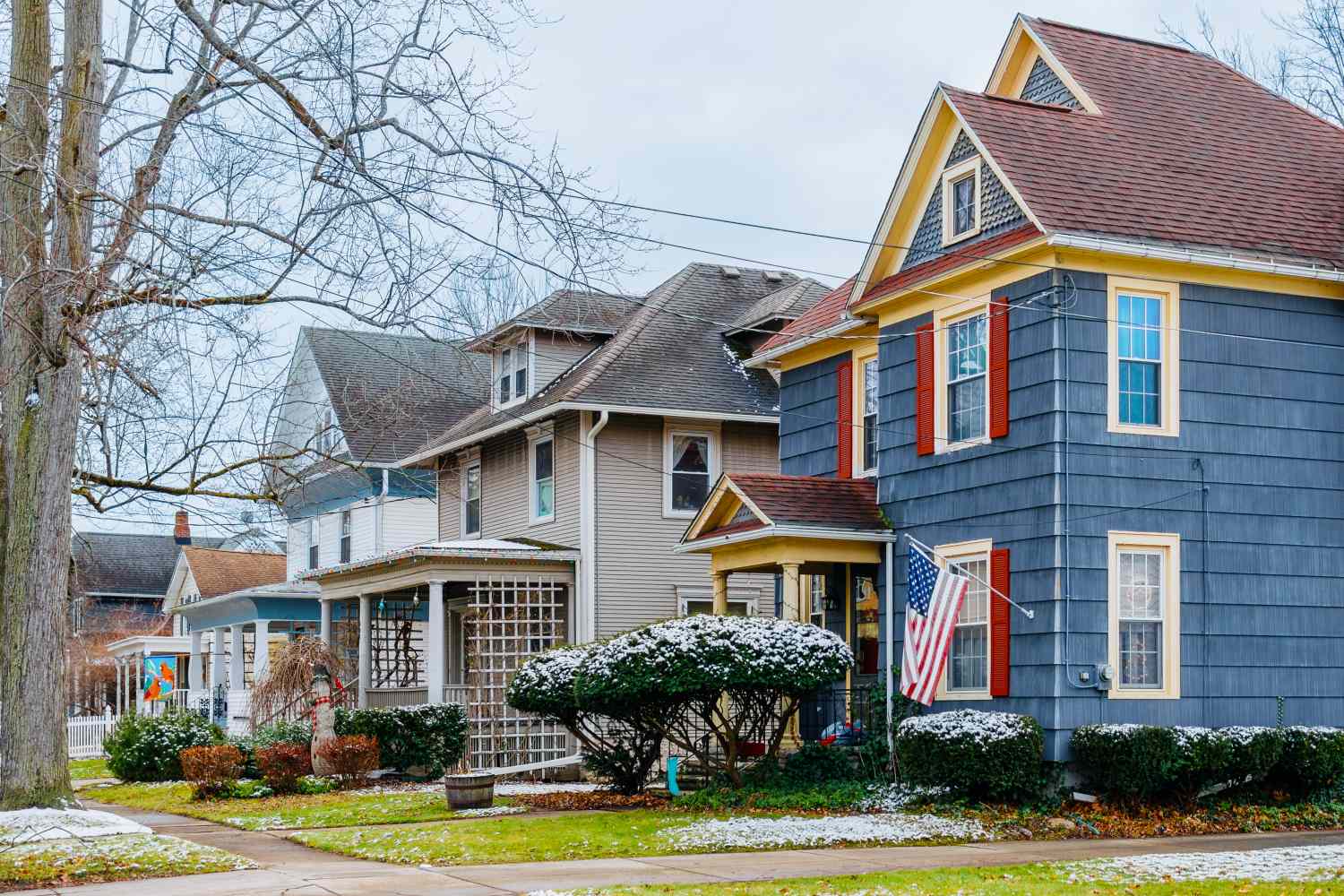
The Great Wealth Transfer: Why Inheriting a Home May Not Make You Rich
Investopedia· 2026-02-03 01:00
Core Insights - The "Great Wealth Transfer" is expected to result in a staggering $124 trillion worth of wealth being transferred to heirs by 2048, significantly impacting the inheritance landscape in the U.S. [3] - Many Americans will inherit homes, which can come with hidden costs and complexities, necessitating an understanding of probate rules and tax implications to avoid financial stress during emotional times [4][6] Inheritance of Homes - A Freddie Mac survey indicates that three-quarters of Baby Boomer homeowners plan to leave their homes or the proceeds from their sale to family members upon death [5] - Inheriting a home entails inheriting all associated costs, including insurance, property taxes, and maintenance, which can be burdensome, especially if the home goes through probate [6][9] Probate Process - Assets transferred to a trust can avoid probate, while those with a will or no will may require probate, which can be lengthy and costly [7][8] - Executors must continue to pay bills associated with the home during the probate process, which can lead to financial strain on the estate [8] Financial Planning Considerations - Families should carefully consider their options regarding inherited homes, including whether to move in, rent, sell, or hold, as each choice has tax and emotional implications [9] - The step-up in cost basis allows heirs to potentially minimize capital gains tax if they sell the home for more than its value at the time of the previous owner's death [10][11] Investment and Remodeling - For those planning to invest in remodeling or flipping an inherited home, setting a clear budget and working with real estate professionals is advised to ensure financial goals are met [12]

5 Tax Loopholes the Ultra-Wealthy Use That Most Americans Don’t Know About
Yahoo Finance· 2026-01-25 11:00
Core Insights - Tax planning for wealthy households is more complex than for average families, with strategies that can significantly reduce tax bills while remaining legal [1] Group 1: Long-Term Capital Gains - Investment income held for over a year is taxed at a lower rate than regular earnings, allowing wealthy investors to hold assets longer without immediate liquidity needs [2] - This approach enables gains to grow without triggering higher taxes, providing more flexibility for wealthy households compared to those reliant on paychecks [3] Group 2: Step-Up in Basis Rule - The step-up in basis loophole allows inherited property or investments to have their original purchase price adjusted to current market value, eliminating decades of capital gains [4] Group 3: Borrowing Against Assets - Wealthy households often borrow against their assets instead of selling them, avoiding taxable events and maintaining liquidity through low-interest loans secured by stocks or real estate [5] - Upon death, these assets pass to heirs with a stepped-up basis, erasing the tax bill entirely [5] Group 4: Tax-Loss Harvesting - Tax-loss harvesting involves selling investments that have lost value to offset gains elsewhere, effectively reducing the overall tax bill while allowing investors to maintain their positions [6][7] Group 5: Credits for High Earners - Wealthy individuals are more likely to qualify for certain tax credits related to hiring, business infrastructure, and energy projects, which can significantly lower their effective tax rate [8]
When My Spouse Dies, Will I Get a Full Step-Up or Just the $250k Exemption?
Yahoo Finance· 2025-10-14 13:00
Group 1 - The surviving spouse of a deceased co-owner of a property receives a step-up in basis to the market value at the time of death, while also being eligible for a $250,000 capital gains exemption upon selling the property [1][4][6] - A step-up in basis resets the tax basis of an inherited asset to its market value at the time of the original owner's death, which can significantly reduce taxable gains for heirs [4][5] - The capital gains tax exemption for the sale of a primary residence can be up to $500,000, provided the owner has lived in the home for at least two of the previous five years [7][8] Group 2 - The basis of an asset is the amount paid for it, which is crucial for calculating taxable gains when the asset is sold [3] - The Section 121 exclusion allows homeowners to reduce or avoid capital gains tax on the sale of their primary residence, subject to certain conditions [7][8]