Student loan repayment plan

Search documents
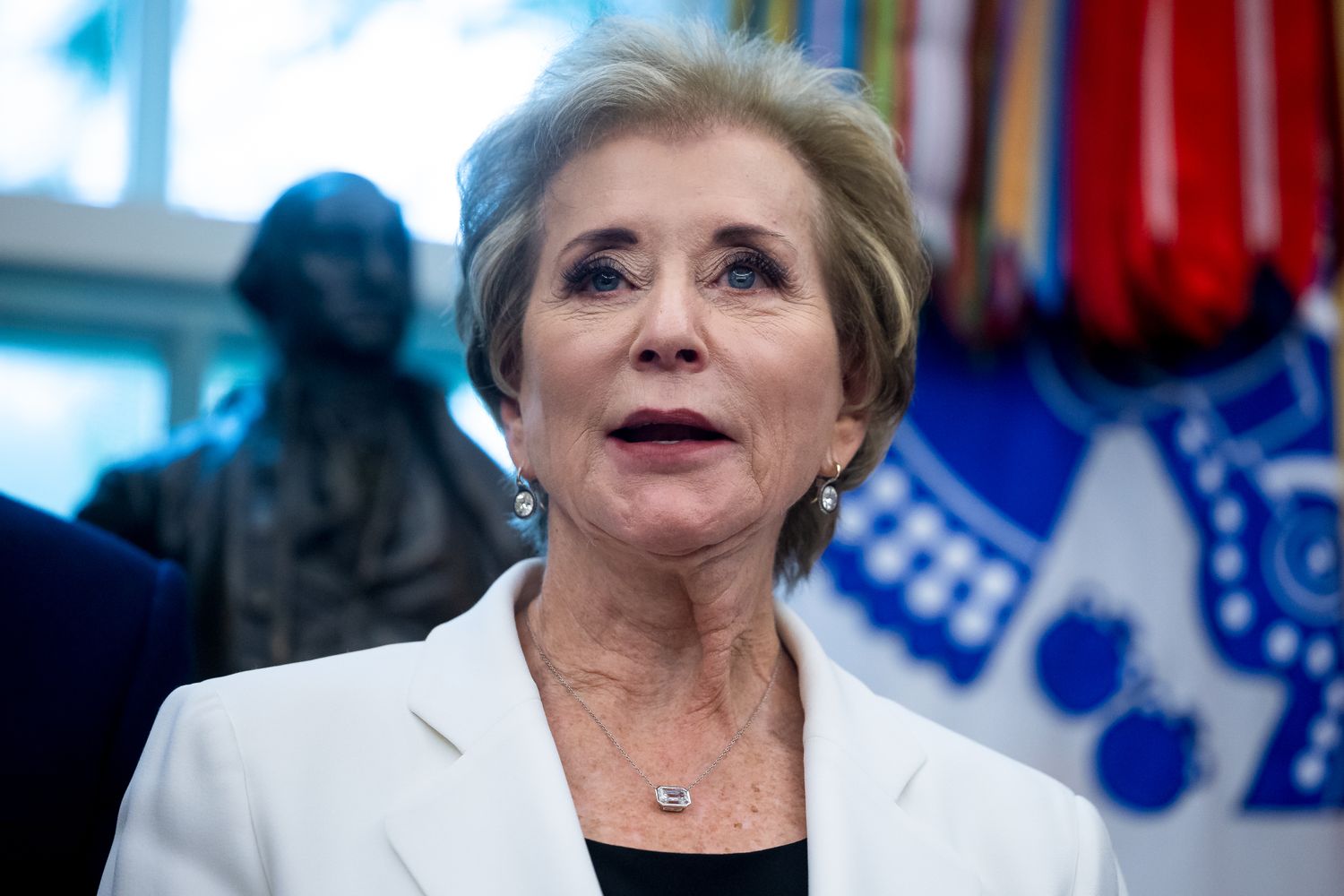
Department of Education To Move Millions of Borrowers From Biden-Era Student Loan Repayment Plan
Investopedia· 2026-03-11 00:00
Core Insights - The Department of Education is transitioning over 7 million borrowers from the Biden-era SAVE repayment plan to alternative repayment options due to legal challenges, which may lead to higher monthly payments and increased default rates [1][1][1] Group 1: Department of Education Actions - The Department of Education, under Secretary Linda McMahon, will soon move borrowers from the SAVE plan to another repayment plan, with guidance to be issued shortly [1][1] - The SAVE plan is deemed "unlawful" and will be phased out, with borrowers needing to transfer to the Income-Based Repayment plan as other options will be eliminated by July 2028 [1][1][1] Group 2: Borrower Impact - More than 10.5 million borrowers are currently either delinquent or in default on federal student loans, and the end of the SAVE plan could exacerbate this issue [1][1] - Borrowers are advised to take action to resume payments or progress toward loan forgiveness, with three income-driven repayment plans available: Income-Contingent Repayment, Pay As You Earn, and Income-Based Repayment [1][1][1] Group 3: Future Developments - A new Repayment Assistance Plan is expected to be available by July 2026, providing additional options for borrowers [1][1] - The ongoing legal saga surrounding the SAVE plan has caused delays in the Department of Education's operations, which may continue to affect borrowers [1][1]


What's Next For The SAVE Plan? What Student Loan Borrowers Need To Know
Investopedia· 2026-03-03 01:00
Core Insights - A recent court ruling has placed borrowers in the Saving on a Valuable Education (SAVE) repayment plan in a state of uncertainty, as the legality of the plan has been challenged through various lawsuits [1][2] - The Department of Education may have the opportunity to lift the administrative forbearance and resume payments under the SAVE plan following the dismissal of the main lawsuit, but it is uncertain if they will take this action [2][5] Group 1: Current Status of the SAVE Plan - There are currently 7.43 million borrowers enrolled in the SAVE plan, which was designed to provide lower monthly payments and a faster path to forgiveness [2] - Borrowers remain in administrative forbearance, meaning they are not required to make payments, but any payments made during this period do not contribute towards time-based forgiveness [4][8] Group 2: Future of the SAVE Plan - The Department of Education under the Trump administration has shown resistance to the Biden-era repayment plan, making it unlikely that forbearance will be lifted soon [4] - The SAVE plan is set to be phased out by July 2028, after which only the newly created Repayment Assistance Plan (RAP) and the existing Income-Based Repayment (IBR) plan will be available [8][9] Group 3: Borrower Guidance - Borrowers on the SAVE plan can transition to the RAP plan starting in July, but they can request entry into the IBR plan now, although they may face significant delays due to a backlog of over 600,000 pending applications [10] - It is advised that borrowers check their federal loan servicer information and consider enrolling in the IBR plan, which is viewed as a more stable option compared to the SAVE plan [11]
Are You 35 to 49? Discover How Your Student Loan Balance Stacks Up Against Peers
Yahoo Finance· 2026-02-20 11:30
Core Insights - The federal student loan borrower demographic aged 35 to 49 holds the largest share of student loan debt, totaling $674.9 billion, which accounts for approximately 34% of all borrowers [1] - The average debt per borrower in this age group is about $45,295, marking it as the second-highest average among all age groups [2] Delinquency Rates - Borrowers aged 40 to 49 have the highest delinquency rate, with 28.4% of payments past due as of the first quarter of 2025, while nearly 23% of borrowers aged 30 to 39 are also delinquent [3] - In the third quarter of 2025, about 15% of the student loan balances for borrowers aged 40 to 49 were classified as seriously delinquent, meaning payments had not been made for over 90 days [4] Options for Delinquent Borrowers - Delinquent borrowers have several options to manage their payments, including moving to a cheaper repayment plan or utilizing the Federal Student Aid Loan Simulator to compare plans [5][6] - For borrowers unable to afford any repayment plans, options such as forbearance or deferment can be requested from their servicer [10]
The Student Loan Default Rate is Already High. The End of SAVE Could Make It Worse
Investopedia· 2026-01-09 01:00
Core Insights - Millions of federal student loan borrowers are currently in default or delinquent, with numbers expected to rise as payments restart [2][11] - The Department of Education is ending the Saving on a Valuable Education (SAVE) repayment plan, affecting 7.43 million borrowers who will need to transition to another plan [2][5] - The transition process may be slow due to a backlog in applications and reduced staffing at the Department of Education [3][4] Group 1: Borrower Impact - Borrowers transitioning from the SAVE plan may face significantly higher monthly payments, potentially hundreds of dollars more than anticipated [5][8] - Many borrowers have not made payments in over six years, leading to concerns about their ability to adjust to new payment requirements [7][8] - The number of borrowers in default or delinquency is likely to increase as payments resume, exacerbating existing financial struggles [8][11] Group 2: Economic Implications - Defaulting borrowers may have wages garnished, which could reduce their disposable income and negatively impact overall economic growth [4][11] - The increase in delinquency and default rates could lead to long-term economic consequences, including lower federal revenue [4][10] Group 3: Recommendations - Borrowers are advised to explore repayment plan options now and prepare for new monthly payments, as some plans will be phased out by 2028 [12]