Time travel

Search documents
Trapped in time? This might be the cure. | Aradhya Dharani | TEDxWestbourne Grammar Youth
TEDx Talks· 2025-07-15 16:27
Main Idea - The speech explores the concept of "time travel" as a metaphor for dwelling on the past or worrying about the future, and advocates for living in the present moment [1][2] - It suggests that excessive focus on the past or future can negatively impact mental health and overall well-being [3][11] Psychological Impact - Replaying the past can distort reality and lead to overanalyzing, causing harm to mental health [3][4] - Worrying about the future stems from a desire for certainty but can lead to stress and loss of control in the present [10][11] - A study indicated that 55% of young people experience mental and physical health issues due to future-related stress [11] Strategies for Staying Present - Music can lower cortisol levels and reduce stress, helping to ground individuals in the present [13][14] - Focusing on others and recognizing their complex lives can shift perspective and promote mindfulness [14][15] - Acknowledging and accepting potential negative outcomes can diminish their power and encourage living in the moment [12] Personal Growth - Learning to catch unhelpful thoughts and shift focus is a reversible skill that can be developed [5] - The right balance of past, present, and future awareness is essential for personal well-being [16]


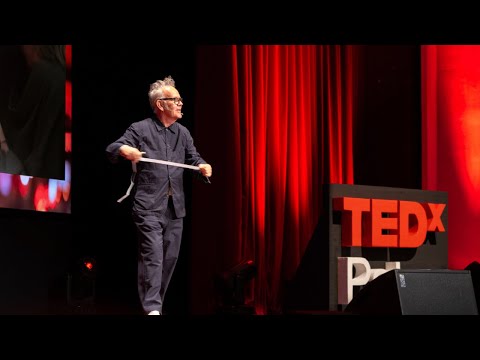
Time travel for beginners | Mark Earls | TEDxPatras
TEDx Talks· 2025-06-23 16:31
Core Argument - The speech critiques the dominance of "tick-tock time" (clock time) in modern life, arguing it's inadequate for human experiences and detrimental to well-being [2][8] - The speaker advocates for embracing "human time," which is subjective, flexible, and connected to personal experience and imagination [3] Impact of Clock Time - Excessive focus on clock time can negatively impact physical and mental health, relationships, and judgment [2] - It overshadows alternative ways of perceiving time, such as cyclical or dreamlike perspectives found in different cultures [2][3] Alternative Time Perspectives - The speech highlights the concept of time as a wheel in Indian culture, where yesterday and tomorrow are represented by the same word [3] - It references the Australian First People's "dream time," where past, present, and future coexist [3] Practical Applications of Human Time - The speaker suggests using time travel exercises (looping past and future selves) to gain perspective and plan for the future [3] - The speech encourages individuals to prepare for multiple potential futures rather than attempting to predict a single outcome [5] Time Travel Techniques - The speaker introduces a tape measure exercise to visualize one's lifespan and prioritize goals based on their 80-year-old self's desires [3] - The speech emphasizes the importance of imagining various future scenarios and preparing for them, drawing an analogy to elite athletes' training [5][6] Call to Action - The speech urges the audience to "stop all the clocks" and prioritize human experiences over the constraints of clock time [8][9] - It encourages the audience to utilize their innate ability to imagine and shape the future for themselves, their families, and their communities [9]