Wellness market

Search documents
Is Peloton's AI Pivot a Buy Signal?
The Motley Fool· 2026-03-24 06:45
Core Insights - Peloton Interactive has experienced significant stock volatility, with shares peaking at $171 in 2021 and currently trading around $4, reflecting a market capitalization of $1.7 billion [1] - The company has over 2.6 million subscribers, generating recurring revenue, but revenue growth has stalled [1] - Peloton is adopting an AI-focused strategy to enhance product personalization and tap into the $7 trillion global wellness market [2] Financial Performance - In the latest quarter, Peloton reported total revenue of $657 million, with connected fitness equipment contributing 37% and subscriptions accounting for 63% of revenue [4] - The company's gross margin improved to over 50%, and adjusted EBITDA surged 39% year over year to $81 million [7] - Peloton reduced net debt by 52% and anticipates generating at least $275 million in free cash flow [7] Subscriber Dynamics - The AI coaching feature has engaged 46% of active users, indicating positive reception [6] - Subscriber churn increased from 1.4% to 1.9%, which remains strong for a subscription service despite recent price hikes [6] Market Challenges - Total revenue declined by 3% year over year, with management projecting a similar decline for the full year [9] - The fitness and wellness markets are highly competitive, contributing to Peloton's weak revenue growth [9] - Investors are advised to wait for evidence of AI features successfully expanding membership and driving revenue growth before considering stock purchases [10]



Oil prices top $100, FDA leadership change, the wellness boom and more in Morning Squawk
CNBC· 2026-03-09 12:14
Group 1: Oil Market Dynamics - U.S. crude futures surpassed $100 per barrel for the first time since mid-2022, driven by output cuts from Iraq, Kuwait, and the UAE amid the U.S.-Iran conflict [2] - Last week, U.S. crude oil prices surged by 35.6%, marking the largest gain in the history of the futures contract, which negatively impacted the stock market, leading to the Dow Jones Industrial Average's worst week in nearly a year [6] - Energy Secretary Chris Wright indicated that energy prices would decline once the U.S. neutralizes Iran's ability to target tankers in the Strait of Hormuz [6] Group 2: Political and Economic Implications - The U.S.-Iran war has intensified the focus on affordability, with rising gas prices becoming a significant concern for everyday Americans, particularly in the context of the upcoming midterm elections [3][4] - Democrats are leveraging the conflict to highlight the economic burden on consumers, while some Republicans hope for a quick resolution to mitigate potential economic fallout [3] - The recent negative jobs report adds pressure on the White House, as a tightening labor market combined with rising prices could necessitate a shift in strategy regarding the conflict with Iran [4] Group 3: Canadian Economic Trends - Canadians are increasingly purchasing domestic brands and spending more on local tourism, while avoiding U.S. goods, a trend that could impact the U.S. tourism industry [10][11] - Polling indicates that this shift in consumer behavior is likely to persist, potentially affecting Canada's GDP and inflation rates [11] Group 4: Wellness Industry Growth - The global wellness market is projected to approach $10 trillion by 2030, with businesses like Bathhouse expecting to achieve approximately $120 million in run-rate revenue by the end of 2026 [12][13]

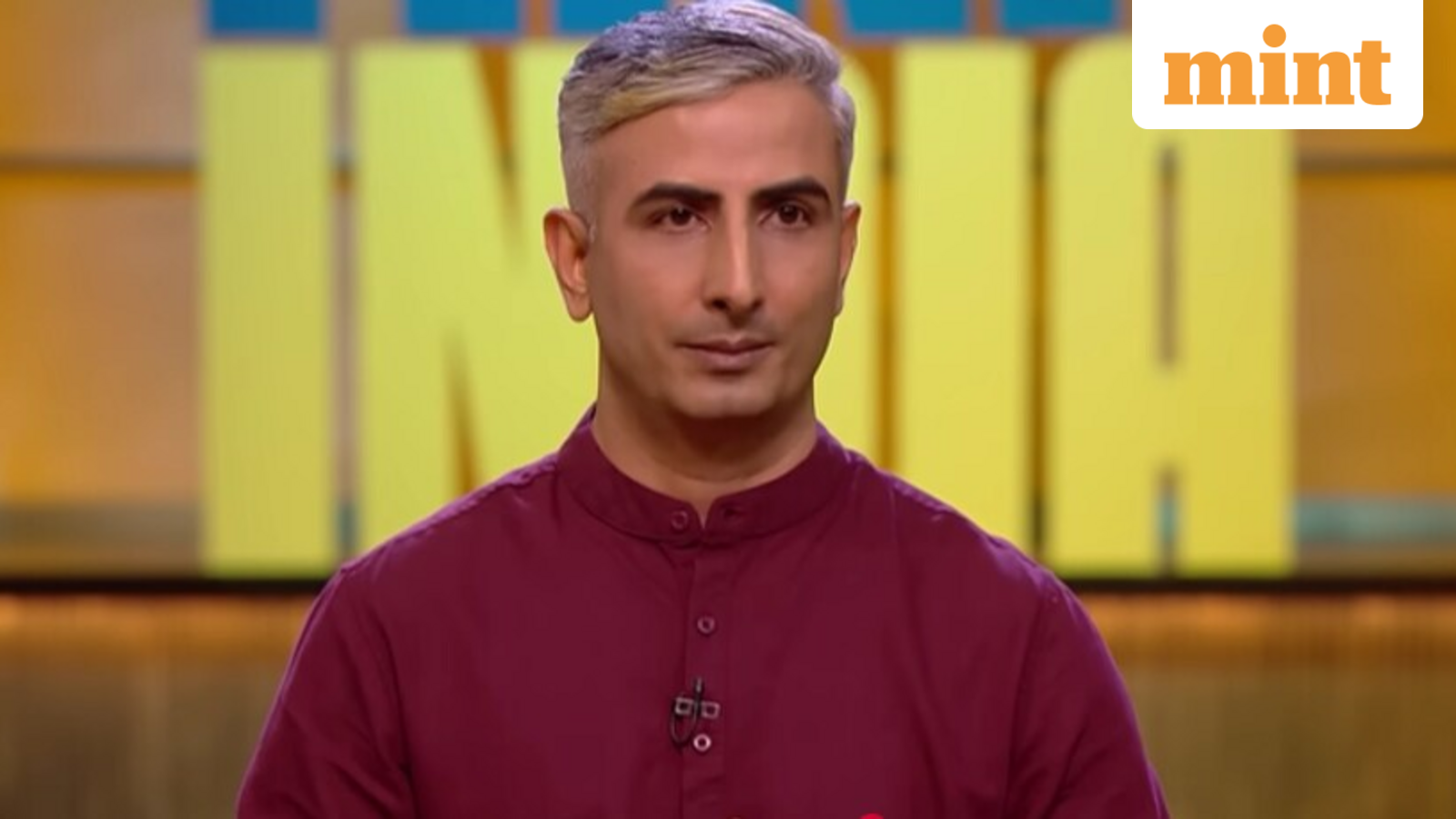
Shark Tank India Season 5 drama: Anupam Mittal, other judges dress down ‘naturopath’ – here's what went wrong
MINT· 2026-01-11 11:54
Core Insights - The recent episode of Shark Tank India featured influencer Dr. Manoj Das pitching his wellness brand, Lewisia Wellness, which focuses on natural skincare and haircare products, but his claims and use of the title "Doctor" raised significant concerns among the Sharks [1][2]. Group 1: Pitch Details - Dr. Manoj Das requested ₹1 crore for 1% equity in his brand, aiming to scale and expand in the wellness market [4]. - The brand reportedly generated profits of around ₹4 crore, with products having a 3.5 rating on Amazon [5]. Group 2: Sharks' Reactions - Anupam Mittal expressed disbelief over Das's use of the title "Doctor" based on his qualifications in aromatherapy, questioning the ethics of selling products that exploit consumer vulnerabilities [3]. - Kunal Bahl pressed for transparency regarding product ratings and reviews, which led to further scrutiny of Das's claims [5][6]. Group 3: Social Media Response - Following the episode, social media users criticized Dr. Manoj Das, labeling him a scammer and expressing skepticism about the sales figures he presented, highlighting a broader concern about consumer trust in the wellness industry [6].