White - collar slowdown

Search documents
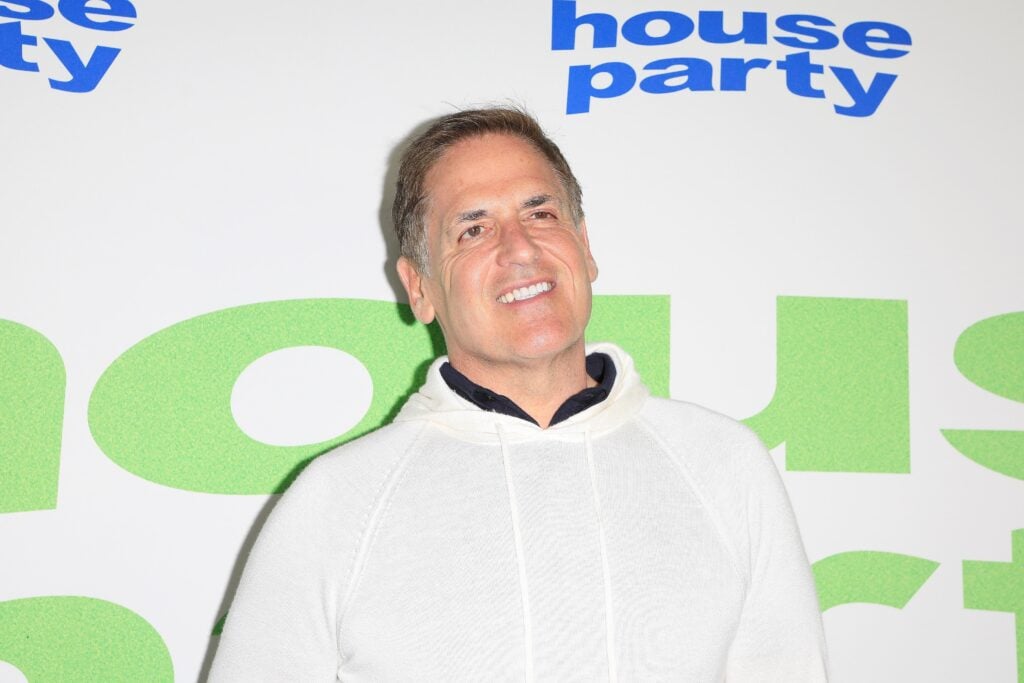
Why Mark Cuban Thinks New Grads Should Join Small Businesses Instead Of Chasing Silicon Valley Dreams: 'For Job Hunters, AI Is...'
Benzinga· 2025-12-26 08:17
Core Insights - Billionaire investor Mark Cuban advocates for new graduates to pursue jobs in small to medium-sized businesses (SMBs) to leverage their skills in agentic AI [1][3] - Cuban emphasizes that AI agents, which can perform tasks autonomously, represent a significant opportunity for job seekers to add value in SMBs, where such expertise is often lacking [2][4] Group 1: Job Market Insights - Cuban suggests that new graduates should focus on SMBs rather than large corporations, as their AI skills will be more valuable and noticeable in smaller firms [3] - The rise of agentic AI is highlighted, with spending projected to reach $155 billion by 2030, indicating a growing market for AI technologies [2] Group 2: AI Adoption Trends - A report indicates that the adoption of agentic AI in SMBs increased from 50% in December 2024 to 82% in May 2025, showcasing a rapid embrace of this technology [4] - The current job market shows that one-fourth of America's unemployed are college graduates, reflecting challenges in the employment landscape for this demographic [4]

One-Fourth Of America's Unemployed Are Now College Grads— Chamath Palihapitiya Warns Student Loans Are Fueling The Crisis - Invesco QQQ Trust, Series 1 (NASDAQ:QQQ), SPDR S&P 500 (ARCA:SPY)
Benzinga· 2025-11-25 11:45
Core Insights - The American labor market is experiencing a "white-collar slowdown," leading to a record high of unemployed college graduates, prompting calls for a significant reform in federal student lending [1][4]. Group 1: Unemployment Trends - College graduates now represent 25.3% of total unemployment, a figure that has doubled since the 2008 Financial Crisis, with over 1.9 million workers aged 25 and older currently unemployed [2]. - The unemployment rate for young Americans aged 20 to 24 has increased to 9.2%, a rise of 2.2 percentage points year-over-year, indicating volatility typically associated with recessions [3]. Group 2: Critique of Higher Education Financing - Chamath Palihapitiya argues that the U.S. Federal Government should cease underwriting college loans, claiming the current system traps students in unmanageable debt for degrees that are losing value [4]. - The rising unemployment among degree-holders challenges the assumption that higher education protects against joblessness, leading to increased scrutiny of federal subsidies [5]. Group 3: Economic Context - Despite a September jobs report showing the U.S. economy added 119,000 positions, top economists warn that rising unemployment suggests a need to reassess economic policies, with concerns about a "serious affordability crisis" driven by fiscal policies [5].