freedom of the press

Search documents
Trump UPSET at lack of media cheerleading for his war, tries bullying
MSNBC· 2026-03-18 04:52
This weekend Donald Trump took a page out of the Pete Hegset playbook, I'm going to call it, and decided that the issue that deserved his attention the most was not the war in Iran itself but how the press was covering that war. And one unhinged post to the press after another, and there were a lot, Trump patched up an alternative universe. One where the press was intentionally misleading the public about the facts on the ground in the Middle East to make him look bad.Now, without missing a beat, Trump's FC ...

FCC chair threatens broadcasters' licenses over Iran war coverage
MSNBC· 2026-03-16 16:36
about adding rex salty president trump endorsing g a new warning from his fcc chairman aimed at broadcasters over their coverage of the president's war with iran fcc chair Brendan Carr threatened to revoke their licenses over the coverage, accusing the media of running what he called hoaxes and news distortions related to the war without evidence, saying, quote, the law is clear. Broadcasters must operate in the public interest and they will lose their licenses if they do not. To be clear, the FCC licenses ...
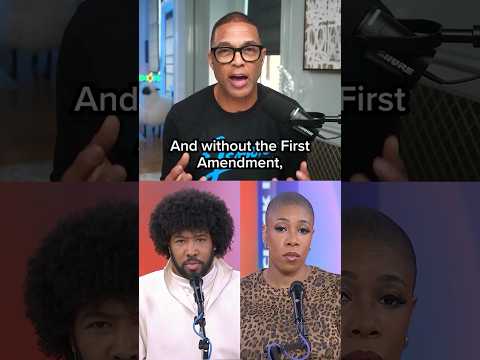
"Out of their rabbit ass minds": Don Lemon on Trump and critics after arrest
MSNBC· 2026-03-13 00:16
“If I can take this opportunity to bring about, to show people the importance of the First Amendment and freedom of the press, then by all means I'm going to do that and that's what I should be doing as a journalist.” Don Lemon joins Symone Sanders Townsend and Eugene Daniels on "Clock It with Symone and Eugene" to discuss why after being arrested by Trump's DOJ, defending the First Amendment is central to his motivation as a journalist. Watch the full episode: https://youtu.be/cl2mAPNGIRY MS NOW: My Source ...
'No Basis' to Revoke License Over Kimmel, FCC Commissioner Gomez Says
Bloomberg Television· 2025-09-19 16:39
First Amendment & FCC Authority - The core issue revolves around potential First Amendment violations, with concerns that the administration is using its power to pressure broadcasters to alter their news coverage [2][3] - The FCC's authority is limited regarding content regulation, primarily focusing on protecting children and not retaliating against broadcasters for legal content [5][6] - Revoking a station's license is an extremely rare and serious action, requiring a very high standard, and there is no basis for revoking licenses based on Jimmy Kimmel's content or normal editorial decisions [13][14] Corporate Capitulation & Media Pressure - Corporate capitulation to pressure from the administration is seen as harming democracy by undermining freedom of speech and freedom of the press [3][7] - The administration is perceived to be weaponizing transactions and deals to pressure companies to change how they report news, potentially demanding favorable coverage [21] - There are concerns that the FCC is initiating investigations at the staff level, potentially overstepping its bounds without judicial review [9][10] Complaints & Partisan Influence - Complaints have been filed against media companies, including those related to Jimmy Kimmel's comments, but these are often from partisan legal groups [17][18] - The Jimmy Kimmel show is considered satire, not news, and therefore does not meet the standard for news distortion [15][16] Settlements & Potential Interference - Disney previously paid $50 million to settle a defamation lawsuit, raising concerns about deals hinging on settling such cases [19] - The installation of a "truth arbiter" or ombudsman at Paramount is viewed as chilling interference in the freedom of the press [20]
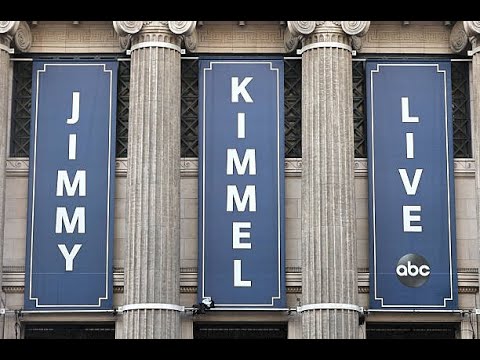
'No Basis' to Revoke License Over Kimmel, FCC Commissioner Gomez Says
Bloomberg Technology· 2025-09-19 16:29
First Amendment & FCC Authority - The core issue revolves around potential violations of the First Amendment, particularly concerning freedom of speech and freedom of the press [3] - The FCC's authority is limited in regulating content, primarily focusing on protecting children and ensuring programming standards, not retaliating against broadcasters for legal content [6] - Revoking a station's license is an extremely rare and serious action, requiring a very high standard [13] - The FCC does not have the constitutional right nor the ability to take action against broadcasters because of their content [5] Corporate Capitulation & Political Pressure - Concerns exist that the administration is using levers of power to pressure broadcasters and news media to alter their reporting and content [2][3] - Corporate capitulation to this pressure is seen as a fraying of the foundation of democracy [3] - The administration may weaponize transactions and demand changes in how broadcasters report to favor the administration [21] Complaints & Legal Actions - A partisan legal group has been filing numerous complaints against media companies, including those against 60 Minutes and Saturday Night Live [18] - Disney previously paid $50 million to settle a defamation lawsuit related to comments made by one of its hosts [19] Media Regulation & Bias - The approval of the Paramount Skydance deal included installing a "truth arbiter" to field complaints about media bias, which is considered a chilling effect on freedom of the press [20] - Jimmy Kimmel's show is considered satire, not news, and therefore does not meet the standard for news distortion [15][16]
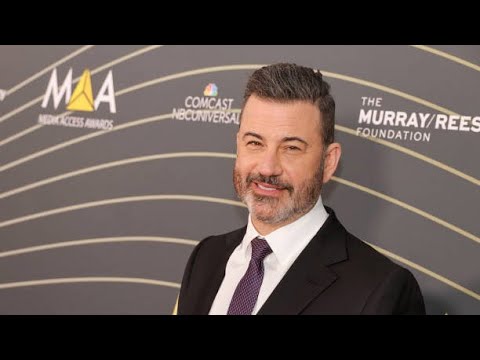
'Disservice to democracy': Reaction to ABC pulling Kimmel off air
MSNBC· 2025-09-18 20:51
Freedom of Speech and Media Independence - The discussion revolves around concerns that the US is moving away from democratic norms towards authoritarianism, particularly regarding freedom of the press and expression [1][3] - There's a perception of hypocrisy when US officials criticize other countries for suppressing free speech while similar actions are allegedly occurring domestically [4][5] - Government interference in media, such as using federal agencies to influence media companies, raises concerns about press freedom [7] - Comparisons are drawn between the current situation in the US and countries like Hungary and Turkey, where media has been strong-armed and aligned with political viewpoints [8] - The weakening of independent media, due to factors like declining viewership and financial instability, makes it more vulnerable to government or political influence [13][14] Media Landscape and Political Satire - The reliance on comedy shows for political news highlights the importance of satire in informing citizens and holding those in power accountable [15] - Taking away platforms with mass audiences disservices democracy and the value of satire [15] - Political satire is considered an important form of speech, and its suppression is seen as a sign of an unhealthy democracy [16] Cautions and Empirical Evidence - It's crucial to be careful and empirical when drawing analogies and making accusations of government interference in media [9][10] - There needs to be clear evidence to prove that actions, such as the removal of a show host, were directly influenced by government pressure [9][10]
'Climate of fear': Fmr Air Force secretary warns of Trump's 'abuse of power' in chilling TV intv
MSNBC· 2025-07-25 23:38
Regulatory & Political Influence - The FCC approved the 8 billion USD Paramount Skyance merger shortly after Skyance pledged to end DEI policies, raising concerns about potential weaponization of regulatory authority to control media content [1] - The administration is allegedly seeking an additional 20 million USD from Paramount for advertising and PSAs on causes favored by the administration [1] - The FCC Chairman ominously previewed future "consequences," raising concerns about potential targeting of specific media figures and outlets [1] Concerns & Criticisms - Concerns are raised about the administration using governmental power to retaliate against and control news media organizations, potentially violating First Amendment freedoms [1] - A former Biden administration official expressed concern that American institutions are under attack, experiencing a new sense of trepidation and fear due to potential abuse of power [1][2] - The administration is accused of weaponizing the executive branch to compel behaviors aligned with its political views, impacting various communities including national security, legal, universities, and industry [3][4][5] Impact on Arts & Free Speech - An artist canceled her Smithsonian show due to fears that a painting depicting a transgender woman as the Statue of Liberty might be removed because of the administration's potential reaction, highlighting a climate of censorship and intimidation [8][9][10] - There is a concern that institutions are choosing to comply and remain silent to avoid risking their businesses, nonprofits, or personal income, potentially jeopardizing the future of democracy [11]