
Trucking

Search documents
Werner Enterprises restructuring one-way fleet
Yahoo Finance· 2026-02-06 16:17
Core Insights - Werner Enterprises is restructuring its one-way truckload business to enhance fleet utilization and profitability, with changes expected to be completed in Q1, but financial impacts may not be evident until Q2 [1] Financial Performance - The company reported a net loss of $27.8 million, or 46 cents per share, for the quarter, which included $44.2 million in restructuring and impairment charges, primarily noncash [2] - Adjusted net income, excluding these charges, was $3.3 million, or 5 cents per share, which was below consensus estimates by 5 cents and down 3 cents year-over-year [2] - Consolidated revenue for the quarter was $738 million, a 2% decrease year-over-year and below the consensus estimate of $761 million [5] Business Strategy - Werner is transitioning its one-way business to more profitable services such as expedited, cross-border, and long-haul delivery using driver teams, while exiting unprofitable regional and short-haul operations [3] - The company is also integrating past fleet acquisitions to improve operational efficiency [3] - A significant move into dedicated trucking is underway, characterized by multiyear contracts with shippers, following the acquisition of dedicated carrier FirstFleet for $283 million, which added over 2,400 tractors and $615 million in revenue [4] Operational Metrics - Total truckload (TL) revenue decreased by 3% year-over-year to $513 million, with an adjusted operating ratio of 97.2%, which is 30 basis points worse than the previous year [5] - One-way revenue fell by 8% year-over-year, with average trucks in service declining by 10%, although revenue per truck per week increased by 2% [6] - The one-way fleet decreased from nearly 3,300 tractors in 2022 to less than 2,400 units, a 28% decline, yet the company anticipates participation in an improving spot market [7] - Dedicated revenue increased by 1% year-over-year, supported by a 2% rise in average truck count, despite a 1% decline in revenue per truck per week [7]

Georgia-based carrier with 128 drivers files for Chapter 11 bankruptcy
Yahoo Finance· 2026-02-06 15:20
Robert Bearden Trucking, a Southeast regional trucking carrier, has filed for Chapter 11 bankruptcy protection, according to court records. The Cairo, Georgia-based company filed its voluntary petition on Jan. 26 in the U.S. Bankruptcy Court for the Middle District of Tennessee, listing between 1 and 49 creditors. The debtor estimated both assets and liabilities in the range of $0 to $50,000 and indicated that funds may be available for distribution to unsecured creditors. As of early February, Federal ...
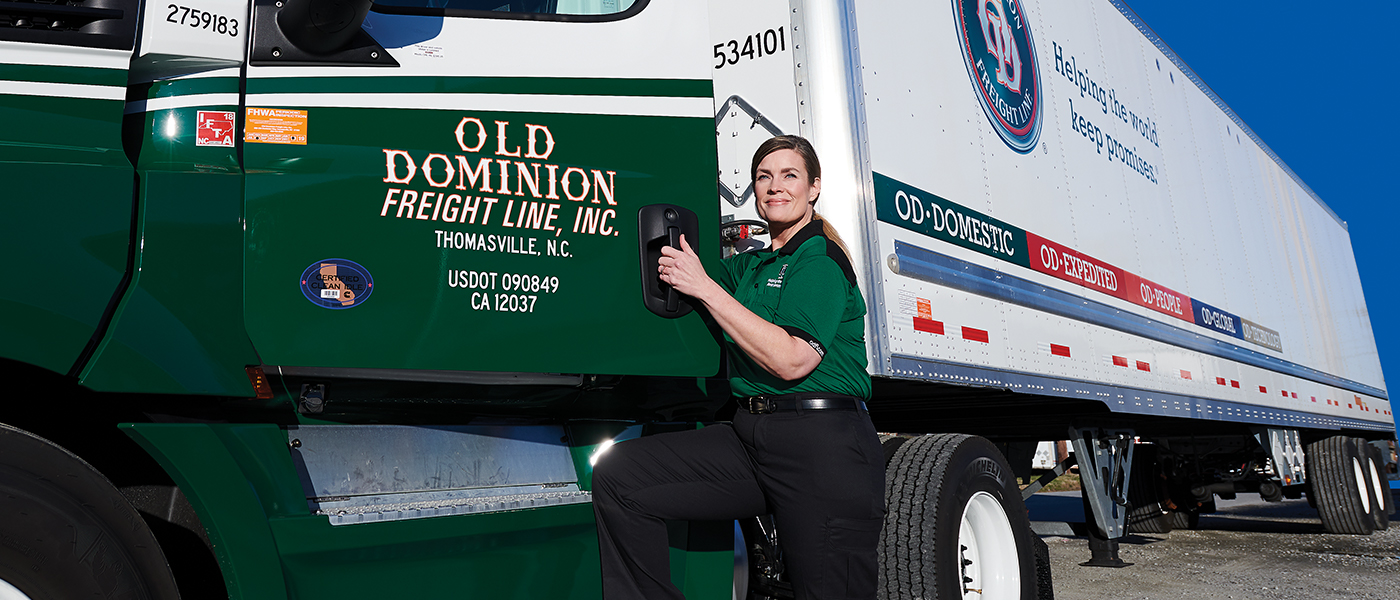
Old Dominion Freight Line, Inc. (NASDAQ: ODFL) Downgraded by Deutsche Bank Amid Valuation Concerns
Financial Modeling Prep· 2026-02-06 03:16
Core Viewpoint - Old Dominion Freight Line, Inc. has been downgraded by Deutsche Bank from "Buy" to "Hold" due to valuation concerns, despite strong financial performance in recent quarters [2][6] Financial Performance - Old Dominion reported fourth-quarter earnings of $1.09 per share, exceeding the consensus estimate of $1.06, although this was a decrease from $1.23 per share in the previous year, resulting in a +2.85% earnings surprise [3][6] - The company's revenue for the quarter was $1.31 billion, slightly above the anticipated $1.30 billion, despite a 5.7% year-over-year decline [3][4] Operational Metrics - The revenue decline was primarily attributed to a 10.7% drop in LTL tons per day [4] - Old Dominion maintains a strong financial health with a net margin of 18.97% and a return on equity of 24.92% [4] Market Reaction - Following the earnings report, Old Dominion's stock experienced a 6% drop in pre-market trading, settling at $196.00 [5][6] - Analysts adjusted their price targets, with Baird's Daniel Moore downgrading the stock to Underperform but raising the target to $204, while Jefferies' Stephanie Moore maintained a Hold rating and increased the target to $195 [5]


Stocks Slide as Software Selloff Deepens; Bitcoin Falls | The Close 2/5/2026
Youtube· 2026-02-06 00:17
Market Overview - The S&P 500 is down 1% and the NASDAQ 100 is down more than 1% during a rough trading session, indicating a deteriorating market sentiment [1][2] - Bitcoin has experienced a significant decline, dropping about 10% to around $65,000, erasing gains from previous weeks [2][4] Tech Sector Insights - The percentage of NASDAQ 100 stocks below the 100-day moving average has surpassed 50% for the first time since late November, indicating negative momentum in the tech sector [3] - Alphabet reported a 20% surge in revenue last quarter, but this has not alleviated skepticism among tech investors, raising concerns about Amazon's upcoming earnings [6][9] Investment Trends - There is a strong bid into Treasuries, with 10-year Treasury yields decreasing by six to seven basis points, reflecting a flight to safety amid market volatility [2][4] - The current market environment is characterized by a rotation rather than a wholesale selloff, with investors taking profits and becoming more cautious [21][78] Company-Specific Developments - Amazon's earnings report is highly anticipated, with expectations that it will reflect broader trends in the tech sector [9][26] - XPO shares have reached a record high, driven by strong performance in the retail and industrial sectors, indicating a potential recovery in these areas [59][60] Capital Expenditure Outlook - Alphabet has earmarked $182 billion for capital expenditures by 2026, suggesting a focus on long-term growth despite current market challenges [7] - The overall sentiment in the market is shifting towards questioning the return on investments, particularly in the tech sector [8] Consumer Behavior and Market Dynamics - The furniture retail sector, represented by Bob's Discount Furniture, is seeing a successful IPO, raising $331 million, indicating strong consumer demand despite economic uncertainties [27][29] - Tapestry, the parent company of Coach, reported record sales and earnings, highlighting effective brand strategies targeting younger consumers [66][72]

Werner Enterprises(WERN) - 2025 Q4 - Earnings Call Transcript
2026-02-05 23:02
Financial Data and Key Metrics Changes - Fourth quarter revenues totaled $738 million, down 2% year-over-year, with full-year revenues also declining by 2% [26] - Adjusted operating income was $11.3 million, and adjusted operating margin was 1.5% [26] - Adjusted EPS was $0.05, with consolidated gains on sale of property and equipment totaling $2.4 million, down from $6.5 million in the prior year [27] Business Line Data and Key Metrics Changes - Truckload transportation services revenue for the quarter was $513 million, down 3%, with revenues net of fuel surcharges also declining by 3% year-over-year [27] - Dedicated fleet revenue net of fuel was $292 million, up 1%, representing 65% of TTS trucking revenue, up from 63% a year ago [28] - One-way trucking revenue net of fuel was $156 million, a decrease of 8%, with average trucks decreasing by 10% year-over-year [30] Market Data and Key Metrics Changes - Logistics revenue was $208 million, representing 28% of total fourth quarter revenues, with revenues decreasing 3% year-over-year [34] - Intermodal revenues increased 24% almost entirely from higher volume, while final mile revenues increased 4% year-over-year [35] - The overall portfolio is increasingly more durable and resilient, improving revenue stability and enhancing the ability to produce steady revenue and earnings growth [21] Company Strategy and Development Direction - The company is focused on executing its strategy to position the business for revenue and earnings growth as demand returns, including restructuring its one-way trucking business [6][9] - The acquisition of FirstFleet is expected to enhance the company's dedicated business and provide a more scalable platform for sustainable growth [7][18] - The company aims to drive growth in core business, operational excellence, and capital efficiency as part of its strategic priorities [12][15] Management's Comments on Operating Environment and Future Outlook - Management sees signs of encouragement for the industry and expects a more positive outlook for 2026 due to ongoing capacity attrition and early signs of demand improvement [6][21] - The company acknowledges challenges in the first quarter due to significant storms and ongoing restructuring but anticipates a material inflection in earnings by Q2 [55][103] - Management remains confident in the company's strategy and execution, focusing on controlling what can be controlled to create long-term value [46] Other Important Information - The company has reduced costs by approximately $150 million over the last three years, with a focus on structural and sustainable savings [14] - The acquisition of FirstFleet was completed for a total purchase price of $282.8 million, expected to be cash flow accretive [39] - The average age of the truck and trailer fleet at the end of the fourth quarter was 2.7 and 5.6 years, respectively [44] Q&A Session Summary Question: What is the normalized earnings power expected for the company? - Management acknowledges the complexity of the current situation but sees opportunities for earnings growth in 2026, particularly from the restructuring and the acquisition of FirstFleet [50][52] Question: Can you elaborate on the one-way restructuring and its impact on rates? - Management explains that contract rate renewals have a lag effect, and the guidance reflects this. The focus is on yield and optimizing the fleet for better service outcomes [60][62] Question: What are the expected benefits from the FirstFleet acquisition? - Management anticipates $18 million in cost synergies, with a significant portion expected to be realized within 2026, leading to margin improvements [78][80] Question: How does the company view the industrial markets in 2026? - Management expresses optimism about the industrial markets, particularly in relation to the Mexico cross-border business, which is expected to perform well [95] Question: What are the expectations for Q1 margins and operating income? - Management acknowledges challenges in Q1 due to weather and restructuring but views these as temporary and expects improvements as the year progresses [102][103]
Werner Enterprises(WERN) - 2025 Q4 - Earnings Call Transcript
2026-02-05 23:02
Financial Data and Key Metrics Changes - Fourth quarter revenues totaled $738 million, down 2% year-over-year, with full-year revenues also declining by 2% [26] - Adjusted operating income was $11.3 million, and adjusted operating margin was 1.5% [26] - Adjusted EPS was $0.05, with consolidated gains on sale of property and equipment totaling $2.4 million, down from $6.5 million in the prior year [27] Business Line Data and Key Metrics Changes - Truckload transportation services revenue for the quarter was $513 million, down 3%, with revenues net of fuel surcharges also declining by 3% year-over-year [27] - Dedicated fleet revenue net of fuel was $292 million, up 1%, representing 65% of TTS trucking revenue, up from 63% a year ago [28] - One-Way trucking revenue net of fuel was $156 million, a decrease of 8%, with average trucks decreasing by 10% year-over-year [29] Market Data and Key Metrics Changes - The Dedicated business is expected to grow significantly with the acquisition of FirstFleet, which will increase Dedicated's share of TTS revenue from approximately 43% to over half [20] - Intermodal revenues increased by 24%, while Final Mile revenues increased by 4% year-over-year [35] - Spot rates performed consistent with seasonal trends, with expectations for an upward trend throughout the year as capacity exits and demand improves [24] Company Strategy and Development Direction - The company is focusing on restructuring its One-Way trucking business to enhance profitability and fleet utilization [33] - The acquisition of FirstFleet is aimed at accelerating the shift towards higher-margin, more resilient Dedicated business [18] - The company plans to drive growth in core business, operational excellence, and capital efficiency as part of its strategy for 2026 [12][15] Management's Comments on Operating Environment and Future Outlook - Management sees signs of encouragement for the industry and expects a more positive outlook for Werner in 2026 due to ongoing capacity attrition and early signs of demand improvement [6] - The restructuring actions taken in Q4 are expected to yield noticeable profitability enhancements by Q2 2026 [53] - Management acknowledges the challenges posed by recent storms but remains optimistic about the company's ability to generate operating leverage and improved earnings performance as demand normalizes [44] Other Important Information - The company has reduced costs by approximately $150 million over the last three years, with a focus on structural and sustainable savings [14] - The total purchase price for FirstFleet was $282.8 million, funded through a combination of cash and debt [39] - The average age of the truck and trailer fleet at the end of the fourth quarter was 2.7 and 5.6 years, respectively [43] Q&A Session Summary Question: What is the normalized earnings power expected for the company? - Management sees opportunities for earnings growth in 2026, emphasizing that the restructuring of One-Way will not hinder participation in market inflections [50][52] Question: Can you elaborate on the One-Way restructuring and its impact on rates? - The restructuring is aimed at improving profitability and fleet utilization, with a focus on specialized freight [57][60] Question: What is the expected impact of FirstFleet on profitability? - FirstFleet's margins are lower than Werner's Dedicated margins, but identified cost synergies of $18 million are expected to improve margins significantly over time [76][78] Question: How does the company view the industrial markets in 2026? - Management expresses optimism about the industrial markets, particularly in relation to the Mexico cross-border business, which is performing well [93] Question: What are the expectations for Q1 margins and operating income? - Management acknowledges challenges from severe weather but anticipates some degree of margin improvement compared to the previous year [100]
Werner Enterprises(WERN) - 2025 Q4 - Earnings Call Transcript
2026-02-05 23:00
Financial Data and Key Metrics Changes - Fourth quarter revenues totaled $738 million, down 2% year-over-year, with full-year revenues also declining by 2% [19] - Adjusted operating income was $11.3 million, and adjusted operating margin was 1.5% [19] - Adjusted EPS was $0.05, with consolidated gains on sale of property and equipment totaling $2.4 million, down from $6.5 million in the prior year [19] Business Line Data and Key Metrics Changes - Truckload transportation services revenue for the quarter was $513 million, down 3%, with revenues net of fuel surcharges also declining by 3% year-over-year [19] - Dedicated fleet revenue net of fuel was $292 million, up 1%, representing 65% of TTS trucking revenue, an increase from 63% a year ago [21] - One-way trucking revenue net of fuel was $156 million, a decrease of 8%, with average trucks decreasing by 10% year-over-year [22] Market Data and Key Metrics Changes - The dedicated business continues to perform well, with a strong pipeline of opportunities and early realization of rate increases [6] - Logistics revenue was $208 million, representing 28% of total fourth quarter revenues, with intermodal revenues increasing by 24% [25] - Spot rates performed consistent with seasonal trends, with expectations for an upward trend throughout the year as capacity exits and demand improves [17] Company Strategy and Development Direction - The company is focusing on restructuring its one-way trucking business to enhance profitability and fleet utilization [24] - The acquisition of FirstFleet is expected to accelerate the shift towards higher-margin, more resilient dedicated business [14] - The company aims to drive growth in core business, operational excellence, and capital efficiency as part of its strategic priorities [10] Management's Comments on Operating Environment and Future Outlook - Management sees a more positive outlook for 2026, with signs of demand improvement and ongoing capacity attrition [4] - The restructuring actions taken are expected to result in noticeable profitability enhancements by the second quarter of 2026 [6] - Management acknowledges the challenges posed by recent storms but remains optimistic about the company's ability to adapt and grow [63] Other Important Information - The company has reduced costs by approximately $150 million over the last three years, with a focus on structural and sustainable savings [10] - The total purchase price for FirstFleet was $282.8 million, funded through a combination of cash and debt [29] - The average age of the truck and trailer fleet at the end of the fourth quarter was 2.7 and 5.6 years, respectively [32] Q&A Session Summary Question: What is the normalized earnings power expected for 2026? - Management sees opportunities for earnings growth and believes the restructuring will lead to a more agile operation, complemented by the acquisition of FirstFleet [37] Question: Can you explain the one-way restructuring and its impact on rates? - The restructuring is aimed at improving profitability and fleet utilization, with a focus on specialized services [40] Question: What is the expected impact of FirstFleet on profitability? - FirstFleet's margins are lower than the company's dedicated margins, but identified cost synergies of $18 million are expected to improve margins significantly over time [50] Question: How does the company view the industrial markets in 2026? - Management expresses optimism about the industrial markets, particularly in relation to packaging and e-commerce, which are expected to drive demand [60]
First look: Werner’s Q4 misses mark
Yahoo Finance· 2026-02-05 22:07
Core Viewpoint - Werner Enterprises reported a cost-burdened fourth quarter with results falling short of estimates, even after adjusting for nonrecurring items [1][2]. Financial Performance - The company reported a fourth-quarter net loss of $27.8 million, or 46 cents per share, which included $44.2 million in restructuring and impairment charges, primarily noncash items [2]. - Adjusted net income, excluding these charges, was $3.3 million, or 5 cents per share, which was 5 cents below consensus and 3 cents lower year-over-year [2]. - Consolidated revenue for the quarter was $738 million, a 2% decrease year-over-year, and below the consensus estimate of $761 million [4]. - Total truckload (TL) revenue decreased by 3% year-over-year to $513 million, with an adjusted operating ratio of 97.2%, which was 30 basis points worse than the previous year [4]. Operational Changes - The company initiated a restructuring of its one-way truckload unit during the quarter to enhance fleet utilization, eliminate unprofitable freight, and restore profitability to the segment [3]. - The average number of one-way trucks in service was reduced by 10% year-over-year, while revenue per truck per week increased by 2%, leading to an overall 8% revenue decline [5]. - Miles per truck per week improved by 2%, although revenue per total mile experienced a slight decline [5]. Future Guidance - The company provided guidance indicating that revenue per total mile in one-way is expected to be flat to up 3% year-over-year in the first half of 2026 [6]. - For the full year of 2026, revenue per truck per week in dedicated services is anticipated to decline by 1% to increase by 2% year-over-year [6].
Werner Enterprises(WERN) - 2025 Q4 - Earnings Call Presentation
2026-02-05 22:00
4Q25 AND FULL YEAR 2025 EARNINGS PRESENTATION FEBRUARY 5, 2026 1 DISCLOSURE STATEMENT This presentation may contain forward-looking statements within the meaning of Section 27A of the Securities Act of 1933, as amended, and Section 21E of the Securities Exchange Act of 1934, as amended, and made pursuant to the safe harbor provisions of the Private Securities Litigation Reform Act of 1995, as amended. Such forward-looking statements are based on information presently available to the Company's management an ...