CCUS行业(二氧化碳捕集

Search documents
国内首例!扬州污泥发电有“绝活”
Yang Zi Wan Bao Wang· 2025-10-20 00:59
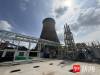
Core Points - The first domestic sludge power plant carbon capture, utilization, and storage (CCUS) demonstration project has officially commenced construction in Yangzhou Economic Development Zone, with a designed carbon capture capacity of 1,000 tons per year, aiming to reduce carbon dioxide emissions by the same amount annually [1][3] Group 1: Project Overview - The project is implemented by Huakan Technology (Yangzhou) Co., Ltd., leveraging the CCUS technology team from China University of Mining and Technology, and is supported by the Yangzhou Economic and Technological Development Zone Science and Technology Bureau and Jiangsu Provincial Industrial Technology Research Institute [3] - The project has completed on-site installation and is currently in the phase of individual and joint debugging, focusing on recovering 9%-12% low-concentration flue gas generated by the Yangzhou Port sludge power plant [3] Group 2: Resource Utilization - Captured carbon dioxide can be utilized in multiple ways, such as converting it into food-grade dry ice for food processing and cold chain transportation, or collaborating with industrial solid waste like fly ash and steel slag for mineral utilization to produce high-value products like nano-calcium carbonate [5] - This initiative aligns with the green development philosophy of Yangzhou Economic and Technological Development Zone, which has established four national-level green factories and eight provincial-level green factories, and has implemented 18 energy-saving renovation projects [5] Group 3: Environmental Impact - The project contributes to the national goal of achieving carbon peak and carbon neutrality, providing a practical pathway for both carbon reduction and carbon value enhancement [5] - Yangzhou has been recognized as a provincial-level "carbon peak, carbon neutrality" pilot park and a national-level green industrial park in 2024, further solidifying its commitment to energy conservation and emission reduction [5]