Fresh Food E-commerce

Search documents
股价暴跌 97% 却活成模范盈利选手,叮咚买菜打响“江浙沪保卫战”
Sou Hu Cai Jing· 2025-11-24 09:04
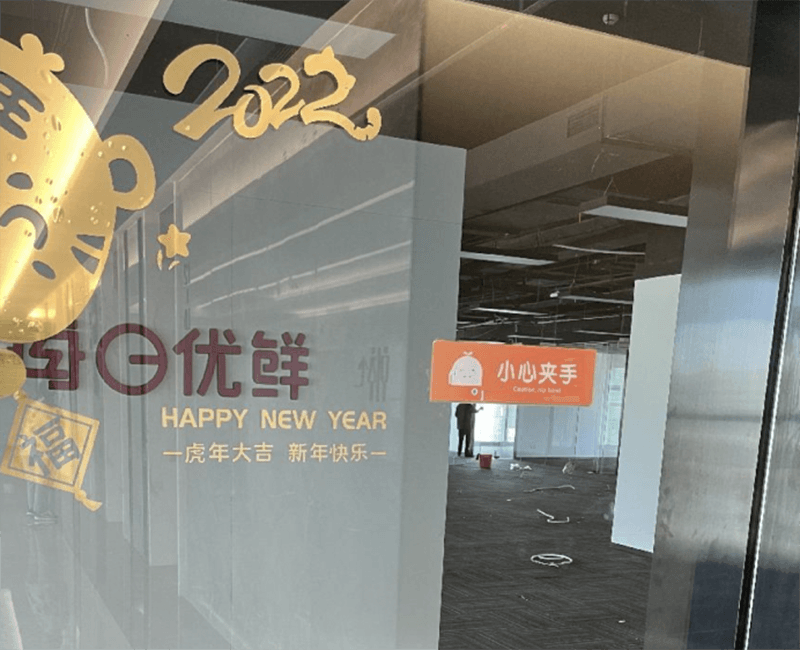
Core Insights - The article discusses the contrasting fates of two major players in the fresh food e-commerce sector in China: Dingdong Maicai and Meiri Youxian, highlighting the challenges and strategies in the industry [1][3][10]. Group 1: Company Performance - Dingdong Maicai reported a revenue of 6.66 billion yuan for Q3 2025, a year-on-year increase of 1.9%, with a GMV of 7.27 billion yuan, up 0.1% [2][5]. - The company achieved its first quarterly profit under both GAAP and Non-GAAP standards in Q4 2022, and in Q3 2025, it reported a net profit of 100 million yuan under Non-GAAP standards, with a net profit margin of 1.5% [9][20]. - In contrast, Meiri Youxian's revenue growth stagnated, with a reported revenue of 6.95 billion yuan in 2021, and it faced significant losses, leading to its eventual closure of most operations [5][8]. Group 2: Strategic Shifts - Dingdong Maicai has adopted a strategy of focusing on fewer, high-value customers rather than competing on price, which has led to a more sustainable business model [2][18]. - The company has significantly reduced its operational footprint, closing numerous warehouses in less profitable regions and concentrating its efforts in the Jiangsu-Zhejiang-Shanghai area, where it has established a strong market presence [9][12][13]. - The shift to a "small but beautiful" strategy has resulted in a slowdown in revenue growth but has improved profitability metrics, indicating a more cautious and refined approach to market expansion [10][19]. Group 3: Market Dynamics - The fresh food e-commerce sector is characterized by intense competition, with major players like Alibaba, JD, and Meituan intensifying their efforts in instant retail, which has impacted Dingdong Maicai's user base [2][15]. - The industry's previous focus on rapid expansion and market share has been challenged by the inherent difficulties in achieving profitability within the fresh food segment, leading to a reevaluation of business models [10][21]. - Dingdong Maicai's operational efficiency has improved, with a fulfillment cost rate of 21.5% in Q3 2025, down from 49.9% in 2019, reflecting better management of logistics and order density [12][20].