
Gold Recycling

Search documents
报价虚高 称重缩水 回收热背后存隐忧
Xin Lang Cai Jing· 2026-01-24 17:36
Core Insights - The recent surge in gold prices has led to increased activity in the gold recycling market, with many consumers opting to cash in their gold holdings at high prices [1][2] - However, the gold recycling process is fraught with issues such as inflated quotes, weight discrepancies, and difficulties in consumer rights protection [1][3] Group 1: Market Activity - International and domestic gold prices have reached historical highs, prompting a significant increase in gold sales by consumers [1][2] - In Shenzhen's Shui Bei gold market, there has been a noticeable rise in the number of customers selling gold, with reports of individual transactions exceeding hundreds of grams [2] - The "Love Recycling" service from Wanwu Xingsheng Group reported a 146.9% year-on-year increase in gold recycling volume from January 1 to January 21 [2] Group 2: Consumer Issues - Consumers face several challenges in the gold recycling process, including inflated pricing, weight loss during transactions, and lack of accountability from service providers [3][5] - Common complaints include high initial quotes followed by deductions for "depreciation" and "purification fees," as well as discrepancies in weight and purity assessments [3][5] Group 3: Recycling Channels - Various gold recycling channels exist, including banks, brand gold stores, professional recyclers, second-hand trading platforms, pawnshops, and individual merchants, each with differing service levels and fee structures [5][6] - Banks typically offer lower fees but may not accept jewelry, while brand stores often combine recycling with "trade-in" offers [5] Group 4: Industry Standards - The "Gold Recycling Service Standards" drafted by the China Gold Association in December 2025 aims to establish a comprehensive framework for the industry, though it is not a mandatory national standard [6] - The implementation of these standards is expected to take time, and many small merchants still lack the necessary qualifications and equipment for proper gold testing [6] Group 5: Consumer Recommendations - Industry professionals recommend that consumers choose reputable channels, prepare in advance, supervise the recycling process, and retain evidence of transactions [7] - Consumers should be informed about current gold prices, purity testing, and weight calculations, and should confirm all fees in writing before proceeding with transactions [7]

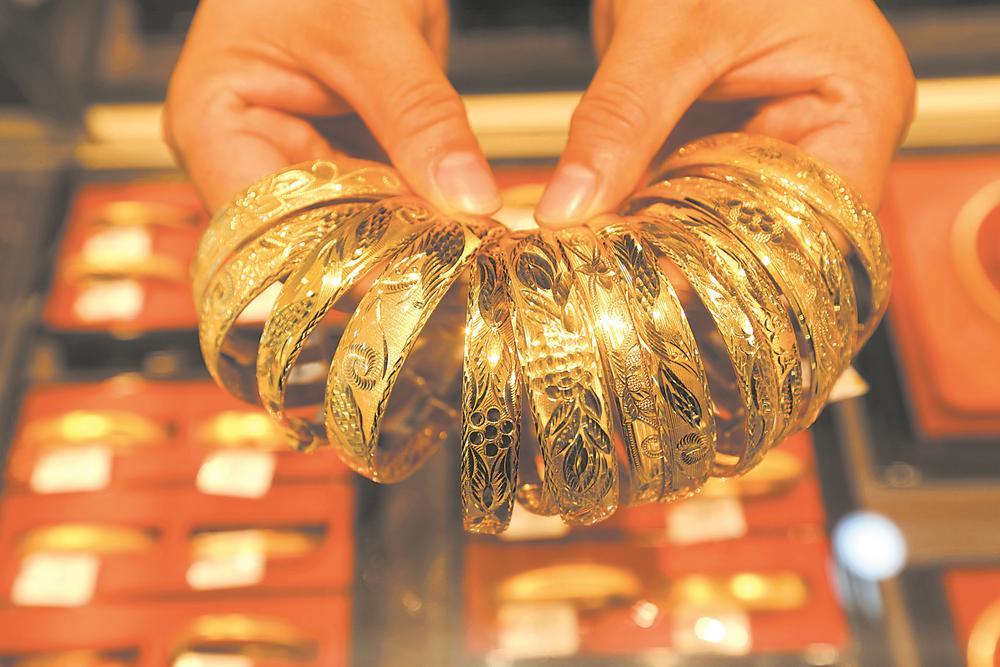
黄金回收渠道增多,投资者须多比价
Guang Zhou Ri Bao· 2025-07-25 08:44
Core Insights - The recent high volatility in international and domestic gold prices has led to an increase in investor demand for gold recycling [1] - The emergence of smart gold recycling machines, resembling ATMs, offers a convenient and flexible option for consumers to recycle gold [2] - Different recycling channels have varying rules and fees, prompting consumers to compare options before making decisions [3] Market Phenomenon - Smart gold recycling machines provide a visualized detection process and allow for both self-service recycling and purchasing of gold [2] - The machines accept gold items with a gold content of over 50% and a minimum weight of 3 grams, ensuring that only the gold portion is assessed for purity [2] - The final settlement price for recycled gold is determined after melting and weighing, similar to traditional gold store processes [2] Recycling Channel Differences - The gold recycling market has seen a significant increase in activity, with some businesses reporting a surge of over 200% in transaction volume [3] - Various entities, including banks, jewelry stores, and specialized recycling institutions, offer gold recycling services, each with distinct rules regarding pricing and fees [3] - Consumers are advised to choose reputable channels for selling gold and to compare different options carefully to avoid losses [3] Investment Considerations - Most gold recycling institutions base their pricing on real-time rates from the Shanghai Gold Exchange and international gold prices, with a typical price difference of 1% to 2% [5] - Industry experts recommend that investors verify the weight and purity of gold on-site and choose transparent channels for recycling [5] - The active gold recycling business reflects market responses to gold price fluctuations, emphasizing the importance of rational assessment and risk prevention in investment decisions [5]