Hair Dryer

Search documents
行业聚焦:全球负离子高速吹风机市场头部企业份额调研(附Top 10 厂商名单)
QYResearch· 2025-10-22 08:34
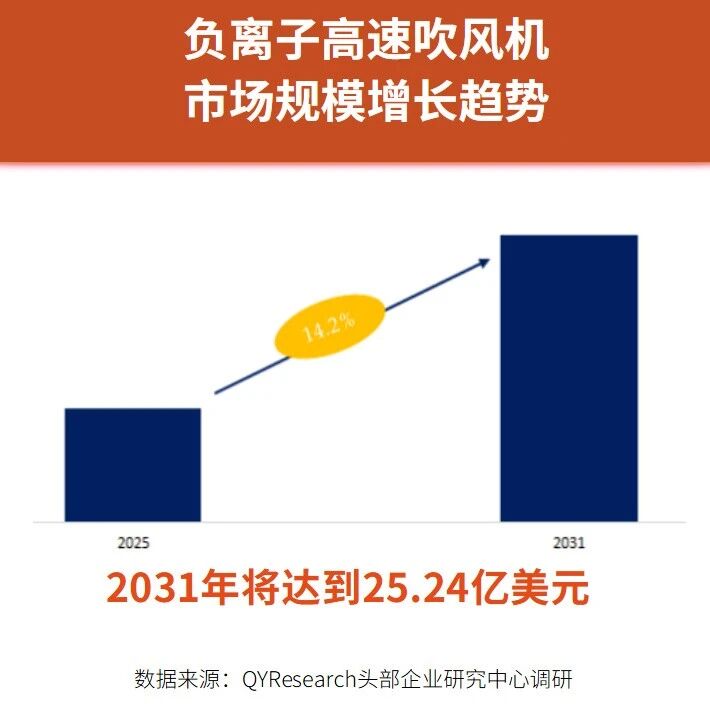
Core Viewpoint - The negative ion high-speed hair dryer market is experiencing robust growth driven by technological advancements and changing consumer preferences, transitioning from a luxury item to a mass-market product [2][10]. Market Overview - The global market size for negative ion high-speed hair dryers is projected to reach $996 million in 2024 and $2.524 billion by 2031, with a compound annual growth rate (CAGR) of 14.2% from 2025 to 2031 [3]. Industry Trends - **Smart Function Integration**: The industry is moving towards smarter products with features like humidity detection and automatic adjustment of temperature and airflow, enhancing user experience beyond basic drying functions [7]. - **Multifunctional and Personalized Design**: Manufacturers are integrating various additional features to meet comprehensive care needs, such as combining negative ion technology with fragrance release and antibacterial coatings [8]. - **Sustainability and High-Performance Upgrades**: There is a focus on sustainable development, with the use of recyclable materials and energy-efficient motor designs, alongside continuous performance enhancements [9]. Market Opportunities - **Emerging Market Expansion**: Regions like Southeast Asia, Latin America, and the Middle East present significant growth potential due to rising disposable incomes and increased awareness of hair health [10]. - **Cross-Industry Collaboration**: Partnerships with beauty salons, hair care brands, and tech companies can open new growth channels and enhance product offerings [11]. - **Diversified Application Expansion**: Beyond household use, there is strong growth in commercial and niche markets, such as hotels upgrading to high-end products and customized solutions for medical institutions [12]. Industry Challenges - **Intense Market Competition**: The presence of numerous participants, from international brands to local low-cost manufacturers, leads to fierce price competition, making product differentiation increasingly difficult [13]. - **Supply Chain Volatility Risks**: Dependence on key components makes the industry vulnerable to supply chain disruptions and raw material price fluctuations [14]. - **Regulatory and Compliance Burdens**: Meeting various safety and environmental standards increases the market entry barriers for smaller manufacturers and raises compliance costs [15]. Future Outlook - The market will be driven by deeper technological integration and more precise user segmentation, with advancements in core motor technology and smart features expected to enhance the overall user experience [18].