IGBT制造业

Search documents
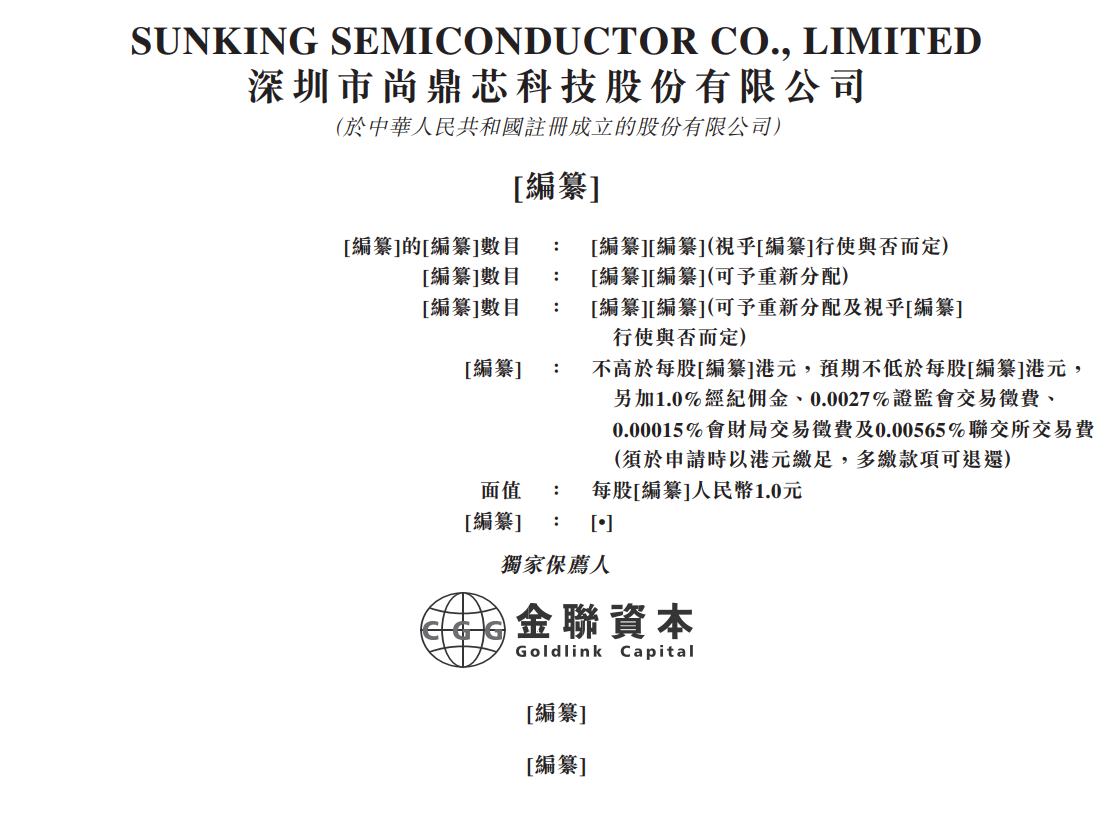
新股消息 | 尚鼎芯二度递表港交所 为无晶圆厂功率半导体供应商
智通财经网· 2025-12-03 01:09
Company Overview - Shangdingxin is a fabless power semiconductor supplier specializing in the development and supply of customized power device products, primarily focusing on MOSFETs, IGBTs, GaN MOSFETs, and SiC MOSFETs [3][4] - The company provides tailored technical application solutions for clients, enhancing the functionality of electrical devices and products used in various applications, including consumer electronics, industrial control, automotive electronics, renewable energy, and medical devices [3] Industry Insights - The global power device market, which includes components like thyristors, transistors, and diodes, is projected to grow from approximately $23 billion in 2019 to about $28.8 billion by 2024, with a compound annual growth rate (CAGR) of around 4.6% [9] - The Chinese MOSFET market is expected to grow from approximately $3.3 billion in 2019 to about $5.9 billion by 2024, reflecting a CAGR of approximately 12.2% [11] - The IGBT market in China is projected to increase from about $1.8 billion in 2019 to approximately $3.1 billion by 2024, with a CAGR of around 11.7% [13] Financial Performance - The company recorded revenues of RMB 167.3 million, RMB 113.1 million, RMB 121.7 million, and RMB 105.2 million for the fiscal years 2022, 2023, 2024, and the nine months ending September 30, 2025, respectively [5] - The profit figures for the same periods were RMB 53.6 million, RMB 31.0 million, RMB 35.1 million, and RMB 30.3 million [6] - The gross profit margins for the years 2022, 2023, 2024, and the nine months ending September 30, 2025, were 55.8%, 55.0%, 56.9%, and 57.1%, respectively [7] Market Trends - The demand for MOSFETs is expected to continue growing due to their applications in consumer electronics, automotive, and renewable energy systems, driven by advancements in third-generation semiconductor materials like SiC and GaN [4][11] - The automotive industry, particularly electric vehicles, is anticipated to be a significant growth driver for power devices, supported by stricter emissions regulations in regions like the EU and China [9]