Non - Banking Financial Companies

Search documents
Non-bank funding grows faster as India Inc cuts reliance on bank credit
The Economic Times· 2025-12-25 00:30
Group 1 - Overall outstanding credit to the commercial sector, combining banks and non-bank sources, reached ₹290.38 lakh crore as of November-end, marking a 13.2% increase from ₹256.5 lakh crore a year ago [1][7] - Credit from banks to the commercial sector rose 11.4% year-on-year to ₹194.48 lakh crore, while funding through non-banking sources surged 17% to ₹95.91 lakh crore, according to RBI data [3][7] - The incremental flow of financial resources to the commercial sector, including bank loans, NBFC credit, and corporate bonds, stood at ₹22.56 lakh crore as of November 28, reflecting a 23% rise from the previous year [5][7] Group 2 - For FY26 year-to-date, banks added ₹12.4 lakh crore, an 18% increase, while non-bank sources contributed ₹10.1 lakh crore, up 29% [5][7] - India Inc is diversifying funding requirements by tapping non-banking sources such as equity markets and corporate bonds, indicating a structural shift toward market-based financing amid a rate easing cycle [7]



MUFG to acquire 20% stake in Shriram Finance for ₹39,618 crore
BusinessLine· 2025-12-19 07:16
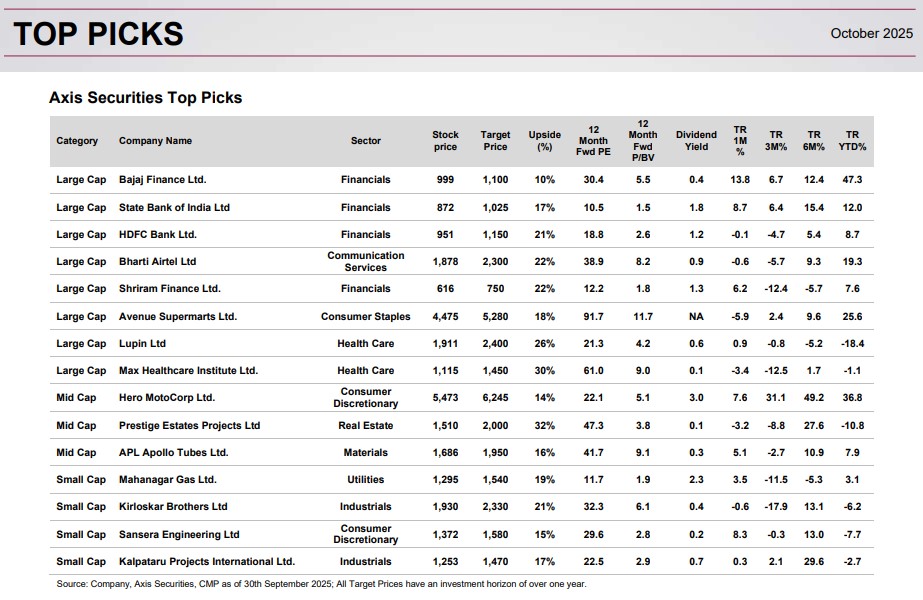
Core Insights - Shriram Finance Limited (SFL) has approved a significant investment of ₹39,618 crore (USD 4.4 billion) from MUFG Bank, resulting in MUFG acquiring a 20% stake in SFL, which is India's second-largest retail Non-Banking Financial Company (NBFC) by assets under management (AUM) [1][2] Investment Details - This investment represents the largest Foreign Direct Investment (FDI) in a financial services company in India and MUFG's largest investment in the country [2] - SFL's AUM exceeds ₹2.81 lakh crore, indicating a strong financial position [2] Strategic Collaboration - The collaboration is expected to enhance SFL's access to low-cost liabilities, strengthen its credit ratings, and align its governance and operational practices with global standards [4] - The fund infusion will significantly improve SFL's capital adequacy, strengthen its balance sheet, and provide long-term growth capital [5] Growth Vision - Umesh Revankar, Executive Vice Chairman of SFL, emphasized that this transaction marks a pivotal moment in SFL's growth journey, highlighting MUFG's extensive international network and commitment to financial inclusion [7] - The entry of MUFG as a key investor is seen as a reinforcement of global confidence in India's financial services sector and SFL's leadership role within it [8] Economic Impact - Hironori Kamezawa, Group CEO of Mitsubishi UFJ Financial Group, stated that MUFG and SFL share a common vision for future growth and economic development in India [8] - MUFG has a legacy of over 130 years in India, having invested USD 1.7 billion and created approximately 5,000 jobs, showcasing its long-term commitment to the Indian market [9]
Defence may gain from Budget push; PSU banks, affordable housing finance in focus: Ambareesh Baliga
The Economic Times· 2025-12-17 04:59
Group 1: Defence Sector - The defence sector remains a policy priority for the government, with sustained order inflows indicating strong demand [6] - Capacity bottlenecks have led to execution delays over the past one-and-a-half to two years, affecting companies like HAL and shipbuilders [6] - If the upcoming Union Budget addresses these capacity constraints and increases private sector participation, it could significantly improve delivery timelines for defence stocks [6] Group 2: Public Sector Banks (PSU) - Preference is currently given to public sector banks (PSU banks) over private sector peers, as PSU banks have shown strong performance while private banks have underperformed [6] - Improving balance sheets and stronger quarterly performance are noted, with expectations of meaningful consolidation in the PSU banking space over the next three to four quarters [2][6] - Key beneficiaries of potential consolidation include State Bank of India, Punjab National Bank, and Canara Bank [6] Group 3: Non-Banking Financial Companies (NBFCs) - Among NBFCs, gold loan companies have performed well, but their valuations may be stretched [2] - A focus on housing finance companies, particularly those targeting affordable housing, is recommended, with Aavas Financiers highlighted as a preferred pick due to its strong exposure to tier II, tier III, and rural markets [2][6] Group 4: US-India Trade Deal - Market expectations for a US-India trade deal have cooled significantly, with previous hopes for a deal by November or December now uncertain [5][6] - Despite the delay, it is not seen as a major negative, as India's trade deficit is low and the rupee has corrected sharply [6] - A trade deal could serve as a short-term trigger for markets, but equities are not overly dependent on it at this stage [6]
Some NBFCs could convert into banks to support GDP growth: DFS Secy
BusinessLine· 2025-11-06 14:52
Core Insights - India aims to become a developed country by 2047, necessitating the extension of more bank licenses to non-banking finance companies (NBFCs) and universal bank licenses for small finance banks (SFBs) [1] - The transition to digital credit offtake is expected to be significant by 2047, highlighting the need for new banks to cater to diverse segments and industries [2] - Compliance standards must be prioritized by lenders as they grow larger in size, with NBFCs and SFBs being potential sources for new banks [3] Regulatory Environment - Indian NBFCs operate under different regulatory standards compared to banks, with many large NBFCs being run by major corporate groups, such as Bajaj Finance and Tata Capital [4] - The Reserve Bank of India restricts corporate groups from owning bank licenses due to conflict of interest concerns, and many large NBFCs do not possess deposit-accepting licenses [4] Economic Goals - To achieve the vision of Vikasit Bharat by 2047, India's GDP must expand to $30 trillion, with per capita income increasing to $20,000-$22,000 [5] - Banks are required to grow credit at an average annual rate of 13%, while GDP must grow by 9.3% each fiscal year to meet these economic targets [5] - There is a need for banks to focus on providing loans for agriculture, micro, small and medium enterprises, and education to support GDP and per capita income growth [5]
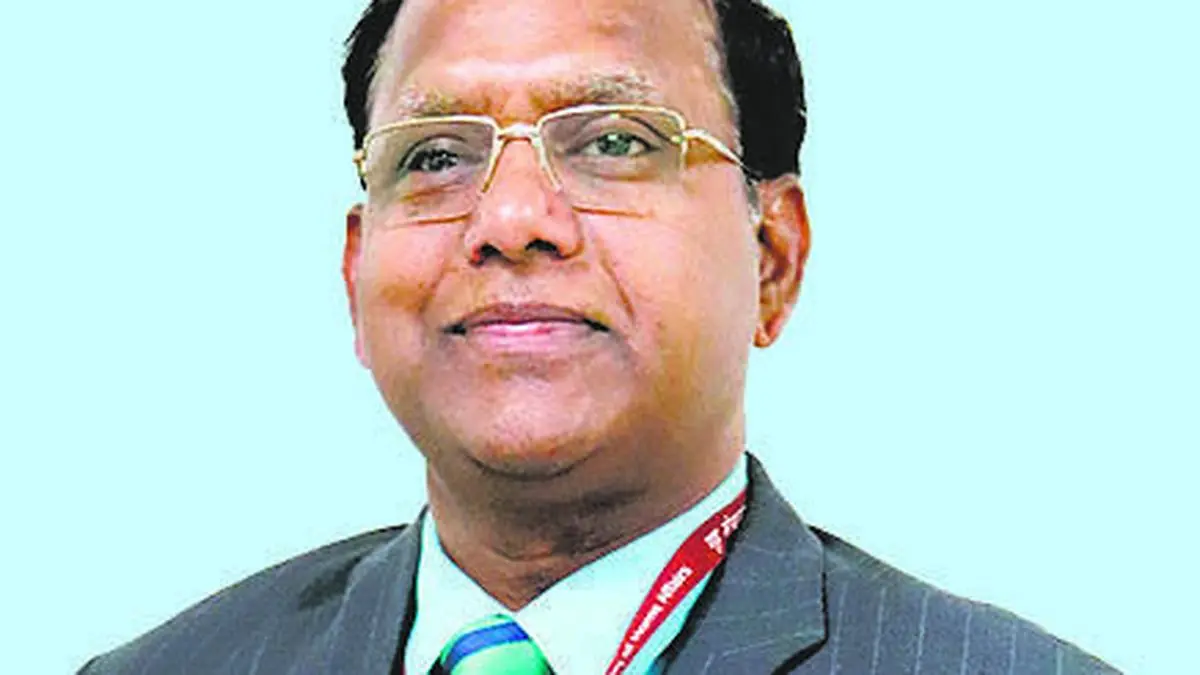
15 Stock Picks For October 2025 with up to 32% upside gain potential by Axis Securities
Rakesh Jhunjhunwala· 2025-10-01 14:18
Core Viewpoint - The Indian market has underperformed compared to the US and other emerging markets, presenting a long-term equity investment opportunity as it trades at a 49% PE premium to the EM index, which is attractive historically [2][3] Market Performance - Year-to-date, the Indian market has lagged behind the US and other emerging markets, with a notable 49% PE premium to the EM index, down from a peak of 97% in September 2024 [2] - Domestic Institutional Investors (DIIs) have invested $65.2 billion in the Indian market, while Foreign Institutional Investors (FIIs) have sold $17.4 billion, indicating a shift towards domestic investment [2] Investment Strategy - The focus remains on "Growth at a Reasonable Price," emphasizing quality stocks, monopolies, and market leaders in domestic sectors [1][3] - A cautious stance is maintained on export-oriented sectors due to tariff concerns and macroeconomic uncertainties [3] Sector Preferences - The market outlook favors sectors such as BFSI (Banking, Financial Services, and Insurance), Telecom, Consumption, Hospitals, and interest-rate proxies [3] - Positive views are held on retail consumption plays and certain capex-oriented stocks that show growth visibility for FY26 [3] Stock Recommendations - Recent changes in top picks include booking profits in Varun Beverages and adding Mahanagar Gas, reflecting a preference for growth at reasonable prices [4] - Recommended stocks include HDFC Bank, Bajaj Finance, Shriram Finance, Avenue Supermarts, State Bank of India, Lupin, Hero Motocorp, Max Healthcare, Kirloskar Brothers, Kalpataru Projects, APL Apollo Tubes, Mahanagar Gas, Bharti Airtel, Prestige Estates, and Sansera Engineering [5]