
Offshore Wind Power

Search documents
France's TotalEnergies Walks Away From U.S. Offshore Wind in Boost to Trump's Push Against Windpower
WSJ· 2026-03-23 17:08
Core Viewpoint - The energy company has decided to cease all development of offshore wind-power projects in the U.S., influenced by the Trump administration's efforts to limit this sector [1] Group 1 - The company is halting its offshore wind-power initiatives in response to political pressures [1] - This decision reflects the broader opposition from the Trump administration towards renewable energy projects, particularly in the offshore wind sector [1]


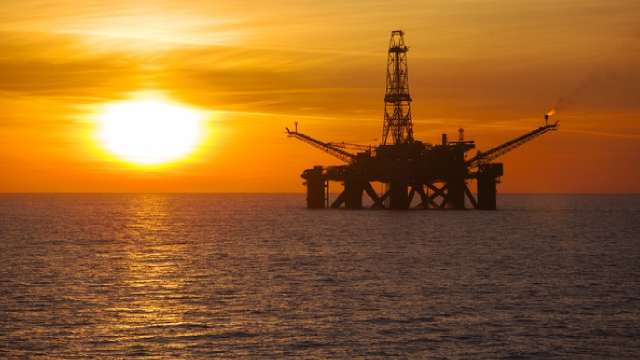
France's TotalEnergies Walks Away From U.S. Offshore Wind
WSJ· 2026-03-23 16:49
Core Viewpoint - The energy company has decided to cease the development of offshore wind-power projects in the U.S. due to the Trump administration's efforts to limit the sector [1] Group 1 - The company will no longer pursue any offshore wind-power projects [1] - The decision is influenced by the current political climate and regulatory changes under the Trump administration [1]
Ørsted sells 50% stake in Hornsea 3 offshore wind farm for $6.5bn
Yahoo Finance· 2025-11-04 10:55
Core Viewpoint - Ørsted has agreed to sell a 50% equity stake in its Hornsea 3 offshore wind farm to Apollo Global Management for approximately DKr39bn ($6.5bn), which aligns with Ørsted's capital management strategy and supports its partnership and divestment program [1][2][3]. Group 1: Transaction Details - The deal involves an initial payment of DKr20bn, which includes DKr10bn for the share purchase and DKr10bn for construction costs, with the transaction expected to close before the end of 2025, pending regulatory approvals [2][5]. - Apollo will fund the remaining construction costs as the project reaches specific milestones [1][2]. Group 2: Project Significance - Hornsea 3 will produce enough electricity to power over three million UK homes and will increase the total installed capacity of the Hornsea zone to more than 5GW once operational [3][4]. - Ørsted will continue to manage the construction of Hornsea 3 and provide long-term operations and maintenance services [4]. Group 3: Financing and Partnerships - Senior financing for the transaction will be led by Apollo-managed entities, with support from banks including BNP Paribas, ING Bank, Lloyds, and RBC Capital Markets [5]. - Co-investors La Caisse and PSP Investments are also involved in the transaction through equity and debt financing [5].

KEPCO to acquire majority stake in Ireland’s Simply Blue Energy
Yahoo Finance· 2025-11-03 09:24
Core Insights - Kansai Electric Power (KEPCO) has signed a share subscription agreement to acquire a majority interest in Simply Blue Energy OSW (SBE), marking its first offshore wind investment in Europe [1][2] - The investment is expected to enhance SBE's offshore wind portfolio and allow KEPCO to gain further expertise in the sector [3] - KEPCO aims to develop 5GW of new renewable energy capacity in Japan by 2040 as part of its zero-carbon vision for 2050 [4] Company Developments - KEPCO's acquisition of SBE will provide the necessary resources to scale operations and advance offshore wind initiatives [2] - The partnership is seen as a pivotal moment for Simply Blue Energy, enhancing its capabilities in the clean energy transition [2][3] - KEPCO has previously engaged in offshore wind projects, including a stake in the Windanker offshore wind farm project in Germany [5] Industry Impact - The collaboration aims to contribute to the advancement of offshore wind development and support the transition to a carbon-neutral society [4] - KEPCO's commitment to renewable energy initiatives aligns with global trends towards sustainable energy solutions [4]
海上风电如何突破“用海打架”困局?
Zhong Guo Neng Yuan Wang· 2025-04-28 06:47
Core Viewpoint - Offshore wind power is a crucial renewable energy source that can drive the prosperity of related industries, optimize energy structure in coastal areas, and help mitigate global warming, contributing to the "dual carbon" goals. However, the rapid development of offshore wind power has led to increasing conflicts over marine space, necessitating a shift from "extensive expansion" to "refined management" in marine space utilization [1][5]. Offshore Wind Power Development Status - Offshore wind power development began in the late 20th century, with Europe leading the way. Denmark's Vindeby project was the world's first offshore wind farm, established in 1991. China started developing offshore wind resources later but has seen rapid growth, with significant projects like the 1100MW Jiangsu Rudong project and the 2000MW Yangjiang Sanshan Island project [2][3]. Development Trends - The offshore wind power sector is maturing, characterized by larger project scales, deeper water development, and advanced technology. Projects are moving from hundreds of megawatts to gigawatt-scale capacities, and the focus is shifting towards deep-sea areas, which require advanced transmission technologies [3][4]. Main Conflicts in Marine Space Utilization - The main conflicts in offshore wind power utilization include: 1. **Spatial Layout Conflict**: Tension between nearshore resource scarcity and barriers to deep-sea development. New regulations encourage deep-water offshore wind projects to be located at least 30 kilometers offshore or in waters deeper than 30 meters [5]. 2. **Resource Utilization Conflict**: The need for multi-functional marine use versus traditional single-purpose offshore wind projects. New policies promote "wind power +" models to enhance resource efficiency [6]. 3. **Approval Efficiency Conflict**: Complicated multi-departmental approval processes lead to delays in project initiation. New regulations aim to streamline these processes [9]. 4. **Ecological Protection Conflict**: The balance between development intensity and ecological carrying capacity is critical, with new guidelines emphasizing ecological protection measures during project development [7]. Recommendations for Future Development - Suggestions for addressing the identified conflicts include: 1. **Spatial Optimization**: Encourage deep-sea development and integrate various planning regulations to avoid conflicts with other marine industries [8]. 2. **Model Innovation**: Establish cross-industry coordination mechanisms and promote comprehensive development models to improve resource utilization efficiency [8]. 3. **Approval Reform**: Implement a coordinated multi-departmental approval system and develop a digital platform to enhance administrative efficiency [9]. 4. **Ecological Compensation**: Explore market-based ecological compensation mechanisms and establish long-term monitoring systems for marine ecosystems [9].