
Single - Family Rental

Search documents
Invitation Homes (NYSE:INVH) 2026 Conference Transcript
2026-03-02 21:37
Summary of Invitation Homes Conference Call Company Overview - **Company**: Invitation Homes - **CEO**: Dallas Tanner - **Key Executives Present**: Scott Eisen (CIO), John Olson (CFO), Tim Lobner (COO) [1][2] Industry Insights - **Current Market Conditions**: The single-family rental market is experiencing healthy demand, particularly as the peak leasing season approaches. There is strong resident retention and solid traffic into the business [2][3]. - **Political Environment**: Ongoing political discussions are creating opportunities for long-term investors, despite temporary pressures on valuations. The company is engaging with policymakers to clarify the role of single-family rentals in the housing ecosystem [3][4][10]. - **Supply Dynamics**: There is some stagnation in home buying and selling activity, impacting new lease numbers. Increased supply is being managed, and the company is optimistic about its ability to navigate these challenges [3][23]. Financial Performance - **Demand Metrics**: The company reports strong demand indicators, including a consistent credit score around 700 and a 65%-70% application approval rate. Rent collection has improved, returning to pre-pandemic levels [21][22]. - **Occupancy Rates**: The company anticipates occupancy rates to trend higher as it enters the peak leasing season, with renewal rates expected to remain between 75% and 80% [29][32]. Growth Strategies - **Acquisition of ResiBuilt**: This acquisition is expected to enhance the company's growth engine, providing additional options for future growth and development [4][5][46]. - **Capital Allocation**: The company is focused on balancing share repurchases with investments in growth opportunities. It has executed $100 million in share buybacks recently and plans to continue this strategy [35][38]. Market Challenges - **Regulatory Uncertainty**: The current political climate has stymied capital flow into the housing market, leading to a cautious approach among investors and operators [7][8][39]. - **Supply and Demand Balance**: The company acknowledges that increased supply in certain markets is leading to longer decision-making times for potential renters [26][27]. Future Outlook - **Long-term Demand**: The company remains confident in the long-term demand for single-family rentals, particularly as demographic trends show a consistent influx of potential renters [24][25]. - **Technology Integration**: Invitation Homes is exploring opportunities to integrate AI and technology to enhance operational efficiency and customer experience [55][56]. Key Takeaways - The single-family rental market is positioned for growth despite current challenges, with strong demand metrics and strategic acquisitions. - The political landscape presents both challenges and opportunities, necessitating active engagement with policymakers. - The company is committed to maintaining a balanced approach to capital allocation, focusing on both growth and shareholder returns.

Biggest Single-Family Rental Landlords, Mom & Pop Landlords, and Trump’s Push to Block Big Guys from Buying More Homes
Wolfstreet· 2026-02-24 01:04
Core Viewpoint - The proposed legislation by Trump aims to prevent large landlords from acquiring additional existing single-family homes, which could help stabilize housing prices during a potential market downturn [1][22]. Group 1: Impact of Legislation - Only 6.3% of single-family rentals (SFRs) are owned by landlords with 100 or more properties, meaning the proposed ban would primarily affect a small segment of the market [2]. - Mom-and-pop landlords, who own 82.6% of SFRs, are the dominant force in the rental market and would not be impacted by the proposed legislation [2][12]. Group 2: Market Dynamics - The single-family rental market has seen a rise in institutional investors since 2011, driven by low borrowing rates that allowed them to purchase homes out of foreclosure [7][8]. - In 2022, major SFR landlords began selling properties at significant profits and shifted their focus to building new rental developments rather than purchasing existing homes [9][12]. Group 3: Build-to-Rent Trend - Build-to-rent developments have become increasingly popular, featuring common amenities and lower operational costs compared to older scattered-site homes [10]. - Major landlords are now acquiring entire build-to-rent developments, with significant investments made in this area since 2022 [15][19]. Group 4: Major Players in the Market - The largest single-family rental landlords include Progress Residential with nearly 100,000 SFRs, Invitation Homes with 97,036 SFRs, and Blackstone with 62,000 SFRs [11][15][17]. - These landlords have shifted strategies, moving away from scattered-site acquisitions to focus on building or purchasing new developments [12][16][19].



Invitation Homes(INVH) - 2025 Q4 - Earnings Call Transcript
2026-02-19 17:02
Financial Data and Key Metrics Changes - For the full year 2025, the company achieved same-store NOI growth of 2.3%, exceeding the midpoint of guidance, driven by 2.4% core revenue growth and 2.6% core expense growth [14] - In Q4, same-store NOI grew 0.7% year-over-year, supported by 1.7% growth in core revenues and a 4% increase in core expenses [14] - Core FFO for Q4 increased 1.3% year-over-year to $0.48 per share, while full-year Core FFO rose 1.7% to $1.91 per share [20] Business Line Data and Key Metrics Changes - The company reported a blended rent growth of 1.8% in Q4, with renewal rent growth at 4.2%, offsetting a 4.1% decline in new lease rates [15] - Same-store average occupancy for the year was 96.8%, at the high end of guidance [14] Market Data and Key Metrics Changes - The company noted that supply levels in core markets, particularly Florida, Texas, and Arizona, have been slightly elevated but are beginning to decrease [26] - The company is seeing healthy demand for single-family housing, with lead volume remaining strong [26] Company Strategy and Development Direction - The acquisition of ResiBuilt Homes enhances the company's in-house development capabilities, allowing for better control over cost, product quality, and delivery pace [12] - The company aims to deliver attractive same-store NOI growth, allocate capital thoughtfully, and maintain a strong balance sheet while expanding housing options [10][11] Management's Comments on Operating Environment and Future Outlook - Management emphasized the importance of housing affordability and the company's commitment to providing well-maintained homes for families [7] - The company expects to achieve $0.14-$0.20 of incremental AFFO per share growth over the next three years, with operational enhancements contributing to this growth [16] Other Important Information - The company ended the year with $1.7 billion in total liquidity and a net debt to adjusted EBITDA ratio of 5.3 times [18] - The Board of Directors authorized a $500 million share repurchase program, with $100 million already executed [19] Q&A Session Questions and Answers Question: What are the expectations for same-store blended rent growth? - Management indicated that the mid-2% blended rent growth aligns with guidance, noting that it is premature to draw conclusions based on early-year performance [24][25] Question: Can you comment on the Institutional Investor Ban and its implications? - Management expressed optimism about discussions with policymakers and emphasized the importance of clarity in regulations affecting the industry [29][30] Question: What factors are leading to a slower pipeline with homebuilders? - Management noted strong relationships with homebuilders but indicated a cautious approach to future transactions due to cost of capital considerations [73][75] Question: Can you provide more details on expense growth assumptions? - Management explained that property tax growth is expected to be consistent year-over-year, while insurance costs may see increases due to market conditions [41][44] Question: How will the ResiBuilt platform assist in growing the build-to-rent platform? - Management highlighted that ResiBuilt will serve as a general contractor and will continue to work with third parties while exploring opportunities for internal projects [78][79]
Invitation Homes(INVH) - 2025 Q4 - Earnings Call Transcript
2026-02-19 17:00
Financial Data and Key Metrics Changes - For the full year 2025, the company achieved same-store NOI growth of 2.3%, driven by 2.4% core revenue growth and 2.6% core expense growth [13] - In the fourth quarter, same-store NOI grew 0.7% year-over-year, supported by 1.7% growth in core revenues and a 4% increase in core expenses [13] - Core FFO for the fourth quarter increased 1.3% year-over-year to $0.48 per share, while Core FFO for the full year was up 1.7% to $1.91 per share [18] - AFFO for the fourth quarter was generally flat year-over-year at $0.41 per share, while AFFO for the full year grew by 1.8% to $1.63 per share [18] Business Line Data and Key Metrics Changes - The company reported a blended rent growth of 1.8% in the fourth quarter, with strong renewal rent growth of 4.2, offsetting a 4.1% decline in new lease rates [14] - Same-store average occupancy for the year was 96.8%, landing at the high end of the 2025 guidance [13] - The acquisition of ResiBuilt Homes is expected to enhance in-house development capabilities, with ResiBuilt delivering over 1,000 homes per year [11][12] Market Data and Key Metrics Changes - The company noted that residents in its market save nearly $12,000 a year on average by renting, which helps families manage budgets and access better neighborhoods [6] - The company is seeing healthy demand in its markets, particularly in Florida, Texas, and Arizona, despite some supply pressures [24][90] Company Strategy and Development Direction - The company aims to deliver attractive same-store NOI growth, allocate capital thoughtfully, and maintain a strong balance sheet [9][10] - The acquisition of ResiBuilt is part of a strategy to add more homes to the markets served and improve control over cost, product quality, and delivery pace [8][12] - The company is focused on modernizing its service model and enhancing the resident experience through operational efficiencies [16] Management's Comments on Operating Environment and Future Outlook - Management highlighted that housing affordability remains a significant challenge, with a commitment to providing well-maintained, high-quality homes [5] - The company expects to achieve $0.14-$0.20 of incremental AFFO per share growth over the next three years, with operational enhancements expected to provide roughly half of this growth [15] - Management expressed confidence in navigating the current regulatory environment and emphasized the importance of affordability and pathways to homeownership [30][31] Other Important Information - The company ended the year with $1.7 billion in total liquidity and maintained a conservative leverage profile [17] - The Board of Directors authorized a $500 million share repurchase program, with 3.6 million shares repurchased totaling approximately $100 million [18] Q&A Session Summary Question: Expectations for same-store blended rent growth - Management indicated that the mid-2% blended rent growth aligns with guidance, noting that it is premature to draw conclusions based on early-year performance [22][23] Question: Commentary on the Institutional Investor Ban - Management is engaged in discussions with policymakers and is focused on affordability and pathways to homeownership [27][30] Question: Expense growth assumptions - Management noted that property taxes and insurance costs are expected to rise, with overall controllable expense growth projected in the range of 1%-2% [39][42] Question: Share repurchase strategy - Management emphasized the importance of capital allocation and indicated that share repurchases would be considered when shares are trading at a significant discount to asset value [45][47] Question: Supply-demand balance in key markets - Management acknowledged a slight oversupply in certain markets but expressed confidence in long-term demand for rental products [88][90]
Invitation Homes Inc. Q4 2025 Earnings Call Summary
Yahoo Finance· 2026-02-19 13:30
Core Insights - The current demand for single-family rentals is attributed to a significant affordability gap, with renting being approximately $12,000 cheaper annually than owning in the company's markets [1] - The acquisition of ResiBuilt represents a strategic shift towards in-house development, aimed at enhancing control over cost, product quality, and delivery pace compared to third-party partnerships [1] - The fourth quarter performance exhibited a 'tale of two cities' in leasing, with a strong 4.2% renewal growth countered by a 4.1% decline in new lease rates due to seasonal supply pressures [1] - The operational focus has transitioned to 'controlling the controllables,' utilizing centralized functions and technology to enhance efficiencies amid a more competitive supply environment [1] - The company is leveraging its scale to provide unique resident benefits, such as a credit-building program with 160,000 enrollees, which is viewed as a key differentiator for resident retention [1] - Market dynamics in the Sunbelt, particularly in Florida, Texas, and Arizona, are currently affected by elevated supply levels, although management believes this peak delivery phase is starting to moderate [1]
Trump calls to ban Wall Street from buying homes, but industry insiders say the business model has already moved on
Business Insider· 2026-01-09 10:54
Core Viewpoint - Trump's proposal to ban large institutional investors from purchasing single-family homes has raised concerns and skepticism within the real estate investment industry, with some industry leaders not overly worried about its potential impact [1][2]. Group 1: Industry Reactions - Todd Henderson, head of real estate for the Americas at DWS, believes that Trump's proposal may eventually exclude institutional buyers who focus on newly built homes, which are crucial to the single-family rental (SFR) market [2]. - Shares of major SFR companies, including Invitation Homes and American Homes 4 Rent, fell by approximately 7% and 9% respectively following Trump's announcement [4]. - Blackstone Real Estate Income Trust, which holds about $11 billion in SFR investments, also experienced a decline in share prices, but analysts suggest that the market reaction may be excessive and could present a buying opportunity [5]. Group 2: Market Dynamics - The SFR industry has shifted its business model away from competing with individual homebuyers, focusing instead on acquiring homes directly from builders [3]. - Investors currently own a small percentage of the total single-family homes in the U.S., with those owning 10 or more units holding about 3.4% and larger investors with at least 1,000 units controlling just 0.73% of the inventory [8]. - The SFR industry emphasizes its role in supporting renters and facilitating pathways to homeownership, indicating a commitment to the housing market [9]. Group 3: Legislative Uncertainty - Trump's call for congressional action to formalize the SFR ban introduces complexity and uncertainty, with reports suggesting that proposed legislation may not progress quickly [6][7]. - Henderson anticipates that any new rules would likely exempt builders and buyers of new SFR homes, allowing major investors to continue selling existing portfolios without significant changes to the industry [7].
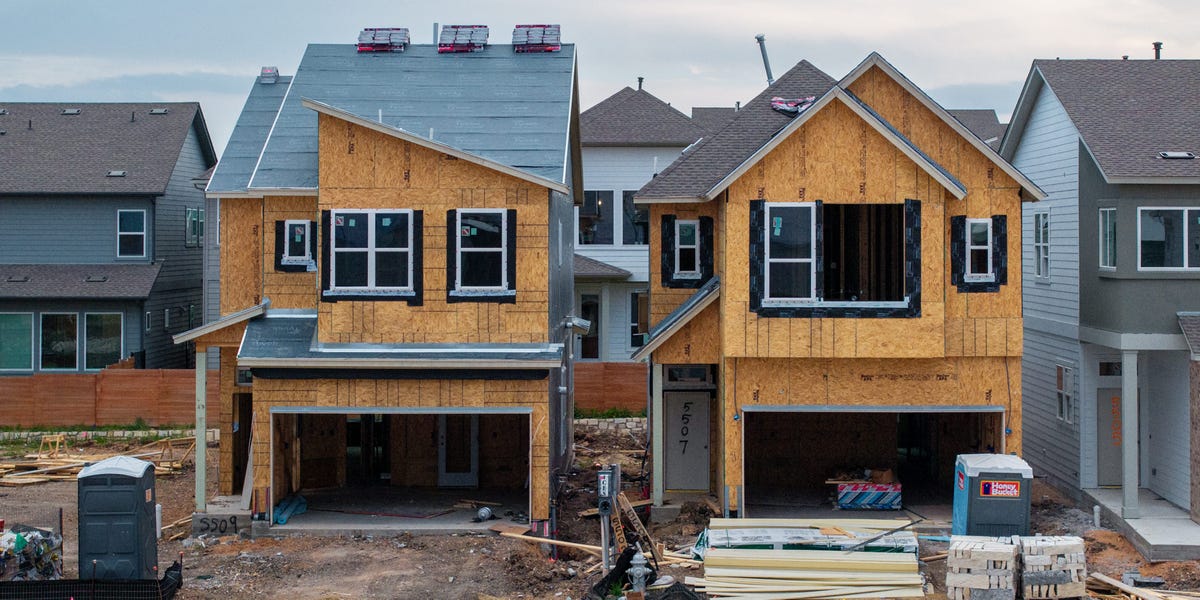
5 ways Trump’s proposed institutional single-family homebuying ban could affect the housing market
Fastcompany· 2026-01-08 19:15
Core Viewpoint - President Trump's announcement to ban large institutional investors from purchasing single-family homes has sparked discussions about its potential implications and feasibility [2] Group 1: Institutional Investor Impact - Large institutional investors, defined as those owning at least 100 single-family homes, currently hold about 1% of the total single-family housing stock in the U.S. [3] - Certain regional markets, particularly in the Sun Belt, have a higher concentration of institutional ownership, which could lead to significant effects if a ban is enacted [6][4] - The institutional presence in markets like Phoenix and Atlanta has established a robust ecosystem for single-family rentals, making it easier for these firms to operate [5] Group 2: Home Prices and Market Dynamics - A forced sell-off of institutional holdings could lead to increased downward pressure on home prices in specific neighborhoods already experiencing corrections [7] - Institutional buying has decreased significantly since the Pandemic Housing Boom, dropping from 3.1% of home purchases in Q2 2022 to around 1% currently [10][11] - If a ban were to be enacted, it would reduce housing demand that currently accounts for about 1% of total U.S. homebuying activity [9] Group 3: Homebuilding and Development - The proposed ban could negatively impact U.S. homebuilding, especially if it includes restrictions on build-to-rent developments, which currently represent about 8% of total U.S. single-family housing starts [14][12] - Institutional landlords have shifted focus from purchasing existing homes to building new single-family rentals, with a significant portion of acquisitions coming from in-house homebuilding units [16] - The current rate of new single-family home completions is about 1 million annually, which is still below historical averages, indicating a supply issue rather than a demand problem [17] Group 4: Tenant Implications - Most institutionally owned homes are currently occupied, and a forced sell-off could displace thousands of tenants who may not be able to afford to buy their homes [18] - A significant percentage of tenants in institutional rentals, approximately 85%, would not qualify to purchase the homes they currently occupy [19] - The assertion that institutional ownership is the primary cause of housing unaffordability is challenged, with arguments suggesting that policy failures are the root cause of the housing crisis [19]
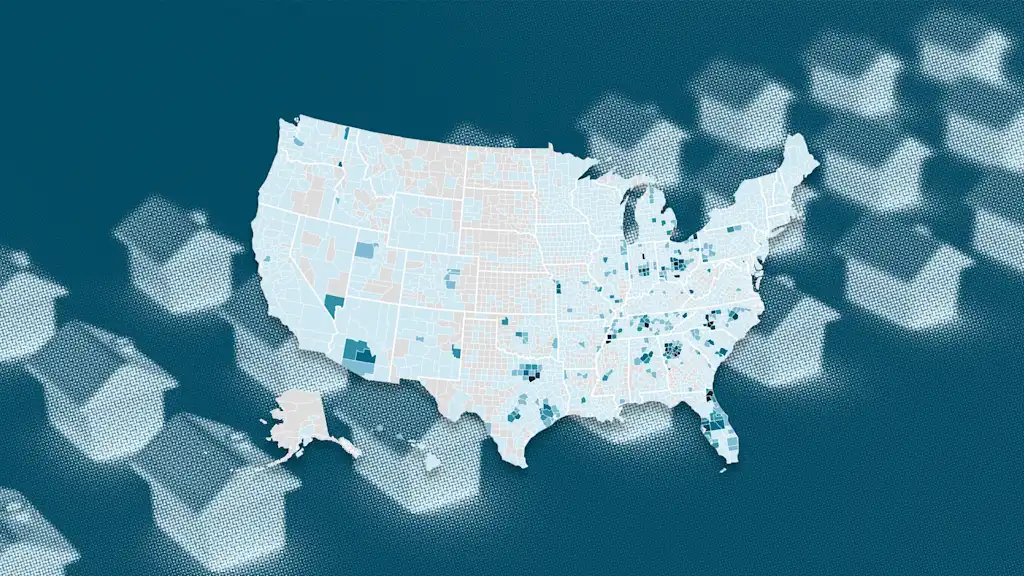
Trump Administration Plans to Prohibit Institutional Investors from Owning Single-Family Real Estate Properties
Crowdfund Insider· 2026-01-08 18:57
Core Viewpoint - The proposal by President Trump to restrict large institutional investors from purchasing single-family homes aims to improve housing affordability for individual Americans, particularly younger families [1][2]. Group 1: Proposal Details - The initiative seeks to bar major institutional investors, such as private equity firms, from acquiring additional single-family homes, which have been linked to rising property prices and rents [2][3]. - Trump plans to push for immediate action on this proposal and will discuss it further at the World Economic Forum in Davos [2]. Group 2: Market Reaction - The announcement led to a significant backlash in the stock market, with shares of firms involved in single-family rentals experiencing sharp declines [3]. - Blackstone's stock fell by as much as 9.3% intraday, closing down around 5-6%, while Invitation Homes saw a drop of up to 10%, ending approximately 6% lower [4]. Group 3: Industry Impact - Other related stocks, including American Homes 4 Rent and various homebuilders, also faced steep declines, indicating investor concerns over potential disruptions in the rental housing sector [5]. - Although institutional investors own only about 3-4% of single-family rental properties nationwide, their impact is more significant in certain markets, particularly in the Sun Belt [5]. Group 4: Expert Opinions - Some experts suggest that the overall impact on housing prices may be limited, as smaller investors might fill the gap left by institutional buyers, and broader issues like low housing supply remain unaddressed [6]. - The proposal aligns with criticisms from housing advocates and some bipartisan lawmakers who have previously suggested similar restrictions [6].

Trump’s Bold Plan to Ban Institutional Buyers From Single-Family Homes - Will It Actually Help? - Apollo Asset Management (NYSE:APO)
Benzinga· 2026-01-08 12:42
Core Viewpoint - President Trump's announcement to ban large institutional investors from purchasing single-family homes aims to address the housing affordability crisis in America, sparking significant market reactions and debates about the implications for homebuyers and the housing market [1][19][22]. Housing Affordability Crisis - The U.S. is experiencing its worst housing affordability crisis in decades, with median single-family home prices reaching approximately $410,000, which is five times the median household income [2]. - Monthly mortgage payments for a median-priced home have risen to $2,570, necessitating an annual income of at least $126,700 to qualify for conventional loans, leaving only 6 million out of 46 million renters able to meet this threshold [3]. Impact of Institutional Investors - Large institutional investors, including private equity firms and real estate investment trusts, have been accumulating residential properties, with companies like Blackstone managing over $1 trillion in assets [5]. - Institutional investors owned up to 300,000 single-family homes by 2015, a significant increase from virtually none in 2011, although they represent only about 1% of the national market [6][7]. Market Reactions - Following Trump's announcement, stocks of major single-family rental companies, such as Invitation Homes and Blackstone, saw declines of 7% and over 4% respectively, indicating immediate market concerns regarding their business models [8]. Economic Considerations - Research indicates that high concentrations of institutional investment can lead to increased rents and home prices in affected neighborhoods, particularly in lower and middle-income areas [9]. - Some economists argue that the housing affordability crisis is rooted in a fundamental shortage of housing supply, with millions of units needed, and that banning institutional investors could reduce overall investment in the housing market [10][15]. Political Context - Trump's proposal aligns with Republican strategies ahead of midterm elections, addressing voter concerns about housing affordability, with 70% of Americans feeling that living costs are unaffordable [17]. - The proposal has the potential for bipartisan support, as Democrats have also suggested measures to limit corporate ownership of housing [18]. Future Implications - The specifics of how the ban would be implemented remain unclear, including whether it would apply retroactively and how "large institutional investors" would be defined [12]. - The ongoing discussions about housing affordability are expected to continue influencing economic and political dialogues through 2026 and beyond, as homeownership remains a critical aspect of the American Dream [22].


Invitation Homes (NYSE:INVH) 2025 Earnings Call Presentation
2025-11-17 18:00
Strategic Themes & Growth - The company is committed to innovation, disciplined external growth, and exploring long-term opportunities to unlock value[14] - The company has experienced three distinct phases of growth since its founding and is in the early days of its third phase[16, 18] - The company has delivered superior NOI growth since its 2017 IPO, with cumulative same-store NOI growth of +60.7% compared to +36.7% for AMH, +19.4% for National Multifamily, and +50.0% for Invitation Homes[23] Customer Experience & Satisfaction - The company has a cumulative all-time Google/Yelp rating of 4.09/5.0 and an average of 4.74/5.0 stars on post-maintenance surveys[31] - The company's YTD same-store average resident tenure is ~40 months, with a 97.0% average occupancy rate and >78% average renewal rate[31] Financial Performance & Outlook - The company anticipates FY 2025 same-store property tax expense growth of ≤5.0%, the lowest rate since 2021[233] - The company expects centralization to achieve $0.01 to $0.02 in incremental AFFO growth by 2028[128] - The company projects $0.14 to $0.20 of incremental AFFO per share growth by 2028, on top of baseline growth[236] Portfolio & External Growth - The company expects to sell ~1,400 homes for $500 million at mid-4% caps in FY 2025[174] - The company's JV & 3PM platform is expected to generate ~$85 million in FY 2025E revenue[209]