《地方史的兴起》

Search documents
胡箫白读《江南以南》|时间、空间与人:地方历史的写法
Xin Lang Cai Jing· 2026-01-14 04:07
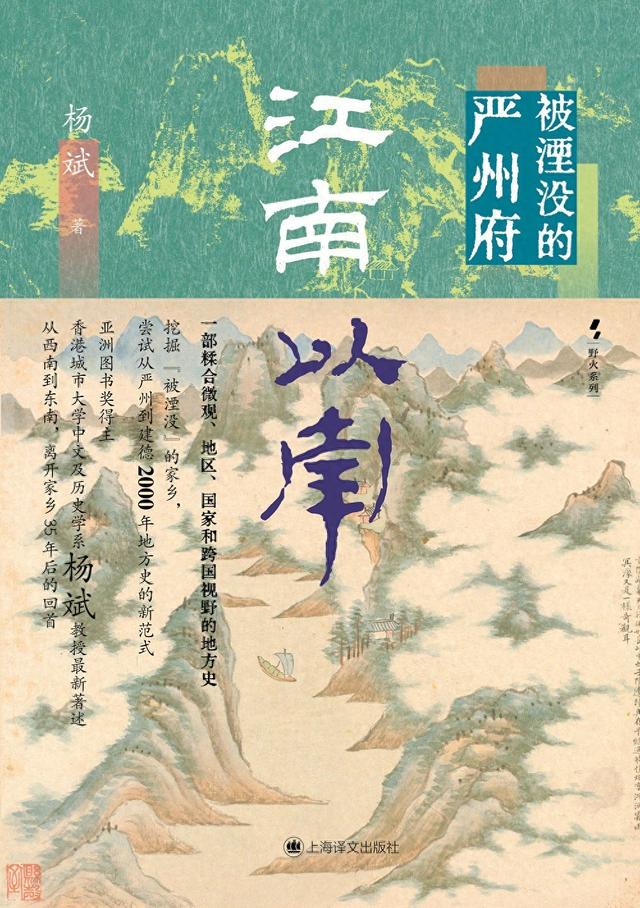
Core Viewpoint - "江南以南:被湮没的严州府" is a personal narrative that explores the author's connection to his hometown, reflecting on the changes over time and the challenges of returning to a place that has transformed significantly [2][3][4]. Summary by Sections Writing Style and Structure - The book is described as challenging yet vibrant, filled with personal touches and a mix of historical details, making it a unique reading experience [4][6]. - The author employs a non-traditional approach to local history, focusing on selected topics that resonate with him rather than attempting to cover every aspect comprehensively [7][9]. Historical Context and Themes - The narrative emphasizes the distinct historical rhythms of local areas, suggesting that local histories do not always align with the broader national narratives [9][11]. - The author addresses the often-ignored modern history, using personal family history to illustrate broader societal changes over decades [11][12]. - The book confronts the theme of decline, acknowledging the less favorable aspects of local history, which adds depth to the narrative [13]. Spatial Considerations - The work challenges the homogenization of history by highlighting the unique characteristics of local areas, particularly the complexities of "江南" [14][15]. - It explores the interactions between different regions, emphasizing the importance of local economies and their connections to larger networks [15][20]. Contributions to Local History Writing - The book advocates for a more nuanced understanding of local history, encouraging writers to explore the unique roles and significance of local areas without being constrained by traditional narratives [21][22]. - It suggests that local history writing should embrace diversity and complexity, reflecting the multifaceted nature of local identities and experiences [23].