
《敦煌》

Search documents
电影《大决战》美术指导寇鸿烈逝世,享年95岁
Xin Lang Cai Jing· 2026-01-11 04:50
Core Viewpoint - The article reports the passing of Kou Honglie, a prominent figure in Chinese film art design, who died on January 7, 2026, at the age of 95 due to illness [1]. Group 1: Personal Background - Kou Honglie was born in November 1931 in Yanggu County, Shandong Province [3]. - He joined the military in August 1949 and worked as an artist in the First Field Army's combat drama troupe [3]. - He became a member of the Communist Party of China in April 1956 [3]. Group 2: Career Achievements - From 1951, Kou held various positions in military cultural departments and joined the Liberation Army Film Studio in April 1952 as an art team member [3]. - He served as an art designer and chief art designer at the Bayi Film Studio from 1956 to 1993, becoming a leading figure in the Chinese film art design industry [3][4]. - Kou's notable works include the film "Nongnu," which won the Golden Eagle Award at an international film festival, and he was the art supervisor for the Sino-Japanese co-production "Dunhuang," which received multiple awards [4]. Group 3: Awards and Recognition - Kou received numerous accolades for his contributions to film art, including the National Excellent Film Award and the Best Film Award at the Hong Kong Film Awards for "Guixin Siran" [4]. - He was awarded the Artistic Contribution Award by the General Political Department for his outstanding achievements in art creation [4]. - After retirement in May 1993, he continued to contribute to the development of film art culture and was recognized with various honors, including the Victory Merit Honor Medal [4].

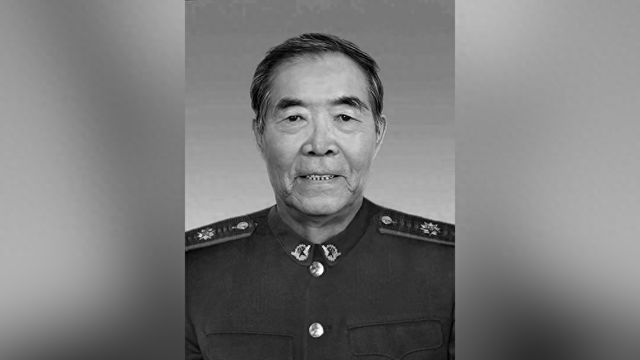
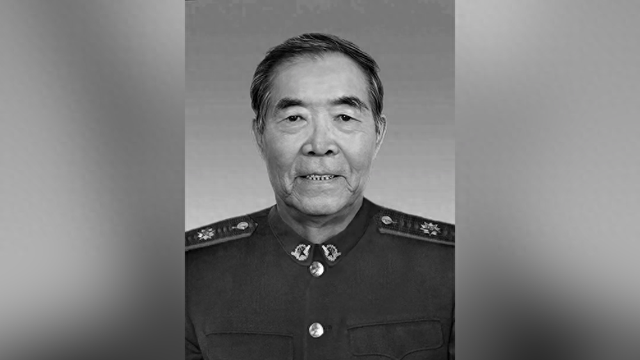
电影《大决战》美术指导寇鸿烈逝世,曾担任合拍片《敦煌》中方美术监督
Xin Lang Cai Jing· 2026-01-11 03:46
Core Viewpoint - The article reports the passing of Kou Honglie, a prominent figure in Chinese film art design, who died on January 7, 2026, at the age of 95 due to illness [1]. Group 1: Personal Background - Kou Honglie was born in November 1931 in Yanggu County, Shandong Province [3]. - He joined the military in August 1949 and worked as an artist in the First Field Army's combat drama troupe [3]. - He became a member of the Communist Party of China in April 1956 [3]. Group 2: Career Achievements - From 1951, Kou held various positions in military cultural departments and joined the Liberation Army Film Studio in April 1952 as an art team member [3]. - He served as a chief art designer at the August First Film Studio from 1956 to 1993, becoming a leading figure in the Chinese film art design industry [3]. - Kou's notable works include the film "Nongnu," which won the Golden Eagle Award at an international film festival [4]. Group 3: Awards and Recognition - In 1985, he was the Chinese art supervisor for the Sino-Japanese co-production "Dunhuang," which received multiple awards including the Excellent Film Award and Best Art Award from the Japan Art Academy [4]. - He received various accolades for his contributions to films such as "Guixin Siran," "Huaishu Zhuang," and "Dajue Zhan," which won several prestigious awards [4]. - Kou was recognized with the Artistic Contribution Award by the General Political Department for his outstanding achievements in art creation [4].
一年年在读书中自新
Xin Lang Cai Jing· 2026-01-03 17:11
Core Viewpoint - The articles reflect on the transformative power of reading and the insights gained from various authors, emphasizing the importance of literature in understanding life and culture. Group 1: Reflections on Reading - The author has consciously shifted focus to foreign writers in 2025, reading nearly thirty works from modern Japanese authors, which has deepened their understanding of life and aging [1] - Reading has provided nourishment for the heart, leading to a broader perspective on life and a sense of tranquility [2] Group 2: Notable Authors and Works - Paul Theroux's book "On the Ground in China" offers a unique perspective on China in 1986, capturing the vibrancy and transformation of the country during that time [3] - The narrative of a foreigner traveling through China provides a fresh lens to view local culture, contrasting with other works that express a deep love for the homeland [4] - The works of authors like Yasushi Inoue and the 2025 Nobel laureate Laszlo offer valuable insights into Chinese culture through the eyes of outsiders [5][6] Group 3: Personal Growth Through Literature - The act of reading and engaging with literature is portrayed as a journey of self-discovery and wisdom accumulation, highlighting the significance of personal growth through literary exploration [7]