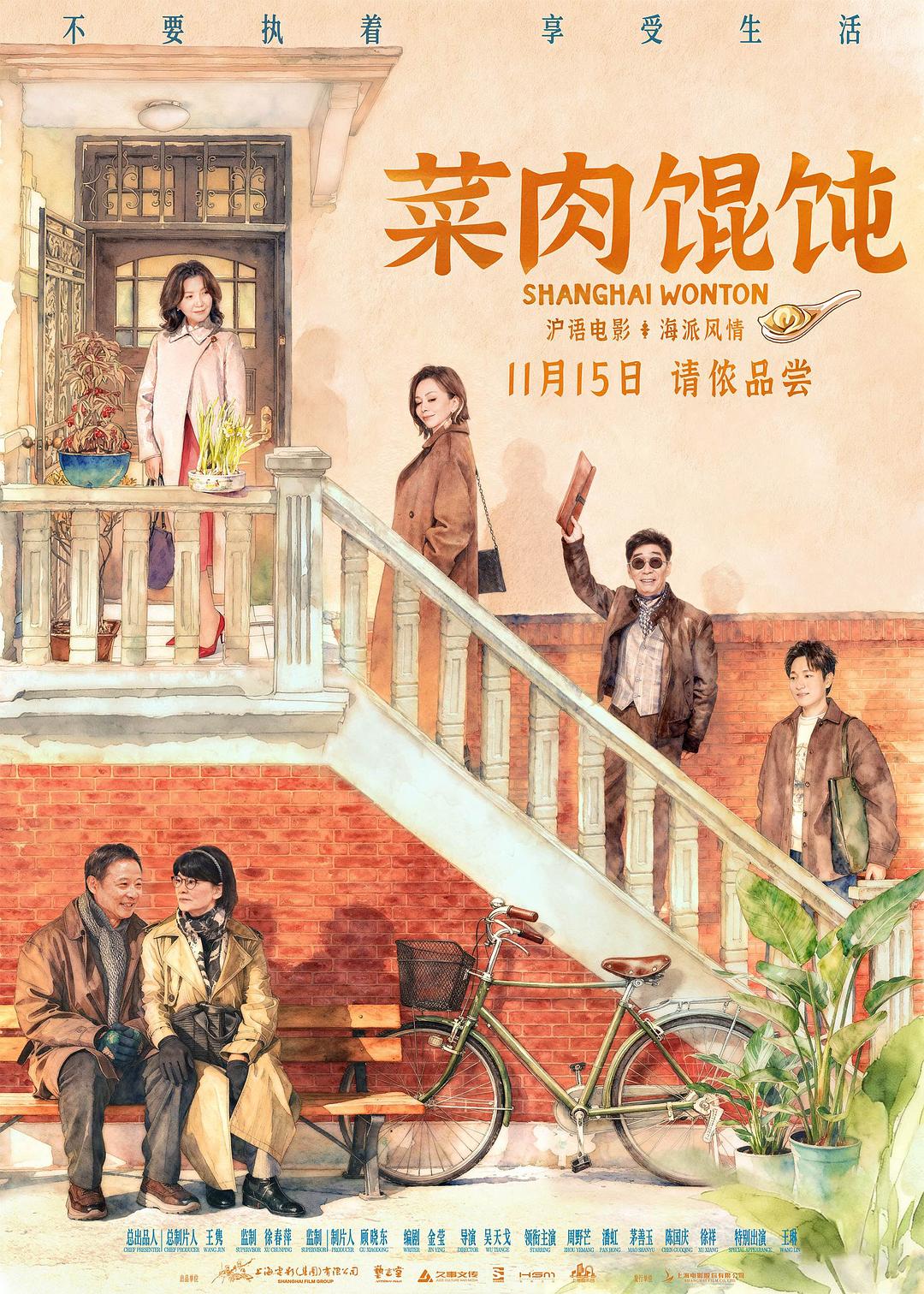
《菜肉馄饨》电影

Search documents
《菜肉馄饨》制片人:为什么不能有更多票房五千万的电影
Di Yi Cai Jing· 2025-11-24 06:58
Core Viewpoint - The film "Cai Rou Wonton" has resonated strongly with audiences, particularly among older viewers, by addressing themes of nostalgia, family, and emotional connections through the lens of everyday life in Shanghai [3][7][11]. Film Reception and Audience Engagement - The film has achieved over 70% attendance in theaters shortly after its release, indicating a strong interest from a diverse audience, including both younger and older viewers [1][3]. - The film's success is attributed to its relatable content and the emotional depth it brings to the portrayal of elderly characters, which has sparked conversations among families [11][12]. Production Insights - The film was initially met with skepticism due to its focus on older protagonists and local dialect, but the producer remained confident in its potential to connect with audiences [3][6]. - The narrative centers around the character Lao Wang, who navigates his emotional landscape after the loss of his wife, reflecting the complexities of familial relationships and societal changes [4][6]. Market Trends and Audience Demographics - The aging population in Shanghai is significant, with 5.7762 million residents aged 60 and above, representing 37.6% of the population, highlighting a growing market for content that resonates with older viewers [7]. - The film industry has been criticized for focusing primarily on younger audiences, which has led to a disconnect with older viewers who have different content preferences [6][7]. Cultural Significance - "Cai Rou Wonton" serves as a cultural touchstone, evoking memories and emotions tied to traditional Shanghai cuisine and family gatherings, thus reinforcing the importance of cultural narratives in film [4][10]. - The film's promotional activities have included community engagement, such as hosting events in local cultural spaces, which has helped to foster a sense of connection among viewers [14][15]. Future Directions in Filmmaking - The producer envisions a shift towards more diverse and localized storytelling in the film industry, suggesting that films should cater to specific demographics and cultural contexts rather than aiming solely for blockbuster status [16][17]. - The success of "Cai Rou Wonton" may pave the way for more films that explore the lives and stories of ordinary people, particularly in urban settings, thereby enriching the cinematic landscape [16][17].

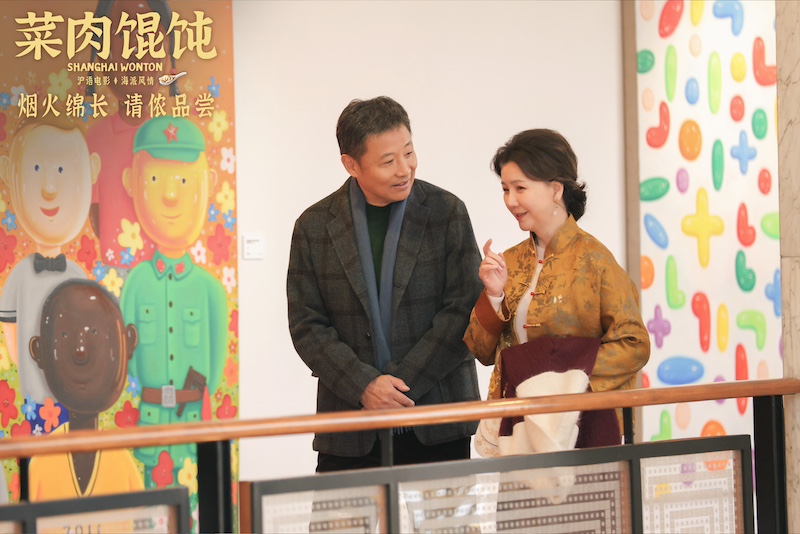
又一部沪语电影火了,藏在一碗菜肉馄饨里的市井温情
Di Yi Cai Jing· 2025-11-11 11:01
Core Viewpoint - The film "Dumpling with Meat" uniquely focuses on the emotional world of the elderly, depicting the collision and reconciliation between two generations in Shanghai's urban life [1][4]. Box Office Performance - The film achieved over 5.18 million yuan in box office revenue (including pre-sales) with a screening rate of less than 0.1% during its preview days on November 8 and 9, achieving an attendance rate of over 56% [3][4]. Audience Demographics - The film's target audience is notably older, with over 50% of viewers aged 40 and above, contrasting with other films that typically attract a younger demographic [4]. Film Production and Themes - Produced by Shanghai Film Group, the film employs a segmented release strategy, set to officially premiere in Shanghai, Jiangsu, and Zhejiang on November 15, with plans for a nationwide rollout [4]. - The film is based on a novel by Jin Ying, focusing on the life of a retired engineer, Old Wang, who seeks to fulfill his late wife's wish by finding a partner for his son [4][5]. Cast and Character Insights - The film features well-known Shanghai actors, including Zhou Ye-mang and Pan Hong, who bring humor and warmth through their performances, enhancing the viewing experience [4][5]. - Zhou Ye-mang, portraying Old Wang, emphasizes the character's journey of learning and adapting to new life experiences, highlighting the importance of maintaining vitality in old age [5][7]. Emotional Resonance - The film is described as not emphasizing conflict but rather weaving emotional narratives that resonate with viewers, reflecting the essence of Shanghai life [7][8]. - Pan Hong's character, Su Juan, offers a poignant portrayal of enduring love, suggesting that life is a reflection of one's attitude [7][8]. Cultural Significance - The film connects with the audience's memories of Shanghai's past, evoking nostalgia for simpler times and the warmth of family life [10][11]. - It also engages with local businesses, creating a multi-dimensional experience for viewers, allowing them to explore the city while enjoying the film [11].