《虚斋名画录》

Search documents
虚斋庋藏与松江画派的现代承传
Xin Lang Cai Jing· 2026-01-25 01:46
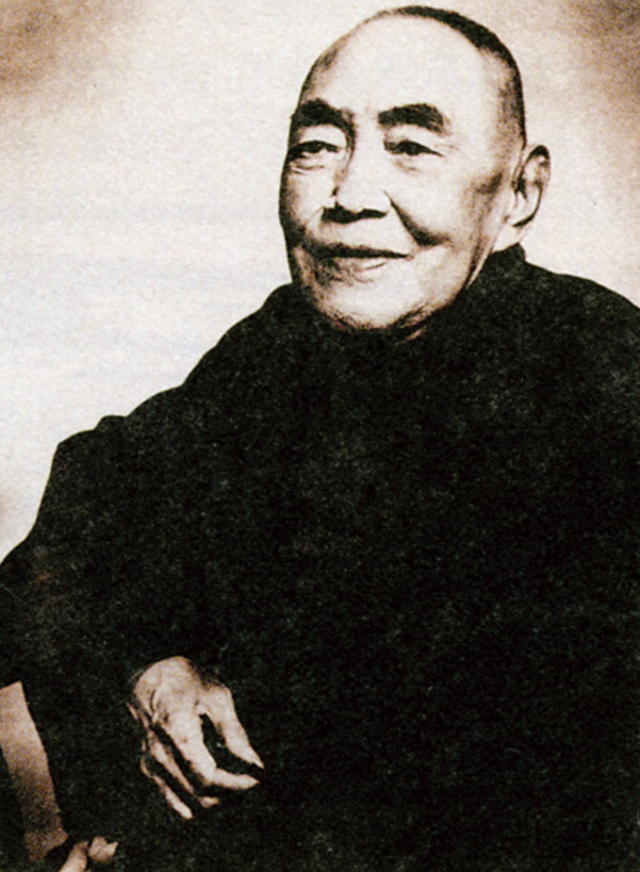
Core Viewpoint - The article discusses the deep cultural connection between the important modern collector Pang Yuanji's "Xu Zhai" and the Songjiang (Hua Ting) painting school of the Ming Dynasty, emphasizing how Pang's collection practices reflect a conscious re-evaluation and continuation of local classical art traditions in the context of modernization and Western influence [1][3]. Group 1: Pang Yuanji and Xu Zhai - Pang Yuanji, a prominent collector during the Republican period, established "Xu Zhai" as a benchmark in modern collection history through his extensive collection of ancient paintings and calligraphy [3]. - His collection activities were not merely personal preferences but represented a systematic approach to preserving and promoting the artistic heritage of the Songjiang painting school [3][6]. - Pang's collection was characterized by a focus on quality and academic rigor, as he engaged in thorough research and documentation of his artworks, establishing a scholarly foundation for his collection [6][18]. Group 2: Songjiang Painting School - The Songjiang painting school, significant in the history of Chinese painting, emerged in the late Ming Dynasty and was influenced by cultural and economic conditions in the region [8][9]. - Dong Qichang, a key figure in the Songjiang painting school, played a crucial role in shaping its theoretical framework and artistic direction, emphasizing the integration of Zen philosophy with painting [9][11]. - The Songjiang painting school is recognized as a loose community of artists centered around Dong Qichang, contributing to a rich artistic environment that emphasized philosophical reflection and historical consciousness [9][11]. Group 3: Cultural Continuity and Modernization - Pang Yuanji's collection practices served as a bridge for the continuity of the Songjiang painting school's artistic legacy, allowing for a modern reinterpretation of traditional values [19][25]. - His collection not only preserved the artistic heritage but also facilitated its dissemination through exhibitions and publications, transforming private collections into public cultural resources [21][25]. - The collaboration with contemporary artists and cultural figures helped to modernize the representation of the Songjiang painting school, making it relevant in the context of international art dialogue [21][25]. Group 4: Impact on Contemporary Art and Culture - The experience of Xu Zhai provides valuable insights for contemporary cultural revitalization, suggesting pathways for integrating historical art practices with modern artistic expressions [28]. - Proposed exhibitions and academic discussions could further explore the legacy of the Songjiang painting school and its relevance in today's cultural landscape, fostering a dialogue between past and present [28].