《龙之家族》

Search documents
HBO 内容总监 Casey Bloys 首度回应《龙之家族》电视剧主创决裂风波
Xin Lang Cai Jing· 2026-02-03 04:25
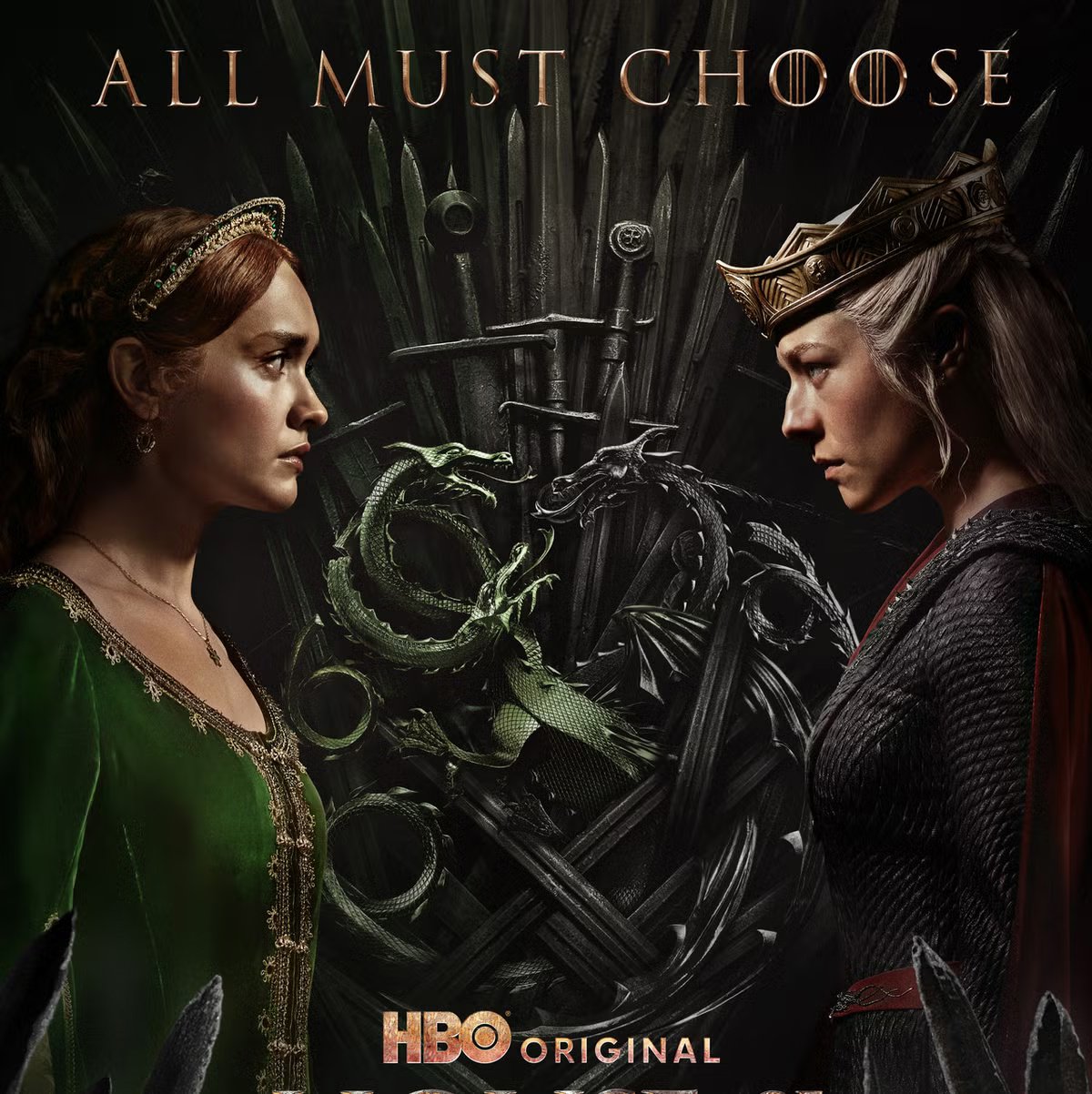
Group 1 - HBO's Chief Content Officer, Casey Bloys, officially addressed the creative conflict between George R.R. Martin and Ryan Condal regarding "House of the Dragon," describing it as a "dysfunctional family dynamic" and expressing support for Condal despite the public dispute [1][3] - The conflict originated during the production of the second season, where Martin felt that Condal had stopped listening to his feedback, leading to increased frustration and public criticism from Martin [3][4] - HBO intervened administratively, instructing Martin to cease direct communication with Condal regarding script changes, instead requiring all notes to be submitted through the network [3][4] Group 2 - Despite the ongoing issues with "House of the Dragon," Martin's overall collaboration agreement with HBO remains intact, and he is now focusing on the adaptation of another spin-off, "A Knight of the Seven Kingdoms" [4]

827亿美元的加冕:奈飞并购华纳背后的好莱坞权力重构
Xin Lang Cai Jing· 2025-12-08 03:20
Core Viewpoint - The announcement of the $82.7 billion merger between Netflix and Warner Bros. Discovery marks a significant shift in the entertainment industry, representing a challenge to traditional Hollywood structures and the beginning of a new era in the streaming age [1][8]. Group 1: Merger Details - The merger involves a purchase price of $27.75 per share, with a total enterprise value of $82.7 billion, highlighting the strategic calculations behind Netflix's acquisition [3][10]. - Warner Bros. will undergo a "hard fork," separating its struggling linear TV assets like CNN and TNT Sports into an independent entity called "Discovery Global," while Netflix will acquire Warner's extensive IP library, including franchises like Harry Potter and DC Universe [3][10]. - This "good bank/bad bank" strategy allows Netflix to eliminate traditional media liabilities and focus on future-oriented content engines [3][10]. Group 2: Industry Implications - The merger reflects a shift in the media landscape, where traditional cable television, once a cash cow, is now seen as a sinking ship due to the trend of cord-cutting [3][10]. - Netflix's co-CEO Ted Sarandos aims to acquire a core asset capable of producing blockbuster content, positioning the company to avoid marginalization in a competitive landscape dominated by Disney and Amazon [3][10]. Group 3: Content Strategy - The integration of Netflix and HBO's content strategies signifies a merging of algorithm-driven mass content with HBO's curation of high-quality programming, creating a comprehensive "super bundle" for users [4][11]. - Netflix's global subscriber base has surpassed 300 million, while Warner Bros. Discovery's streaming users are around 130 million, creating a combined market presence that poses a significant challenge to competitors like Disney+ and Amazon Prime Video [6][13]. Group 4: Regulatory Challenges - The merger may face regulatory scrutiny due to potential vertical monopolies, despite the separation of CNN to mitigate news monopoly concerns [7][14]. - The high breakup fee of $5.8 billion indicates both companies' awareness of possible regulatory hurdles, with the merger potentially leading to an 18-month approval process [7][14]. - Regardless of the regulatory outcome, the merger signifies the end of an era dominated by traditional Hollywood studios, paving the way for a new order led by tech giants [7][14].